Uwb Technology Sparks Wireless Excellence
Have you ever felt like your device knows exactly where you are? Ultra Wideband (UWB) makes that possible. It measures distance with such striking accuracy that it can even tell when you’re just inches away. Imagine your phone acting like a good friend who instantly notices when you’re nearby. Originally used in aviation, UWB has now found its way into everyday gadgets, bringing a level of precision that older wireless tools simply can’t match. This clever technology isn’t just smart, it’s changing how our devices connect and communicate with each other.
uwb technology Sparks Wireless Excellence
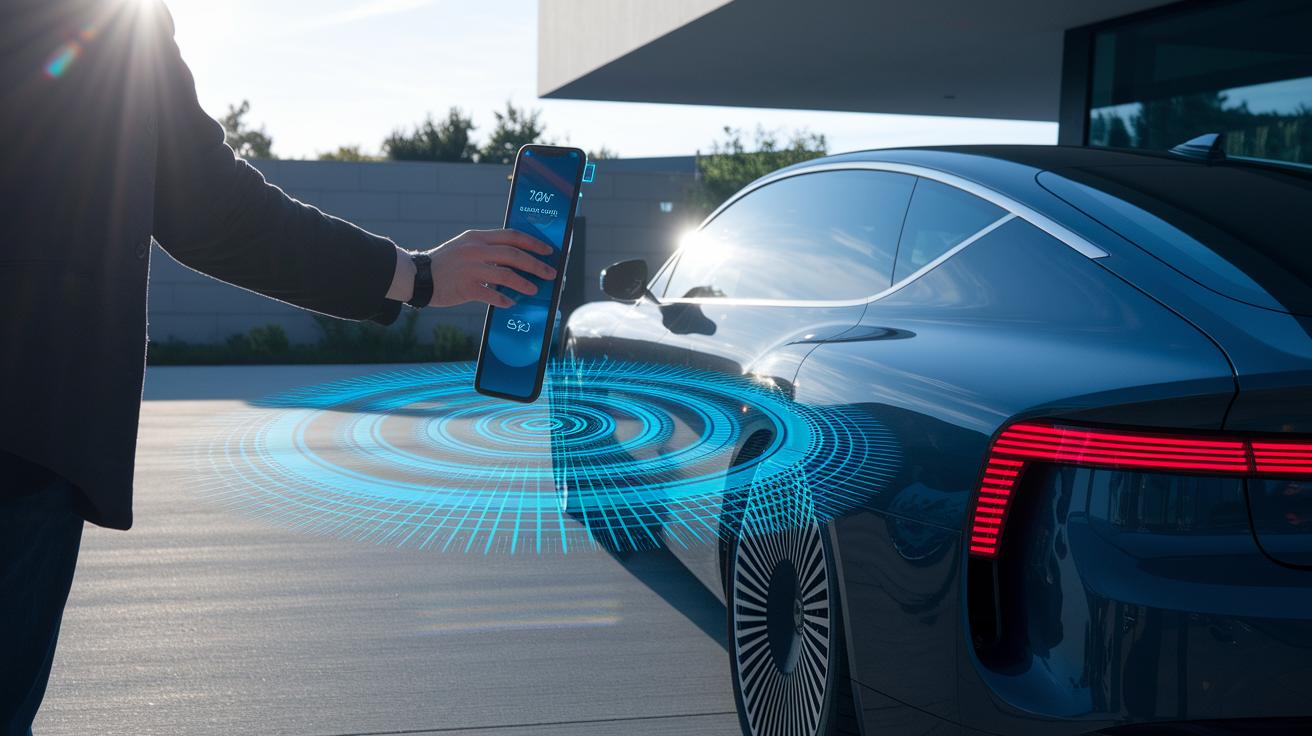
Ultra Wideband, or UWB, lets devices talk to each other over short distances much like Bluetooth or Wi-Fi, but it's way more precise, measuring down to just inches. It uses a wide range of frequencies in the GHz spectrum, so devices can capture both data and the exact space around them with impressive timing. Imagine standing near your car and having the door unlock automatically because UWB knows you're just inches away.
UWB’s journey started back in 1998 when the FCC began setting rules for it. Originally, it was used to check distances for airplane landing gear and drones. Over time, it has grown and now powers many modern gadgets. Using time-of-flight signals and angle-of-arrival methods, UWB can pinpoint where devices are with outstanding accuracy.
- Uses time-of-flight to measure distances with pinpoint accuracy.
- Uses angle-of-arrival to capture exact directional data.
- Works over a wide GHz range for detailed spatial info.
- Remains reliable whether there’s a clear view or some obstacles.
- Comes with a long track record, from aerospace tools to smart consumer devices.
UWB offers fast data transfers and tracks locations well, even in cluttered spaces. It can tell if an object is moving closer, moving away, or staying put, making it a great fit for real-world needs. With all this precision and a strong history, UWB is reshaping what we can expect from wireless technology.
Core Technical Principles of UWB Technology

Ultra wideband uses clever tricks like time-of-flight (measuring how long a signal takes to travel) and angle-of-arrival (figuring out the signal’s coming direction) to nail down positions within a few centimeters. Imagine playing a super-fast game of tag where every millisecond counts. Actually, before smartphones could unlock simply by sensing a nearby device, engineers were busy testing UWB to detect objects with wow-worthy precision.
Advanced Applications and Emerging Trends
Factories and warehouses are tapping into UWB for real-time tracking on busy floors and sprawling storage areas. Smart sensors even send alerts if a key tool moves unexpectedly – it’s like having a guardian watching over your equipment. Tests, both indoors and outdoors, show that UWB works reliably for many tens of meters, making it a flexible choice for many environments. The secret? Spreading signals across several GHz sub-bands. This smart approach allows rapid bursts of data while keeping interference low.
UWB vs Bluetooth and Wi-Fi: Wireless Connectivity Comparison

UWB stands out when you need really precise measurements. It can detect distances down to less than 10 centimeters, while Bluetooth and Wi-Fi are off by several meters. Imagine it like this: finding a specific page in a thick novel versus searching an entire library for the right book.
UWB is quick on its feet too. It delivers fast responses even when there’s no clear line of sight, all while keeping power use low during brief data bursts.
It also uses a pulse-based spread spectrum method that makes it tougher for unwanted listeners to tap in and helps avoid signal mix-ups in busy areas. So, even when there’s lots of interference or background noise, UWB keeps performing at a higher level compared to older networks. Its top-notch precision, speedy reactions, and built-in security make it a clear favorite in today’s wireless world.
Integrating UWB Technology in Consumer Devices
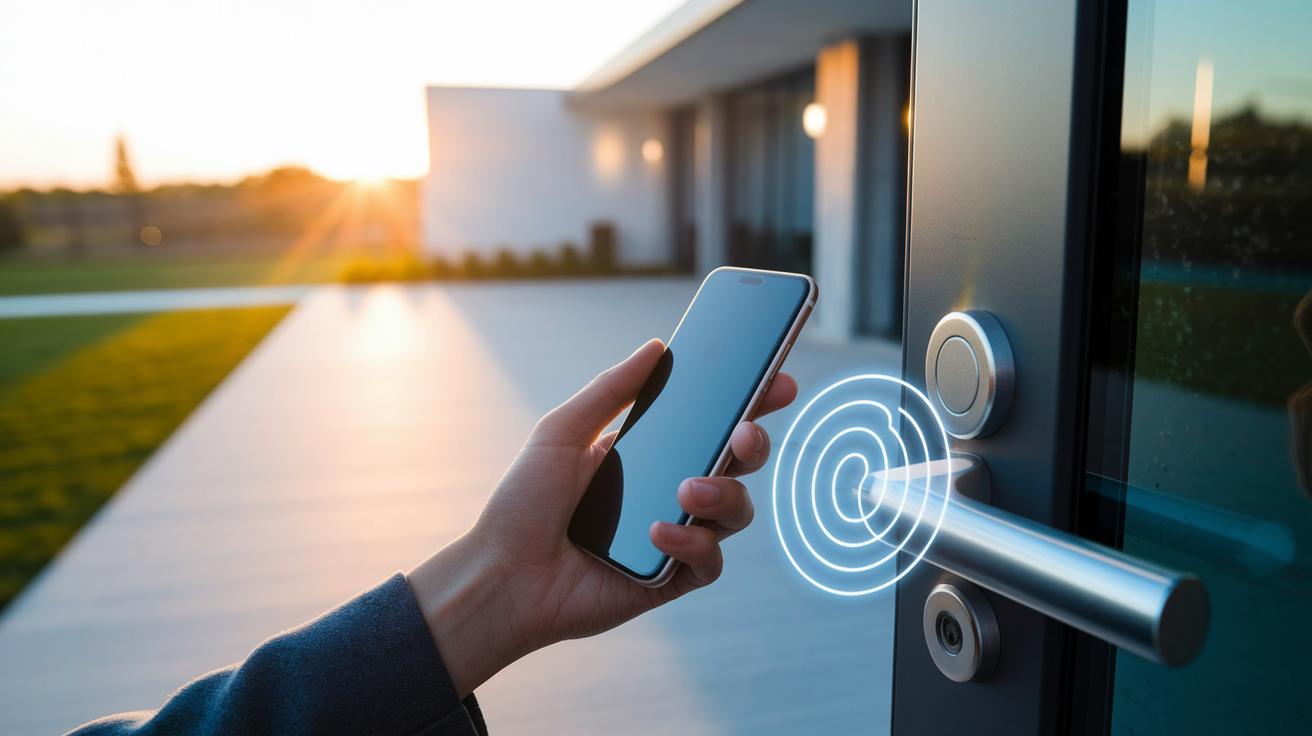
Smartphones are getting a clever upgrade with UWB technology. Newer models, like the iPhone 11 and some Android phones, now use UWB for secure digital key access and smooth file sharing. Imagine this: you tap your phone near your car, and it sends a quick, safe signal saying, "I'm right here," unlocking your car seamlessly. This next-generation tech makes digital locks faster and data transfers almost instant, cutting down the lag you might have experienced before. It brings a new level of accuracy so your phone always knows exactly where it stands next to your car or any connected accessory.
The magic of UWB isn’t limited to smartphones. Wearable gadgets and smart home devices are also catching on. With UWB, trackers and sensors can pair devices more accurately, meaning your smartwatch syncs with your phone as you move around the house. Consider UWB headphones: they stream audio with ultra-low delay, delivering crisp sound while pairing quickly on the go. In short, UWB technology is reshaping how we interact with our devices, making everyday tech tasks simpler and much more intuitive.
Industrial and Enterprise Applications of UWB Technology
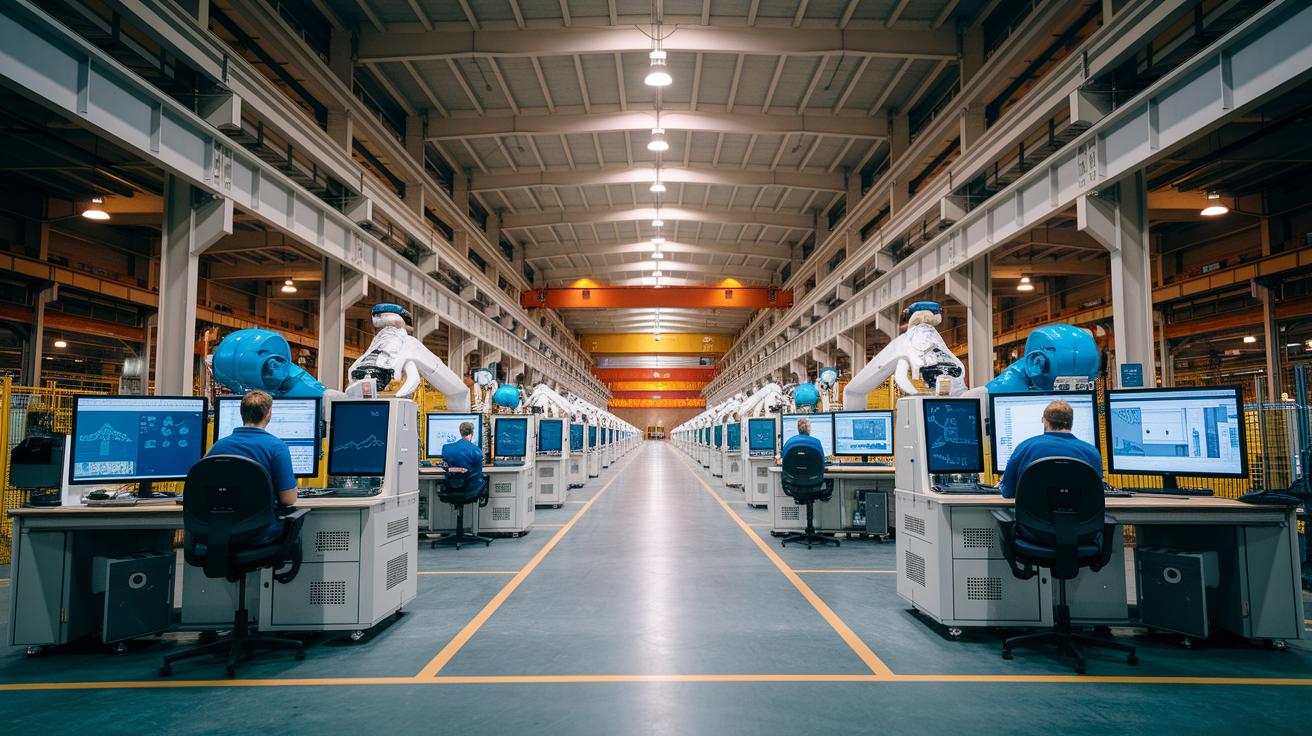
Manufacturing floors and warehouses still count on UWB to track assets without human help and to connect smart devices. In many factories, this tech sends alerts when something goes off track during the assembly process. Imagine a factory where sensors instantly tell a manager if a tool isn’t in its right place. UWB also helps with real-time location tracking using industry 4.0 tools, which cuts down on downtime and keeps everything running smoothly.
Automotive and yard management show off UWB's special skills. It makes tasks like leveling docks precisely, controlling vehicle access, and tracking movements super accurate, even in busy areas. Picture a delivery truck arriving and a smart gate opening right on cue because the system picked up its approach. These smart uses keep big operations working safely and quickly, setting apart everyday manufacturing from more specialized automotive needs.
Case Studies and Innovations in UWB Technology

The FiRa Consortium leads the way in setting UWB standards. They offer a clear certification system complete with FAQs, detailed white papers, and test-lab programs that help devices work together smoothly. Imagine a system where every gadget is thoroughly tested to ensure it performs reliably no matter where it's used. This careful process has sparked many interesting case studies on UWB's potential.
In one real-life example, a metal subassembly plant put UWB-based real-time location systems into action and saw a 20% boost in throughput. Picture a busy factory floor where sensors track tools and equipment with pinpoint precision. It’s like switching from a manual check to an automated system that speeds things up, UWB tracking makes the whole operation more efficient.
Maker projects have also embraced UWB, merging the technology with popular platforms like Arduino and Raspberry Pi. Developers have quickly built prototypes using DW1000 chip modules, proving that UWB isn’t just for big factories. Imagine hobbyists using a simple circuit board with UWB to measure distances very accurately, almost as if they had professional tools right on their workbench.
These examples, from strong certification programs and real industrial gains to creative DIY projects, show how UWB technology is stepping into new roles in retail, logistics, and consumer gadgets.
Limitations and Deployment Challenges of UWB Technology
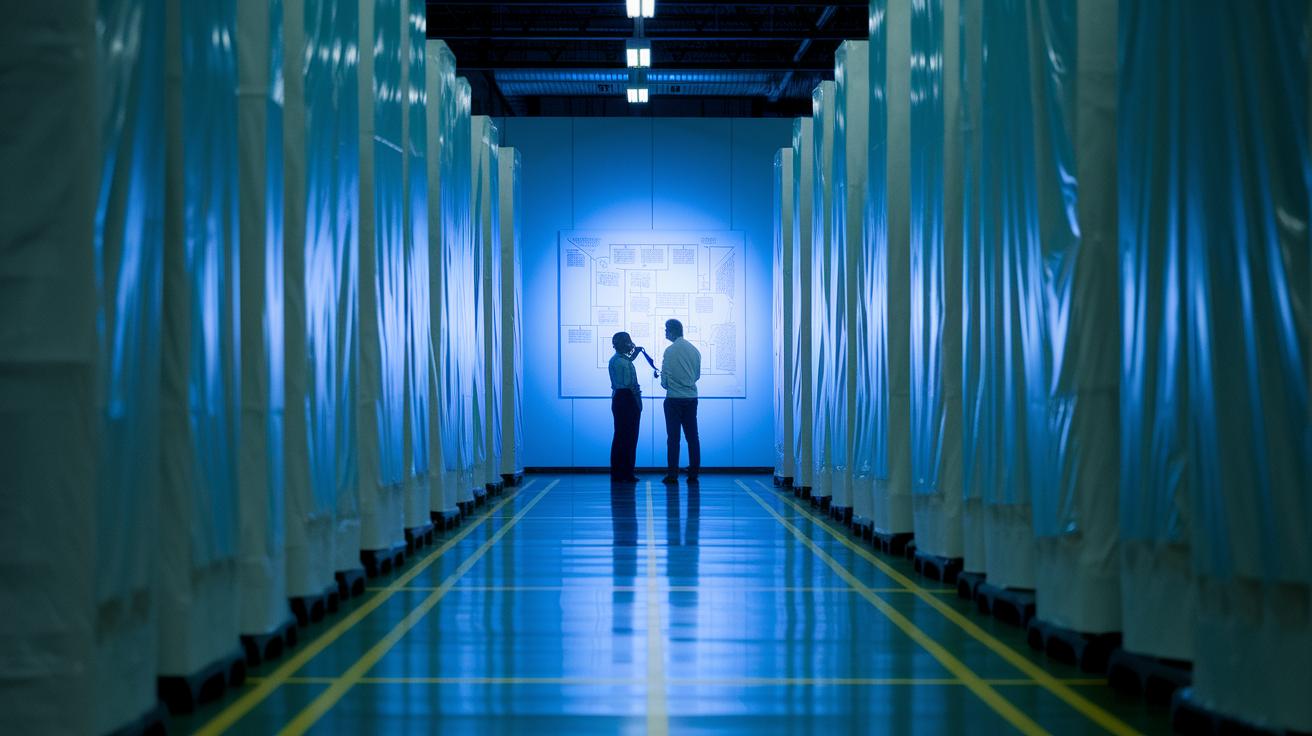
UWB typically works well up to about 50 meters. But even a simple barrier like a wall or bulky material can throw a wrench in the signal if the system isn’t perfectly tuned. Imagine being in a warehouse with thick walls that confuse the devices about distances – it’s a clear sign that even small obstacles can cause big problems.
Older IoT platforms add another twist when you try to mix them with UWB systems. These legacy networks often lack the modern sensor calibration and planning tools that today’s UWB devices need. It’s like trying to plug a fancy new sensor into a system from decades ago – the mismatch is pretty obvious.
On the power side, UWB’s short pulses keep energy use low most of the time. However, repeated bursts might end up draining the batteries of tracking devices faster than expected. And while tight security is key for protecting data, the extra workload can slow things down in crowded tech setups. Plus, constant transmission bursts can test a device’s durability, especially with long-term heavy use. All told, rolling out UWB requires a careful balance between precision, battery life, and robust hardware performance.
Future Outlook and Standardization for UWB Technology
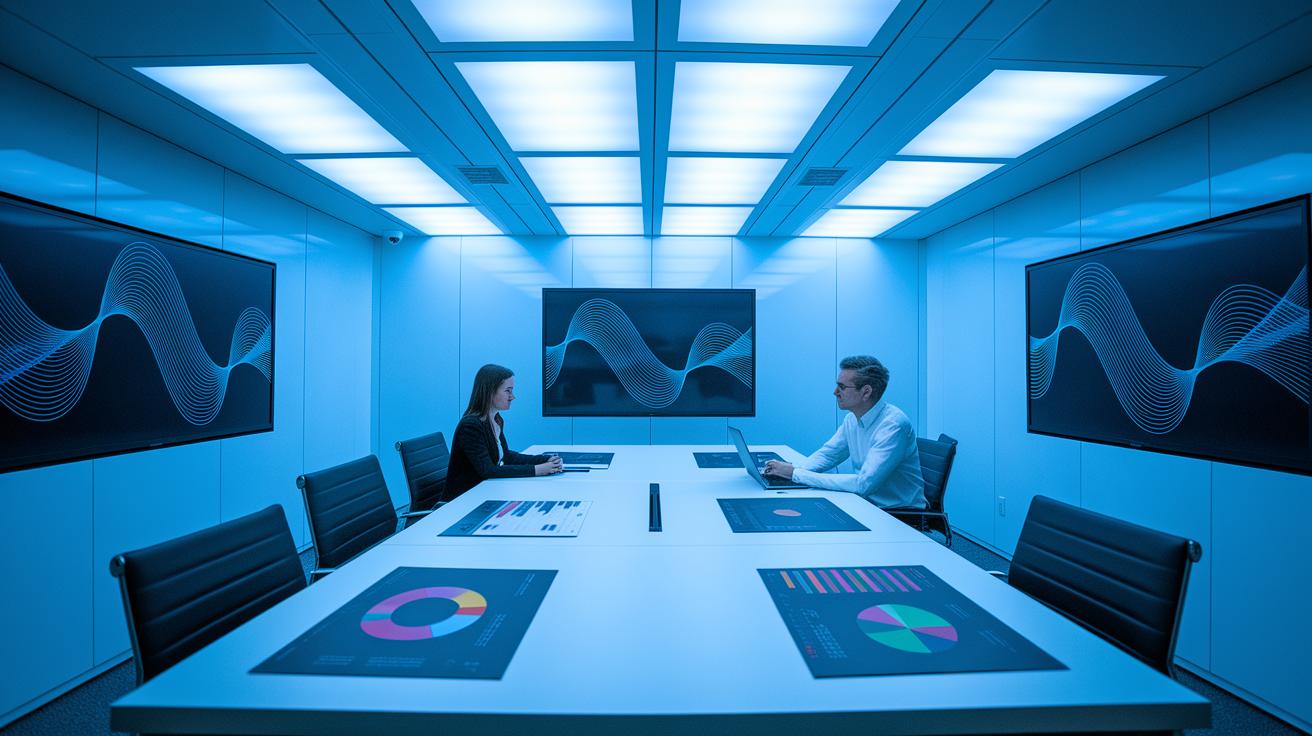
The FiRa Consortium leads the way by setting global rules for UWB devices. Every year, they share clear reports and rules that everyone can follow. They use strict testing tools, work with trusted labs, and have a detailed process for product submissions. This careful work helps build a solid system for ultra-wideband tech and keeps industry standards in sync.
New uses for UWB technology are popping up that could change how we interact with our devices. Imagine your phone unlocking a door without any keys, or indoor maps in AR/VR making it easier to navigate spaces. Smart buildings might soon use UWB for super accurate positioning that makes building operations smoother. It’s an exciting glimpse into the future of connectivity.
Engineers are working hard to create faster UWB systems with lower delays and better angle detection. They’re fine-tuning these methods to help gadgets respond quickly and with pinpoint precision. These steady improvements in both ultra-wideband protocols and smart algorithms are paving the way for UWB to play a major role in everyday gadgets and industrial systems alike.
Final Words
In the action of breaking down uwb technology, we covered its definition, technical mechanics, and real-life applications in both consumer and industrial setups. The post dissected precise location tracking, secure data transfers, and practical case studies while also noting some installation challenges. This clear overview gives readers insight into today’s tech marvels and sheds light on what to expect next, painting a positive picture for businesses ready to embrace these smart tools.
FAQ
What is UWB technology used for?
UWB technology is used for short-range, highly accurate tracking and data exchange. It supports indoor navigation, digital-key access, and precise device pairing in both consumer gadgets and industrial tools.
How is UWB integrated into smartphones like iPhone and Samsung?
UWB is built into smartphones via specialized chips, allowing secure digital-key functions, file transfers, and improved spatial awareness. This feature helps devices interact safely with nearby accessories and smart home gadgets.
What is the range for UWB technology?
UWB typically provides reliable performance within several tens of meters, with effective tracking usually under 50 meters. This short range supports high-precision measurements by minimizing interference and maintaining accuracy.
How does UWB compare to Bluetooth?
UWB delivers sub-10 cm accuracy and lower latency compared to Bluetooth. Its rapid burst transmissions and robust security make it ideal for applications that require precise location tracking and minimal interference.
Should I enable UWB on my phone?
If your phone supports UWB, enabling it can activate precise tracking and secure connectivity features like digital-key access. This feature enhances specific use cases but isn’t necessary for everyday smartphone operations.
What devices use UWB technology?
UWB is found in smartphones, wearables, smart home devices, and industrial sensors. These devices use UWB to achieve high-accuracy tracking, secure pairing, and real-time asset monitoring for varied applications.

Latest Technology Trends Spark Dynamic Innovation

Digital Twin Technology Fuels Future Success

How to Help Kids Stay Sharp Over the Summer
About The Author
