5 Industry 4.0 Technologies Spark Future Growth
Ever wonder what happens when machines start to work on their own? Factories are quickly changing into smart hubs where automation and real-time data make the work feel almost alive. Imagine a little mobile robot silently cruising across the floor, its smooth movements taking care of tasks with ease. Today, we’re diving into five cool tech tools that are helping modern manufacturing grow and change the game.
How Industry 4.0 Technologies Revolutionize Modern Manufacturing
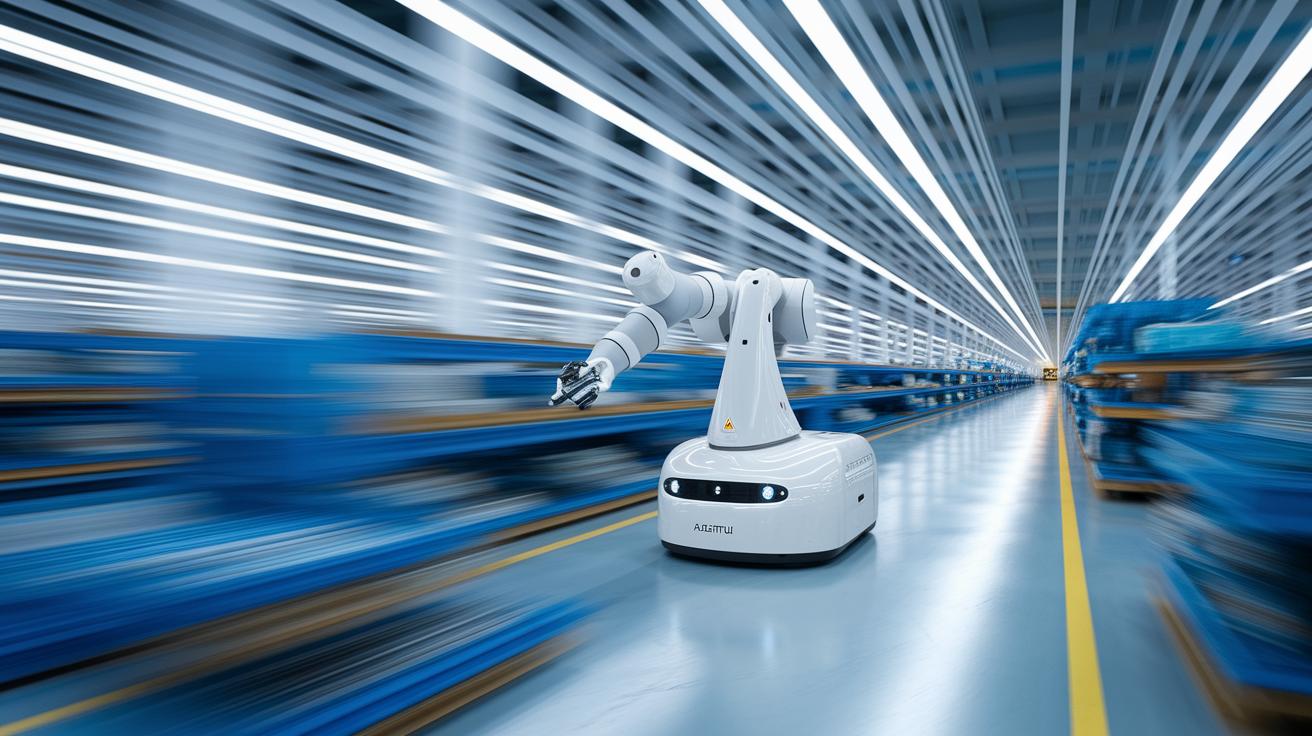
Industry 4.0 blends automation, real-time data, digital connectivity, and smart process control to turn regular factories into smart production hubs. It swaps out manual work for efficient, automated solutions. Imagine a mobile robot quietly moving across a factory floor, handling parts with smooth precision. This new era in manufacturing boosts clarity and backs quick, on-the-spot decisions.
- Mobile Robots: They handle material transport and assembly tasks, cutting down on hard manual work.
- Generative AI: It scours huge sets of data to spot improvements and smooth out operations.
- IIoT: It links sensors and devices via cables like fiber or Ethernet, keeping a constant watch.
- Data Analytics: It pools and reads production data to ramp up quality and efficiency.
- AR/VR: These tools offer a hands-on, virtual way to train staff and help with maintenance.
- Private 5G: It delivers a fast, secure network that keeps communication flowing seamlessly.
All these smart tools work together across three key layers. The first layer is communication, think fibers and Ethernet links that connect every sensor and device. The second is operational, where machines like industrial PCs handle everyday tasks. Finally, the IT layer uses cloud systems to store and process all this data. When these layers come together, they create a smooth, intelligent factory where every production step is supported by cyber-driven automation.
Core Components of Industry 4.0: IoT, AI, and Robotics
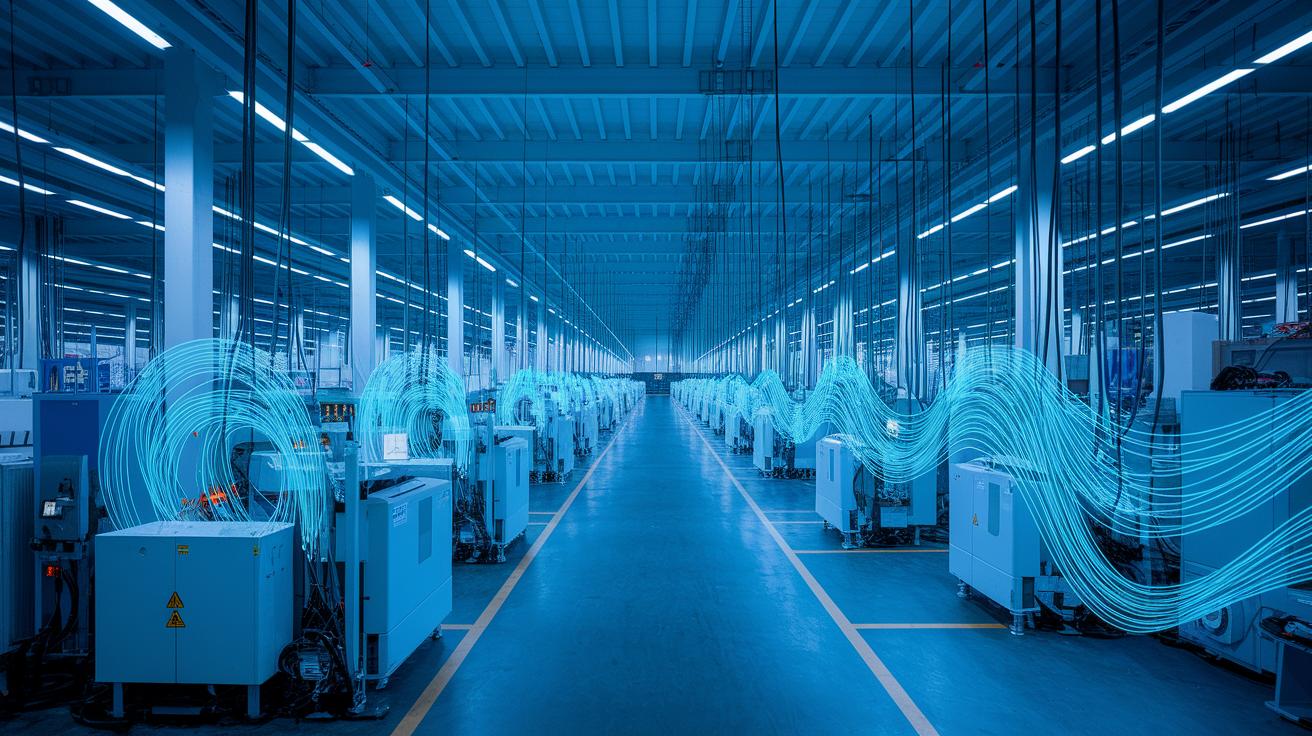
Smart factories lean on sensor networks like a nervous system, with sensors tucked into key spots that send live updates through fiber or Ethernet cables. Their real-time readings help factories keep an eye on operations and tweak settings as needed. This makes the whole system more flexible and ready to adapt.
IoT Adoption
Using IoT in factories really ups the game when it comes to knowing what’s happening on the floor. For example, sensors on production lines can pick up on temperature shifts and even slight vibrations in equipment. When this happens, teams get a heads-up about possible issues, allowing them to fix things quickly and keep everything running smoothly.
AI Integration
Bringing machine learning into the mix means turning heaps of raw numbers into smart suggestions. Imagine an algorithm that combs through tons of production data to figure out when repairs might be needed. In one case, an AI noticed a pattern of small glitches, which led to early repairs, cutting down on downtime and boosting overall output.
Advanced Robotics
Robots in these factories aren’t just cool gadgets, they play a big role in moving materials and checking quality. Many of these robots work side by side with people, making tasks run smoothly. Picture a mobile robot zipping along an assembly line, carrying parts between stations, while smart sensors make sure it drops off everything in the right place.
When sensor networks, AI, and robotics join forces, they create a smooth, automated system that ramps up production and adds flexibility. By taking over repetitive tasks and keeping processes neat, these technologies help factories adapt quickly to whatever the production day throws at them.
Data Analytics and Predictive Maintenance in Smart Factories
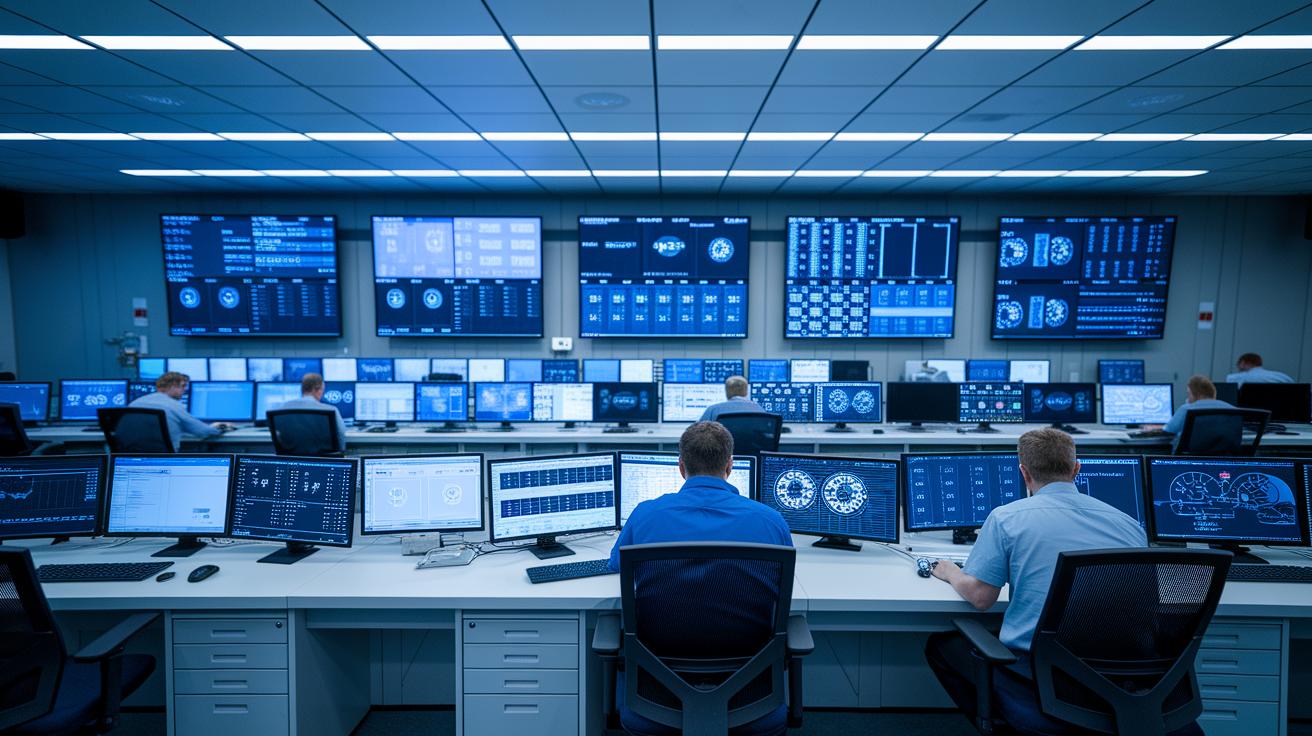
Factories today lean on strong data pipelines that pull machine, sensor, and process info into one central dashboard. Across production sites, sensors send a steady flow of data using both wired and wireless networks. This reliable stream sets the scene for smart analysis and well-informed decisions.
Analytics algorithms dig through heaps of raw data, uncovering patterns and oddities that might otherwise slip by. With these insights, factories turn raw numbers into clear, actionable steps. For example, if an algorithm notices a repeating vibration pattern, it might be urging the team to fix an issue before it grows into a big problem.
- Keep an eye on sensor data to catch early signs of wear.
- Use anomaly detection to plan repairs ahead of time.
- Track key markers like uptime and throughput to keep improving.
This kind of predictive maintenance not only slashes costly outages but also boosts production efficiency. Fewer unscheduled downtimes mean higher product quality and lower overall costs, paving the way for both savings and a stronger competitive edge.
Augmented Reality, Virtual Reality, and Digital Twins in Production
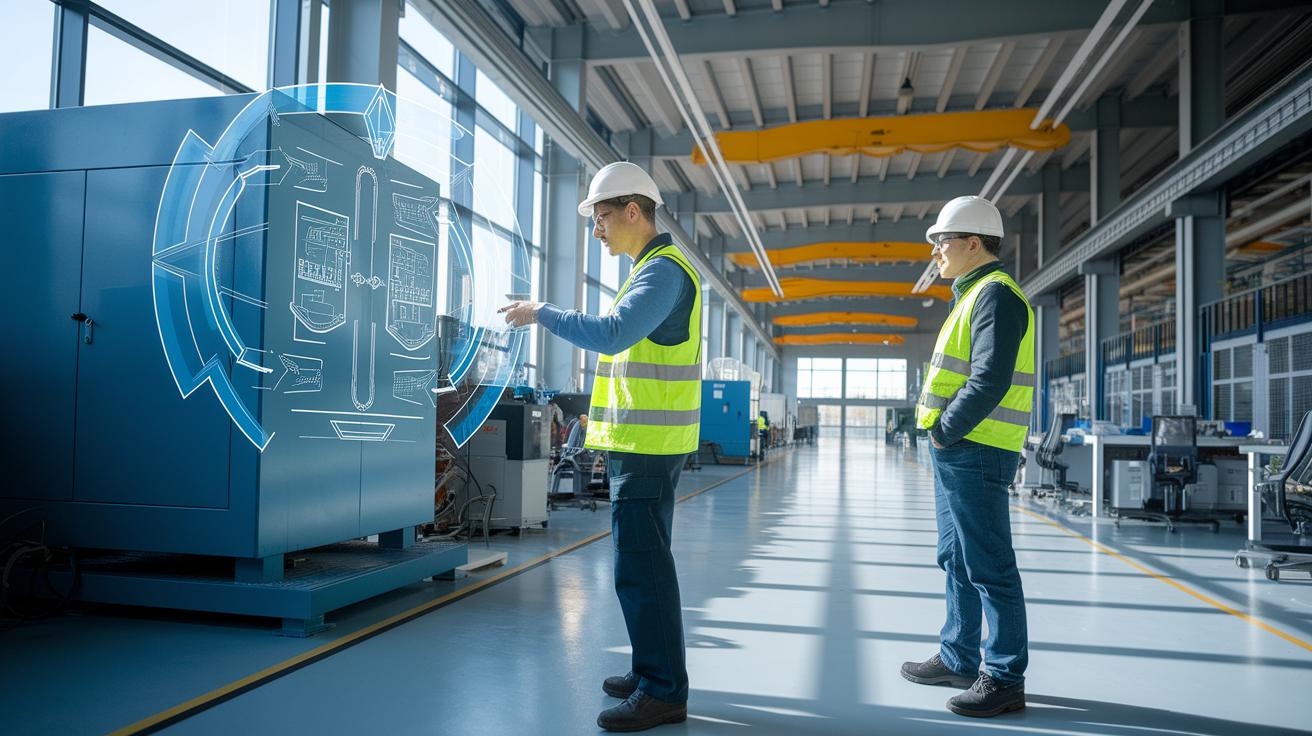
Imagine digital work guides popping up right on the equipment as you work. AR and VR technologies let you see step-by-step instructions during maintenance, so technicians can learn on the job without ever pausing production. It’s like having a friendly helper right at your side, reducing mistakes and saving time.
These immersive tools work in several cool ways:
- AR screens project live repair guides onto machines.
- VR training modules let staff practice in a simulated production world.
- Mixed-reality setups merge real and digital data to help with quality checks and safety reviews.
And then there’s digital twin technology. Think of it as a perfect, virtual copy of a machine or even an entire plant. Managers can play with these models to see what might happen if changes are made, spotting potential issues before they arise. In fact, using digital twins can cut troubleshooting time by up to 30%! Together, AR/VR and digital twins help cut downtime, boost maintenance accuracy, and improve overall production. It’s a fresh, real-time twist on routine tasks that drives productivity and keeps things running smoothly.
Cyber‐Physical Systems and Secure Connectivity in Industry 4.0
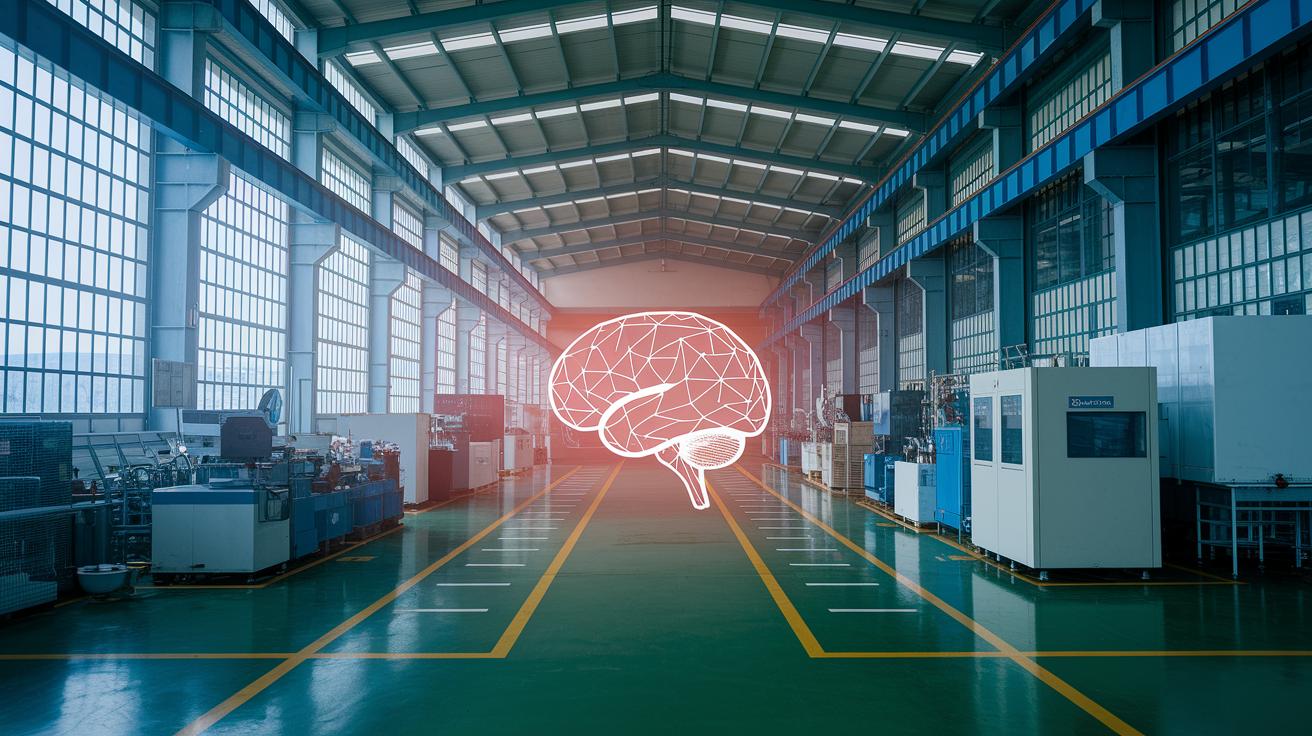
Cyber-physical systems blend computer smarts with the real world. They mix tools like artificial intelligence and machine learning into everyday factory setups. This lets machines respond on their own by using sensor networks that talk over private 5G or wired Ethernet. It’s like giving the factory a brain that feels and reacts instantly.
In many plants, cloud computing gathers data from every corner of the factory floor. This data powers systems like ERP and real-time analytics, so decision makers can check on operations in a snap. Imagine a digital heartbeat that keeps everything in sync.
Security is just as important as smart operations. Factories use special cybersecurity protocols to guard against any unwanted surprises and to keep data safe. They make sure that every piece of information stays private while still allowing smooth flow of communication.
| Security Measure | Purpose |
|---|---|
| Regular updates | Keeps connectivity protocols current and strong |
| Data encryption | Protects sensitive information during transmission |
| Cybersecurity compliance | Ensures standards meet today’s security needs |
| Continuous monitoring | Watches for any potential vulnerabilities |
These secure settings help blend digital smarts with physical strength. The result is a smooth, safe operation where every automated process adjusts in real time. Together, these innovations pave the way for smarter, safer factories that can react as quickly as our world changes.
Implementation Strategies: From Pilot Projects to Full-Scale Digital Factories
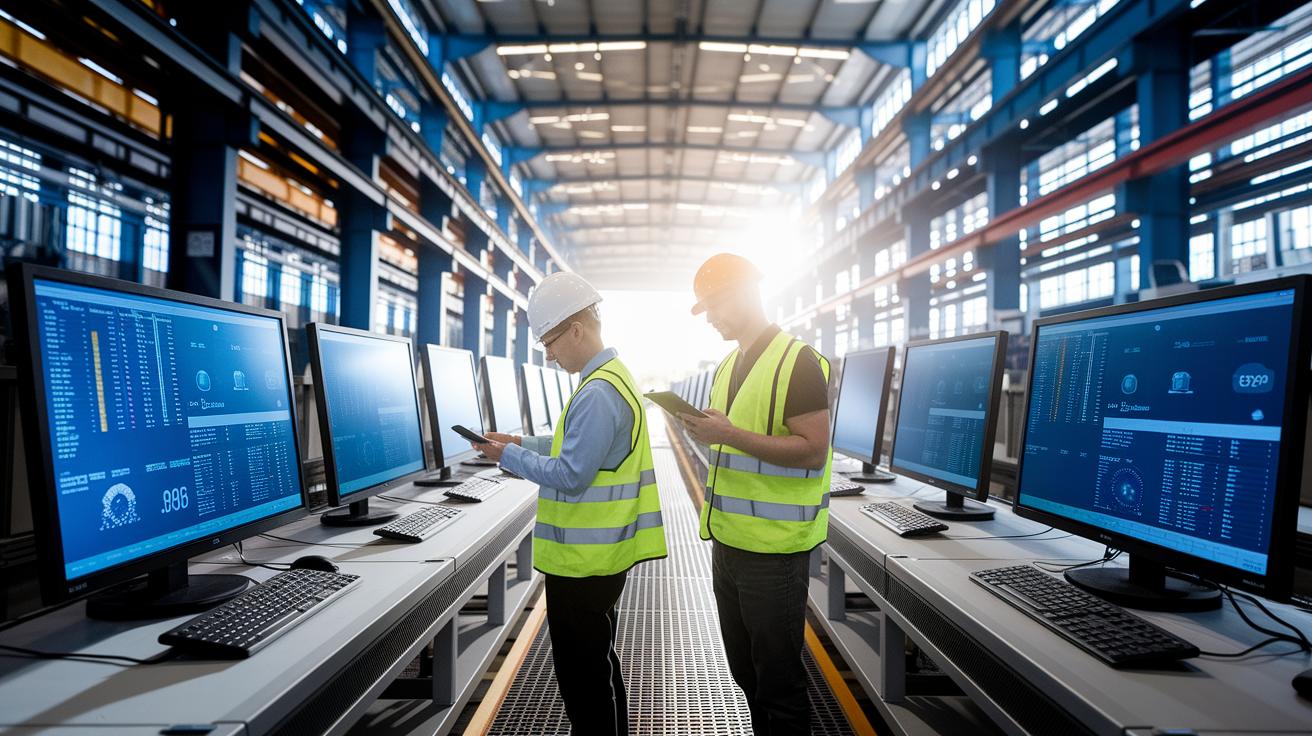
Companies kick off their digital upgrade journey by picking quick, win-win projects, think sensors for predictive maintenance or tools to balance production lines. They mix lean methods with digital tech to speed up processes and cut waste, all while laying the groundwork for a total transformation.
-
Pilot Selection
Start small. Choose one manageable production line where you can try out digital tools. For example, place sensors on part of the assembly line to collect data and test out how predictive maintenance could really work. -
Data Integration
Set up all the paths for data to move around, using cloud-based planning systems and integration platforms. This helps make sure that information flows smoothly across every part of your operation. -
Scaling Up
When the pilot shows promise, roll out the digital tools to more lines or even other departments. This step taps into lean strategies that boost overall performance. -
Training
Spend time teaching your team how to work with these new digital tools. Hands-on sessions let everyone get comfortable with cloud ERP systems and see their part in a modern, digital production setup. -
Continuous Improvement
Keep a close eye on system metrics and fine-tune operations as you go. Use real-time data to tweak everything from raw materials to finished products, making sure the process stays efficient and adaptable.
Changing how an organization works is key to this digital leap. Companies that keep communication open and listen to regular feedback make the shift smoother. This approach not only steadies the new system but also builds trust across teams, ensuring the adoption of advanced technology stays dynamic and ever-improving.
Real-World Case Studies of Industry 4.0 Adoption
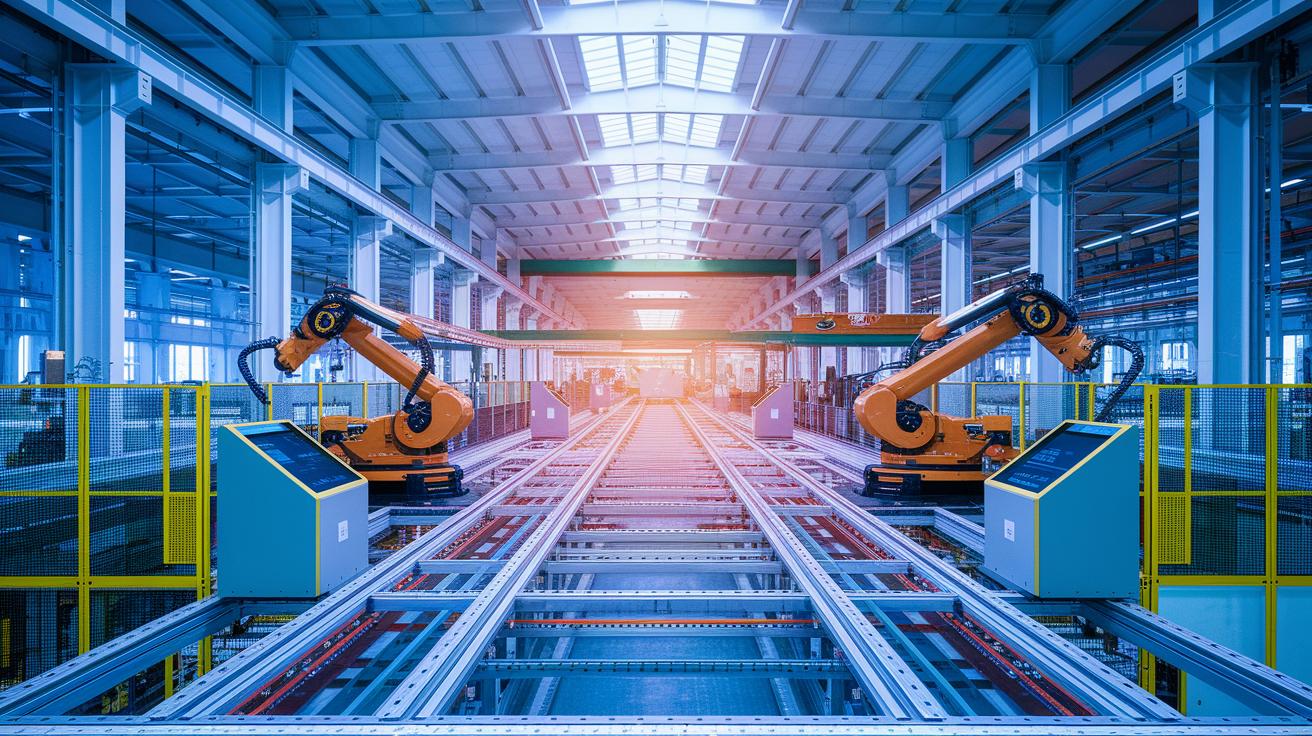
Industry 4.0 is changing manufacturing by blending easy-to-use smart tech with old-school methods. Companies across many fields are hopping on board to work faster and keep track of their production, all in real time. For example, a large car maker in Thailand uses live connectivity to watch over its assembly line and keep everything running smoothly. And in Vietnam, Pegatron has built a 5G smart factory that links up its Industrial Internet of Things devices with super-fast networks, so they get the data they need in a flash.
In the food and beverage world, many companies use sensors and robots to watch quality, track production, and manage logistics. This means fewer mistakes and less need for manual work. Meanwhile, a metals company in Malaysia has combined tools like IIoT devices, AI for maintenance, robotic automation, digital twin simulations, CAM software, and ERP systems. This blend not only speeds up their operations but also helps spot any small hiccups before they turn into big problems.
Below is a summary of these case studies:
| Sector | Technologies Used | Key Benefit |
|---|---|---|
| Automotive | Connectivity, real-time monitoring | Enhanced production insights |
| Electronics | 5G networks, IIoT | Low-latency data transmission |
| Food & Beverage | Sensors, robotics | Optimized quality control and logistics |
| Metals | IIoT, AI, robotics, digital twins, CAM, ERP | Improved efficiency and predictive maintenance |
These real-world examples show us that adding digital tech to traditional manufacturing not only streamlines the process but also shares useful ideas for many other industries. It helps build a smarter and more responsive way to make things.
Benefits and Challenges of Adopting Industry 4.0 Technologies
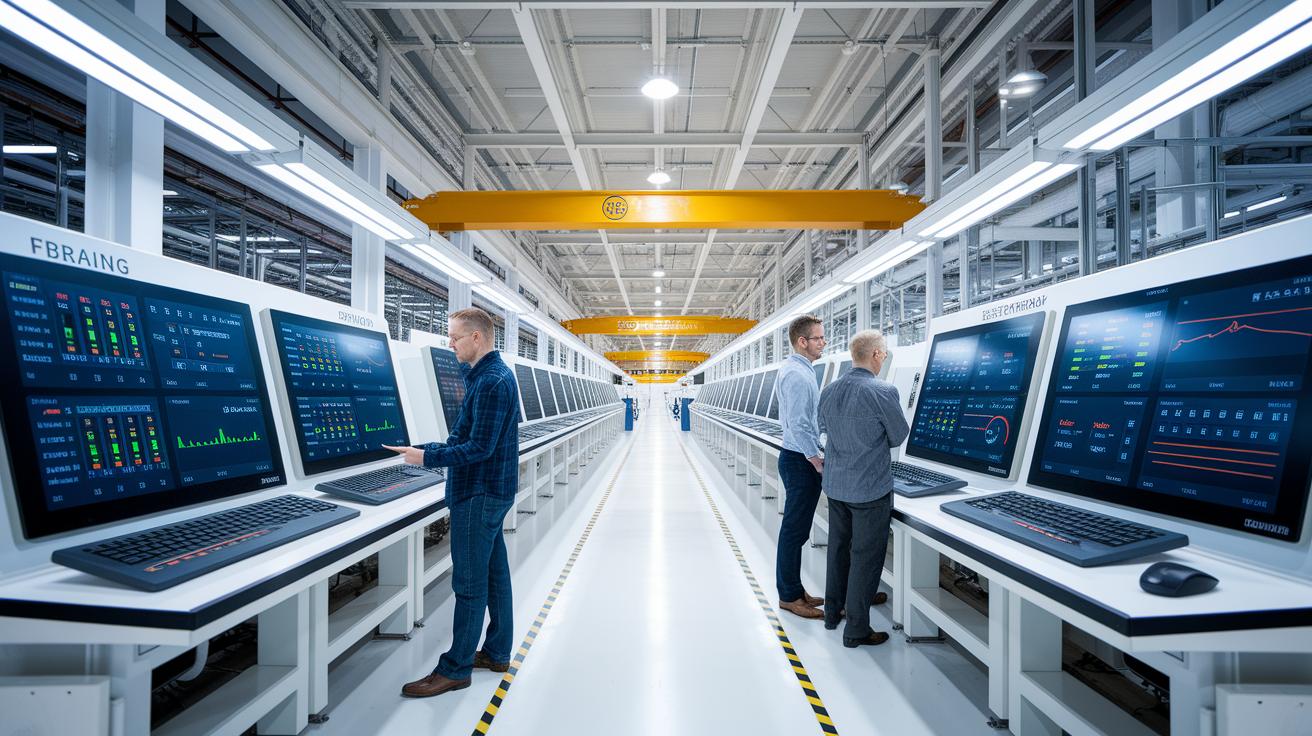
Industry 4.0 tech gives manufacturers a strong push toward digitizing production lines by delivering real-world gains. It makes teamwork across every product stage smoother and puts real-time data at your fingertips, which speeds up smart decisions and clears the path from design to service. For instance, one mid-sized factory cut downtime by almost 40% just by switching to dashboards that show live data.
- Key Benefits:
- Easier teamwork through every step of the product process
- Clear data that leads to smarter choices
- Flows that move smoothly from design to service
- Higher output and improved productivity
- Less need for manual work
Yet, diving into these smart solutions brings its own set of challenges. Companies have to face technical puzzles like cybersecurity risks in cloud systems, and there’s always the need for ongoing staff training and change management. Limited resources and tight budgets can also make it hard to roll out new tools quickly. In short, you have to balance the tempting benefits with some real roadblocks.
- Common Challenges:
- Cybersecurity issues in cloud-based systems
- The constant need for staff training and adapting to change
- Budget and resource limitations
- Complexities in managing growing amounts of data
- Integration costs and technical bumps along the way
To really make the most of these innovations, companies must tackle these issues head-on. With smart strategies to reduce risks and a commitment to steady process improvements, even the toughest challenges can be turned into opportunities for growth in a competitive world.
Future Trends and Innovations in Industry 4.0 Technologies
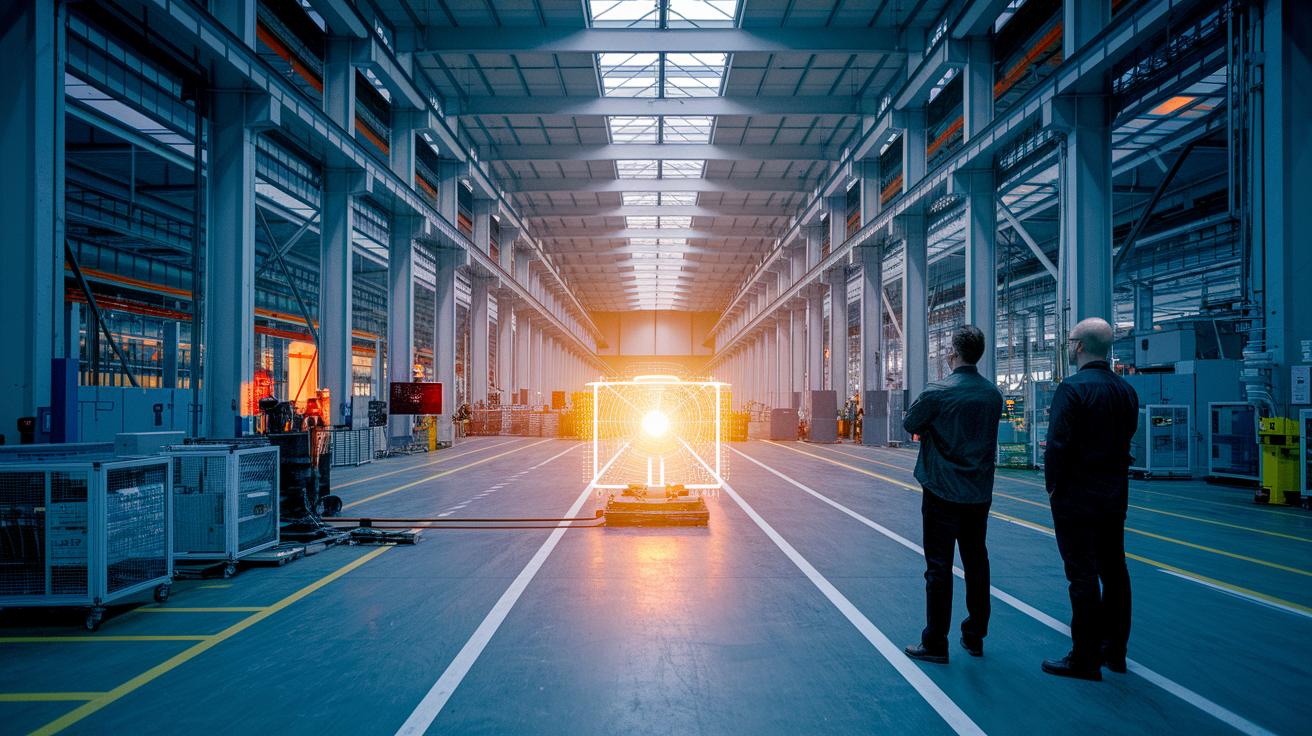
Industry 4.0 is changing fast, blending smart data insights with real-time decision tools and smoother supply systems. In this section, we catch up on new updates that build on ideas like using data to predict when a machine might need a fix or streamlining factory work.
Edge analytics paired with AI now lets teams act quickly. Imagine a sensor that buzzes the moment a machine acts up. Modern factories are also getting a digital makeover, linking up suppliers, factories, and customers into one neat network that builds on what we already know about supply chains.
New automation is mixing easy-to-use controls with engaging AR/VR training to fine-tune operations without rehashing the same old tricks. And thanks to advancements in private 5G and sensor tech, production lines are fed with reliable, fast data streams that help boost overall efficiency.
These innovations are setting the stage for smart, ever-evolving production environments that keep up with today’s fast-paced manufacturing world.
Final Words
in the action, this article brought us a practical look at how industry 4.0 technologies are reshaping modern manufacturing. It covered key areas like smart automation, real-time data, AR/VR, digital twin technology, and secure cyber-physical systems. Each section painted a picture of modern factories and provided relatable examples and case studies.
The blog left us with a sense of optimism about taking on digital work challenges head-on. Embrace these trends to drive your tech strategy forward.
FAQ
What are the key examples of Industry 4.0 technologies?
The key examples of Industry 4.0 include mobile robots, the Industrial Internet of Things (IIoT), data analytics, Augmented/Virtual Reality, private 5G connectivity, and Generative AI, which together boost production efficiency in modern manufacturing.
How do Industry 4.0 technologies transform manufacturing?
Industry 4.0 transforms manufacturing by integrating automation, real-time data, and digital connectivity to create smart factories, enhancing process control, production efficiency, and timely decision-making across operations.
What are the pillars and standards of Industry 4.0 technology?
The pillars of Industry 4.0 are automation, real-time data, digital connectivity, and intelligent process control. Its standards focus on integrating communication, operational, and IT systems to build cohesive smart production environments.
Where can I find resources like Industry 4.0 PPT, PDF materials, or certification courses?
Resources such as Industry 4.0 PPT slides, PDF guides, and certification programs are available online. They offer essential insights and training to boost smart manufacturing and digital transformation skills.
How have Industry 4.0 and Industry 5.0 evolved recently?
Recent developments in Industry 4.0 include advanced connectivity, real-time analytics, and cyber-physical systems. Meanwhile, Industry 5.0 emphasizes enhanced human-technology collaboration and personalized manufacturing solutions.
What software supports Industry 4.0 and digital transformation in manufacturing?
Industry 4.0 software includes ERP systems, cloud platforms, and real-time analytics tools. These systems integrate processes, facilitate data-driven decision-making, and support seamless digital transformation in production environments.
What benefits does Industry 4.0 offer to manufacturing operations?
Industry 4.0 offers improved automation, enhanced data visibility, faster decision-making, and fewer manual tasks. These benefits increase efficiency and productivity, making manufacturing operations more adaptive and cost-effective.

How to Help Kids Stay Sharp Over the Summer

3 Future Tech Trends Spark Optimism

Latest Technology Trends Spark Dynamic Innovation
About The Author
