Tech Trends 2025: Bold Breakthroughs Abound
Have you ever stopped to wonder how our tech world might look by 2025? Big changes are already in motion.
AI is quickly becoming our clever helper, imagine a smart buddy that makes tasks easier. And soon, robots might work right alongside us, which is sparking a wave of fresh investments.
Companies are on the move, tackling problems like system downtime (when things suddenly stop working) and data security by updating their tech. It’s a bit like swapping an old gadget for a brand-new one with all the bells and whistles.
All these shifts are set to completely change how we work and live in ways few of us expected.
Stick around as we explore the tech trends that are gearing up to reshape our future.
Key Tech Trends Steering 2025
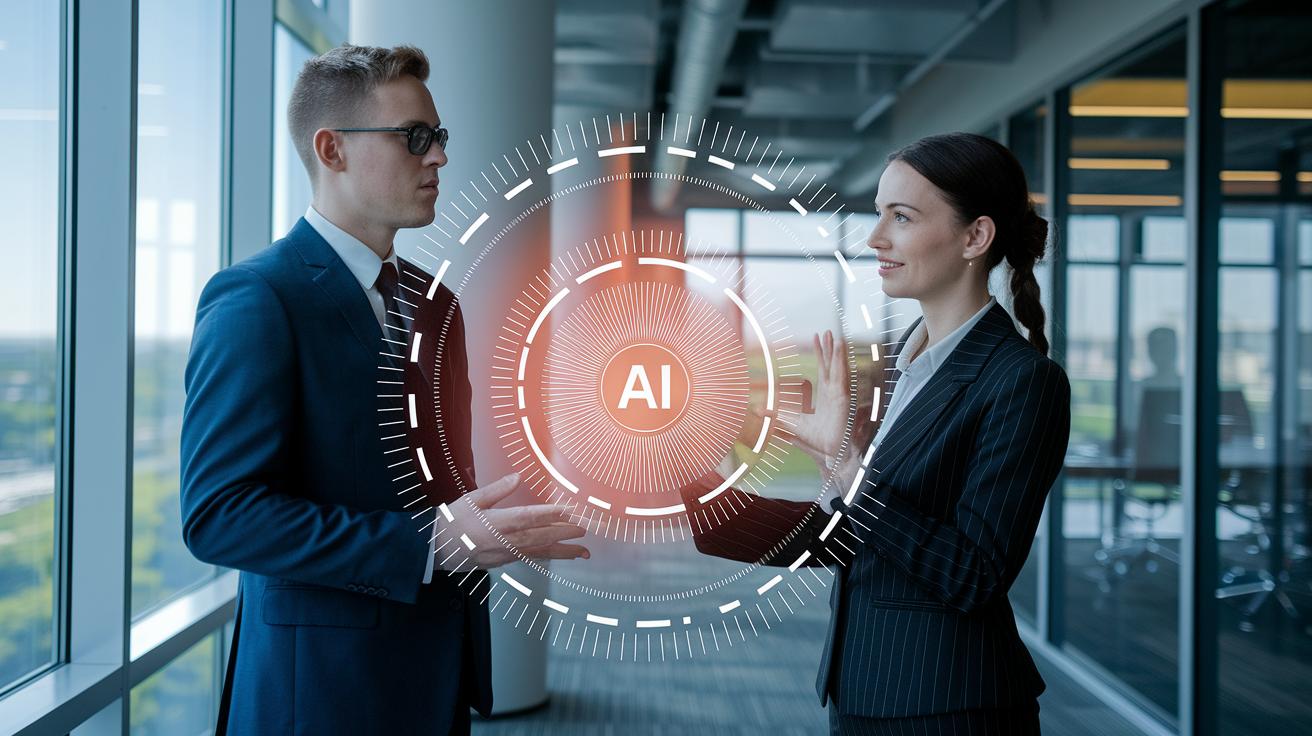
The tech world is evolving fast. Companies everywhere are scrambling to adopt breakthroughs that truly change how we work. A recent Gartner study highlights trends like AI, advanced computing, and smooth human-machine collaboration that drive this change. Even though just a few companies are fully ready for AI, global investments are booming, pushing everyone to keep up.
From tech fans to business leaders, there’s a real hunger for innovations that tackle everyday problems. Think about it, cutting down on expensive network outages or keeping our data secure in a constantly connected world. This push for smarter, faster, and more reliable systems is making many companies rethink their digital game plan. Next, here are some standout trends:
• Agentic AI is growing into a proactive, context-aware partner.
• Humanoid robots are joining teams, which means we need super fast, low-latency networks.
• There’s a huge demand for streamlined connectivity in our hyperconnected world.
• Only 13 percent of companies are completely ready for AI.
• New cybersecurity challenges like prompt injection threats are troubling about 30 percent of firms.
• AI-driven automation is reducing network downtime, helping offset outages that could cost as much as 9 percent of yearly revenue.
Executives, it’s time to pay close attention. Every breakthrough has big implications for how resilient operations are and what long-term strategy should look like. Transitioning from static AI to systems that learn on the fly, and bringing humanoid robotics into the mix, means upgrading infrastructure while managing risks smarter. Keeping an eye on these trends will help leaders fine-tune their digital strategies and stay ahead in this tech-fueled market.
AI Evolution and Machine Learning Breakthroughs by 2025

AI is moving fast, turning ordinary computer systems into smart partners that understand context. By 2025, machines will learn from daily interactions just like a friend learns your habits. Imagine a tool that tweaks its functions by simply watching how you work. It’s like having a co-worker who gets better at their job with every meeting. But only 13 percent of organizations are ready yet, as most still need the right setup and data.
| Breakthrough | Description | Impact |
|---|---|---|
| Agentic AI | Smart systems that understand context on their own | Makes tasks run smoother |
| Autonomous ML | Algorithms that improve themselves | Quickens model roll-outs |
| NLP Advances | Real-time language processing | Makes user interfaces friendlier |
| Computer Vision | Improved image recognition skills | Drives better automation |
These breakthroughs are reshaping company priorities. Organizations are aiming to ramp up productivity and cut downtime. AI automation reduces errors and can even trim network outages by over 40 percent, pretty impressive, right? Leaders need to invest in both new technology and training. And soon, we might see brain-boosting tools that read our brain waves to help us think more clearly, matching our digital work with our natural abilities.
tech trends 2025: Bold Breakthroughs Abound
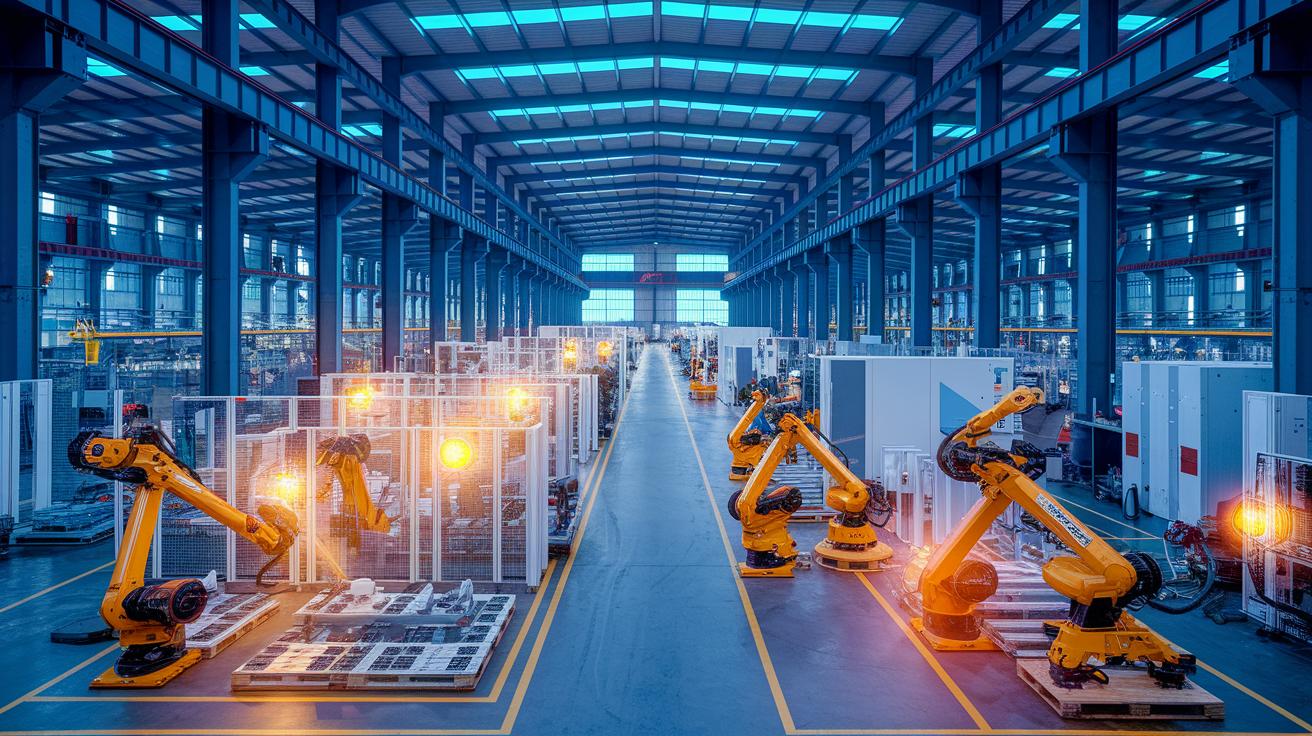
The world of connected devices is growing fast. IoT now powers everyday gadgets that work smoothly with edge computing and fast 5G networks. This combo helps grab real-time data immediately. Cheap sensors add a clever twist, we call it Ambient Invisible Intelligence, quietly picking up cues from our surroundings as everything runs on autopilot. And as robots join forces with people, the need for systems with under-10 ms response times is on the rise. AI-managed networks even help cut down on the downtime caused by misconfigurations, which account for 40 percent of service outages.
Factories and logistics are already riding this wave. In smart factories, edge computing teamed up with 5G brings fresh ideas like predicting equipment hiccups and fine-tuning production lines using modern industry 4.0 tactics. Retail and supply chains also enjoy these benefits, using real-time IoT insights to streamline tasks and reduce waste, which leads to smoother operations and quicker responses.
Yet, there are still some bumps on the road. Legacy devices must now blend with the latest tech, and companies need to guard against new security risks in a more connected world. Balancing fast, exciting innovations with reliable day-to-day operations is a real challenge. This means businesses are rethinking their network systems, optimizing for instant data processing, and mapping out smart upgrades. All signs point toward a future full of strong growth.
Blockchain Disruption and Quantum Computing Prospects for 2025

Blockchain isn’t just about cryptocurrencies anymore. Companies now use it to keep financial records, track goods in supply chains, and verify identities with more secure, spread-out systems. It’s like having a digital notebook that everyone can check, which makes transactions safer and faster.
Quantum computing is quickly gathering attention too. Imagine computers that combine classic parts like CPUs with new tech such as quantum chips and light-based systems. These hybrid machines aim to solve tough problems in a flash. Plus, with post-quantum cryptography in the mix, tech designed to guard data from future threats, the whole system is set to boost our processing power dramatically.
Real-world examples back up these shifts. One major firm even mixed a blockchain system with a hybrid computing setup to handle international transactions securely while also bracing for high-tech cyber risks. Early projects in space-based computing are extending network reach to remote areas, hinting at huge improvements in finance and logistics. In truth, this blend of blockchain and quantum tech is paving the way to a more secure, efficient business world.
Cybersecurity Enhancements and Privacy Reforms in 2025

AI is changing the way threats appear in our digital world. Hackers are now using clever methods like prompt injection attacks, where they trick systems with AI-driven tactics. Only about 30% of companies have the right tools to fend off these attacks, leaving many at risk. Imagine a small business suddenly dealing with a breach because its defenses simply don’t catch these new tricks.
New rules and tech fixes are stepping in to help. Fresh guidelines now demand strong measures to keep fake AI-generated info from shaking public trust. In response, updated privacy laws and defense plans are being put in place. Businesses are being nudged to adopt smarter tech, think adaptive encryption and real-time monitoring. You might want to check out the "cybersecurity threat risk analysis in tech" report to see how these tools work in practice.
It’s clear that companies need a smart game plan for managing their AI tools. Investing in top-notch cyber defenses, training staff, and running regular audits is key. Picture a firm that catches strange prompt injections as soon as they happen, stopping breaches in their tracks. This kind of quick, proactive approach helps protect important data and keeps everyone from board members to tech teams confident in today’s high-risk digital setting.
Immersive Experiences: AR, VR, and Mixed Reality Applications in 2025
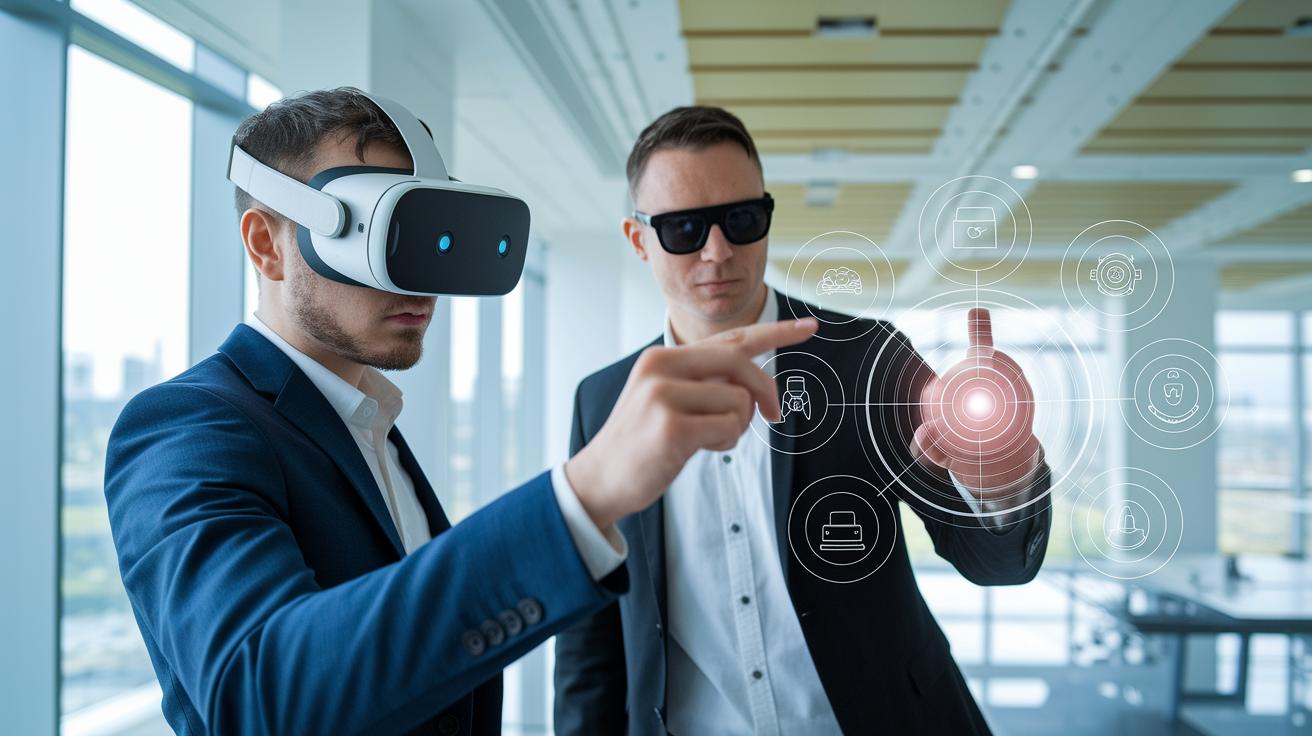
AR and VR are growing fast as the tech becomes easier to use. Lighter headsets and quicker screens are catching the eye of many industries. Marketers even say curiosity is on the rise as both businesses and regular folks dive into these new experiences.
These tools are changing how we work and play. For example, training programs using AR help workers learn tricky tasks, while stores use virtual try-ons to mix physical shopping with online fun. Even remote teams are meeting in VR spaces that feel surprisingly real.
All signs point to immersive tech becoming a part of everyday life. Better hardware and smarter software mean that by 2025, immersive designs will reshape schools, offices, and public spaces in ways we’re just beginning to imagine.
Business and Consumer Implications of Tech Trends 2025

Companies are changing the way they work. Remote work platforms have grown up, and process automation has hit new levels. A recent Gartner white paper shows that digital tools now make tasks smoother and improve the overall employee experience. Fintech is also shaking things up by introducing agile, software-driven methods that help businesses react quickly. Consequently, teams can work together no matter where they are, making the old need for a physical office less important.
Firms are rethinking their internal game plan. They’re adopting smarter workflow management systems that automate routine tasks. By investing in these digital solutions, everything from day-to-day operations to meeting compliance rules is getting streamlined. This shift cuts out error-prone manual labor and helps boost overall productivity.
Customers are on the move too. E-commerce is becoming more intuitive and personal, and tech advances in sustainability are meeting the increased demand for greener products. Shoppers are more likely to connect with brands that not only deliver smooth digital services but also show a real commitment to the environment.
Business leaders need to tie these tech changes back to their core goals. Investment choices are shifting towards tools that support remote collaboration, enhance fintech capabilities, and promote sustainability. Checking out the latest tech trend analysis at analysis of tech headline trends can give further insights into long-term growth opportunities.
Final Words
In the action, we walked through breakthrough shifts in digital work for 2025, from AI evolution and immersive AR/VR to smart IoT, edge networks, blockchain, and proactive cybersecurity.
Each section highlighted how these innovations reshape business strategy and everyday operations.
Your glimpse into agentic AI, low-latency networks, and new security models connects practical insights with future challenges.
Stay curious and use these insights on tech trends 2025 to drive growth and remain agile in a fast-moving digital world.
FAQ
What is the trend in technology in 2025?
The trend in technology in 2025 revolves around AI-driven solutions, immersive experiences, and robust digital systems that reshape everyday work and consumer interactions while driving agile business operations.
What will the tech market be like in 2025?
The tech market in 2025 will feature widespread digital transformation where businesses integrate advanced AI, edge computing, and cybersecurity measures to boost efficiency and stay competitive in a rapidly shifting environment.
Which tech skills are most in demand in 2025?
The tech skills in demand in 2025 include expertise in AI, machine learning, cybersecurity, edge computing, and blockchain, as these areas are critical for driving innovation and securing digital infrastructures.
What’s trending in 2025?
What’s trending in 2025 covers breakthroughs in immersive AR/VR, next-generation AI advancements, blockchain innovations, quantum computing prospects, and scalable IoT solutions that collectively redefine digital experiences.
Where can I access detailed tech trend analyses for 2025?
Detailed analyses of tech trends in 2025 are available through reputable reports from Deloitte and McKinsey, offered in PDF and PPT formats, which provide industry leaders with comprehensive insights into future technological shifts.

Top 10 Technology Trends: Inspiring Future Tech

Digital Twin Technology Fuels Future Success

5 Industry 4.0 Technologies Spark Future Growth
About The Author
