Digital Twin Technology Fuels Future Success
Ever thought about a digital copy of the real world that might predict your next win or loss? Digital twin technology builds a live digital version of real systems using sensor data and detailed models. This clever tool updates as things change, so industries can try out ideas before rolling them out in the real world. It reflects what’s happening right now and helps pave the way for smarter decisions later on. By blending real and digital insights, digital twin technology sets the stage for future success and reshapes how we plan in areas like healthcare and aerospace.
Foundational Overview of Digital Twin Technology
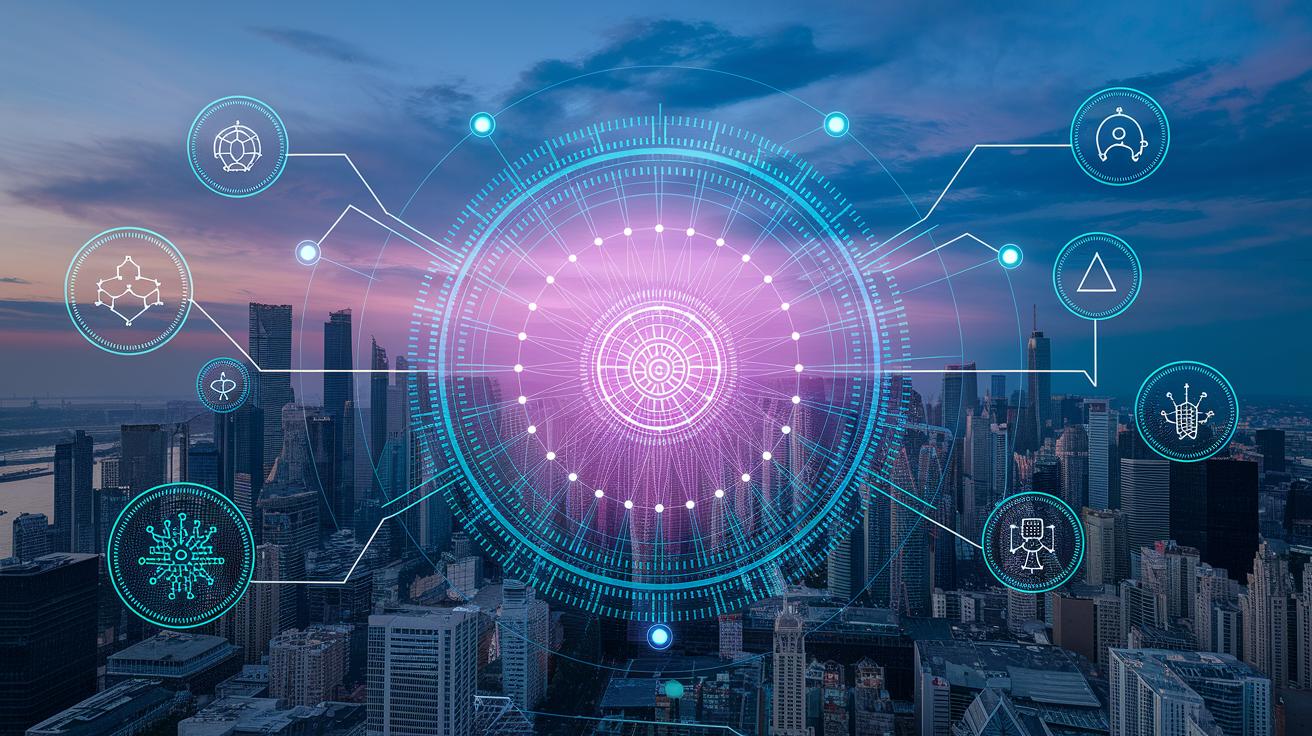
Digital twin technology gives us a live digital copy of something real. It works by pulling in real-time data from sensors, mixing in detailed 3D models, and using other data feeds to keep the copy always up to date. With a little help from AI and machine learning, the digital twin adjusts itself to reflect real-life changes, making it feel almost alive.
Unlike older virtual models, which stay the same until someone manually updates them, digital twins change continuously. They blend into our real world as they gather constant streams of data, giving us instant insights and predictions. This ongoing feedback is a game changer for industries that need fresh, up-to-date information.
| Feature |
|---|
| Real-time sensor data integration |
| Detailed 3D modeling and imaging |
| Advanced analytics driven by AI and machine learning |
| Continuous system interconnectivity |
Digital twins do more than just copy behavior, they let you experiment with ideas in a digital space before making real-world changes. For instance, engineers can test how a system reacts to stress or potential failures. This hands-on simulation goes far beyond the static models of the past, allowing industries from aerospace to healthcare to plan smarter and make better decisions.
Take Rolls-Royce’s IntelligentEngine as an example. It uses digital twin technology to gather data from over a dozen sensors onboard each engine. This live monitoring helps mechanics and engineers predict when maintenance is needed and fine-tune operations. Imagine having a mirror that shows every little detail of how things are working in real time, that’s the power and promise of digital twin technology.
Key Benefits and Value Drivers of Digital Twin Technology
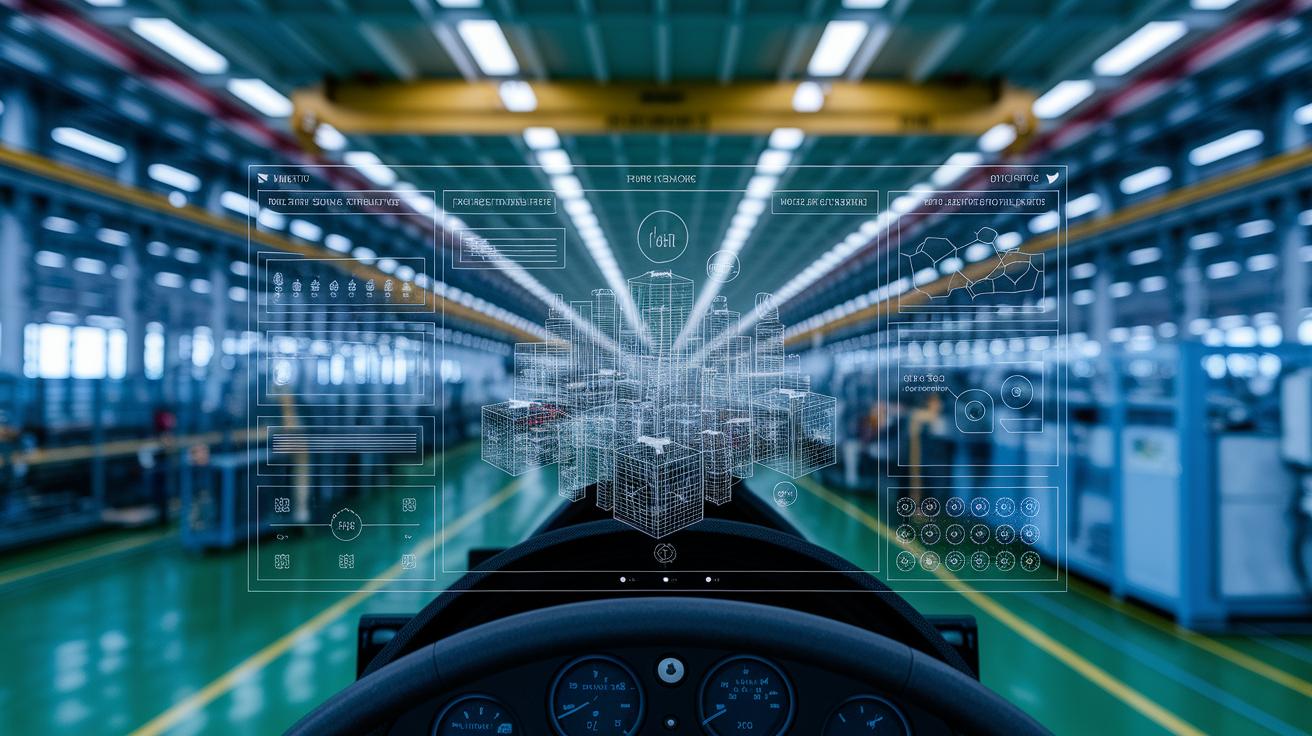
Digital twin technology creates digital copies of physical assets. These virtual models blend real-time system data with predictive maintenance, helping teams spot potential problems before they turn into major issues. With live feedback from monitoring platforms, raw data quickly transforms into practical solutions that keep machines and systems running like clockwork.
They also bring clarity to asset management. By simulating an asset’s entire journey, from the moment it’s built until it retires, companies can plan maintenance more accurately and reduce unexpected downtime. This approach not only slashes repair costs but also boosts overall productivity and safety in various industries.
- Immediate fault detection with live data monitoring
- Proactive repairs driven by predictive maintenance and digital models
- Extended equipment life through full lifecycle simulation
- Safer operations, as seen in Ford’s self-driving algorithm tests
- Faster decision-making thanks to smart data analytics
- Lower operating expenses due to accurate digital simulations
Digital twin technology is changing the game for organizations by making it easier to detect and fix issues quickly. When systems like Rolls-Royce IntelligentEngine and BP’s offshore platform effortlessly track key performance metrics, companies see fewer disruptions and enjoy smoother operations. This blend of enhanced efficiency and cost savings shows just how powerful digital twins can be.
Industry-Specific Applications of Digital Twin Technology
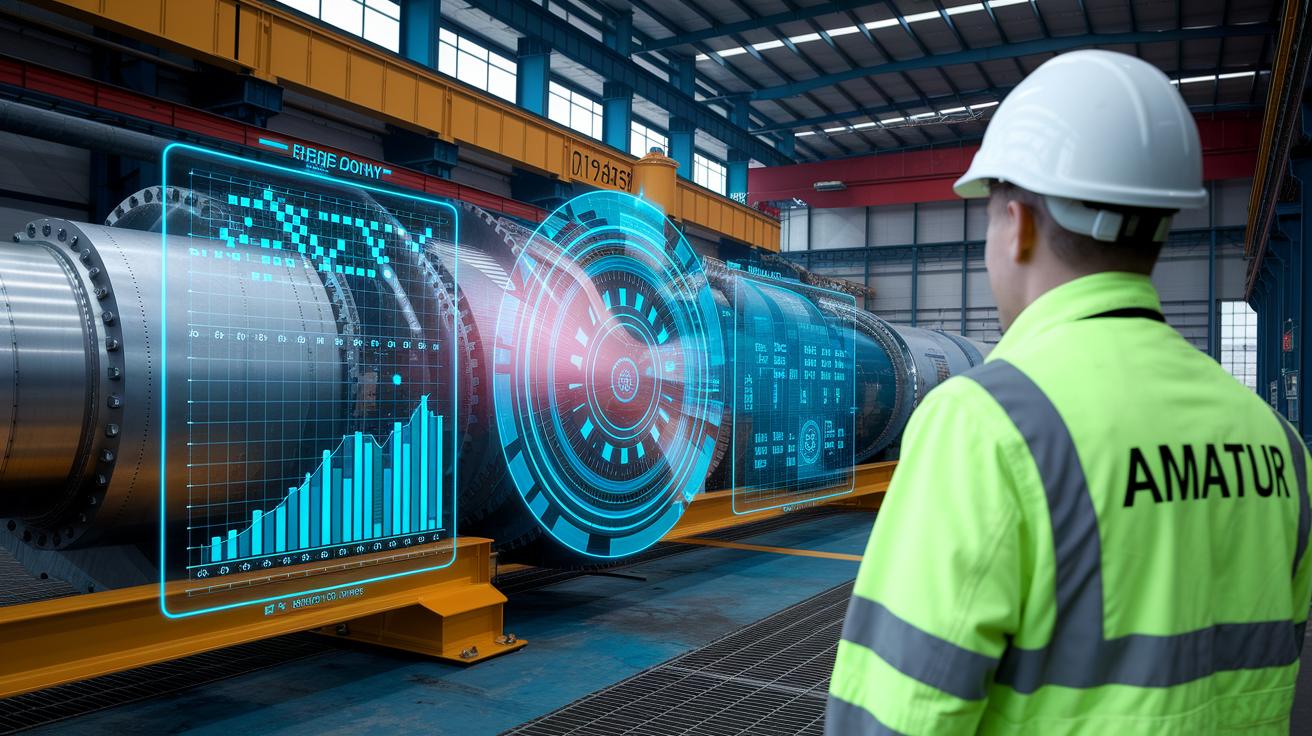
Manufacturing Digital Twin Example
Rolls-Royce’s IntelligentEngine gives you an up-close look at how digital twins are shaking up manufacturing. It gathers live data from a network of sensors so that engineers can see real engine performance as stress levels change. Imagine a mechanic watching a live display during a test run, like watching data do a cool dance with machinery. This hands-on insight helps predict how the engine will behave and guides maintenance decisions, which means fewer surprises and smoother production overall.
Automotive Solutions
Volvo is taking digital twin technology to the streets by creating virtual models of new car designs. These digital twins let engineers experiment with different materials and shapes. Think of it like a chef tweaking a recipe until it's just right. This playful testing helps improve fuel efficiency and overall car performance. In the end, it leads to safer, more reliable vehicles on the road.
Healthcare Simulation Use Cases
In healthcare, companies like Össur are using digital twins to reimagine patient care. They create digital models that mimic a patient’s anatomy to design personalized prosthetics and run diagnostic simulations. It’s kind of like making a digital clone that shows doctors how a treatment might play out for an individual patient. This approach makes healthcare decisions smarter and more tailored to each patient.
Construction Model Integration
London’s Crossrail project uses digital twins to keep the construction process on track. These models offer a clear, real-time view of project progress and help spot issues before they become big problems. With this technology, teams get alerts about any deviations early on, keeping projects within budget and on schedule. For a deeper dive, check out construction tech news. This smart use of digital twins sets the stage for even greater success in future projects.
Implementation Challenges of Digital Twin Technology and Solutions
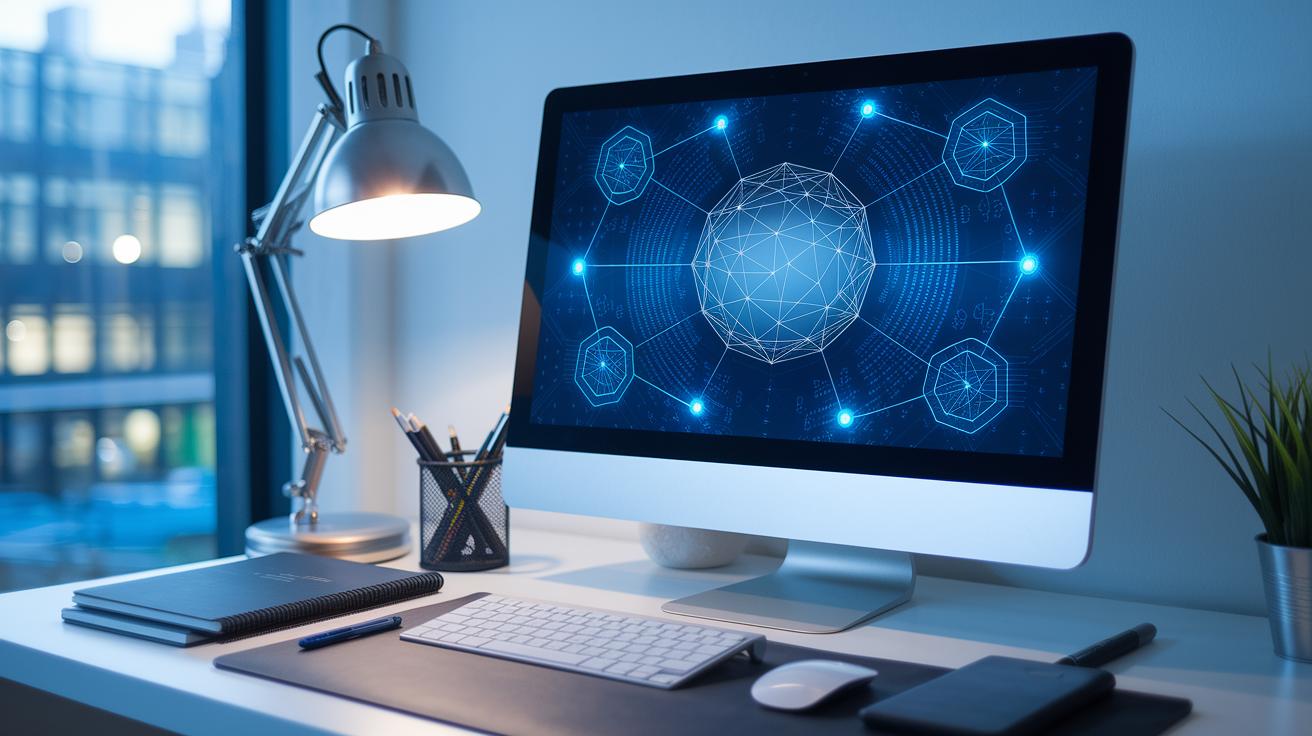
Digital twin technology gives you a real-time glimpse of how systems work. But creating a spot-on digital copy isn’t easy. Old or incomplete BIM models can feed in mixed-up data, slowing down updates and messing with accuracy. Bringing together data from different sources with unified methods helps keep these digital models fresh and reliable.
Connectivity and Data Integration
Many projects stumble when the base data is old or partial. Imagine missing key 3D scans, sensors, or design files, suddenly, real-time monitoring loses its spark. Using managed platforms and clear workflows can help fix this. When you gather all your data in one shared space, everyone stays on the same page and the digital model stays true to the real asset.
Security and Privacy
Sending sensor data over networks can sometimes let sensitive details slip through. That’s why protecting the data is critical. Encrypting it during transfer and using strict controls means only the right people can see or change the digital twin. These steps build trust and keep important information safe, whether you’re in healthcare or managing industrial operations.
Skills and Resources
Setting up a digital twin isn’t a simple setup. It usually needs skilled staff, high-quality 3D scans, and a sturdy IoT system. Organizations have to plan for ongoing training and bring in the right talent to handle these systems. By investing in a capable team and modern technology, companies can overcome early challenges and truly benefit from digital twin technology.
Integration of Digital Twin Technology with IoT and AI
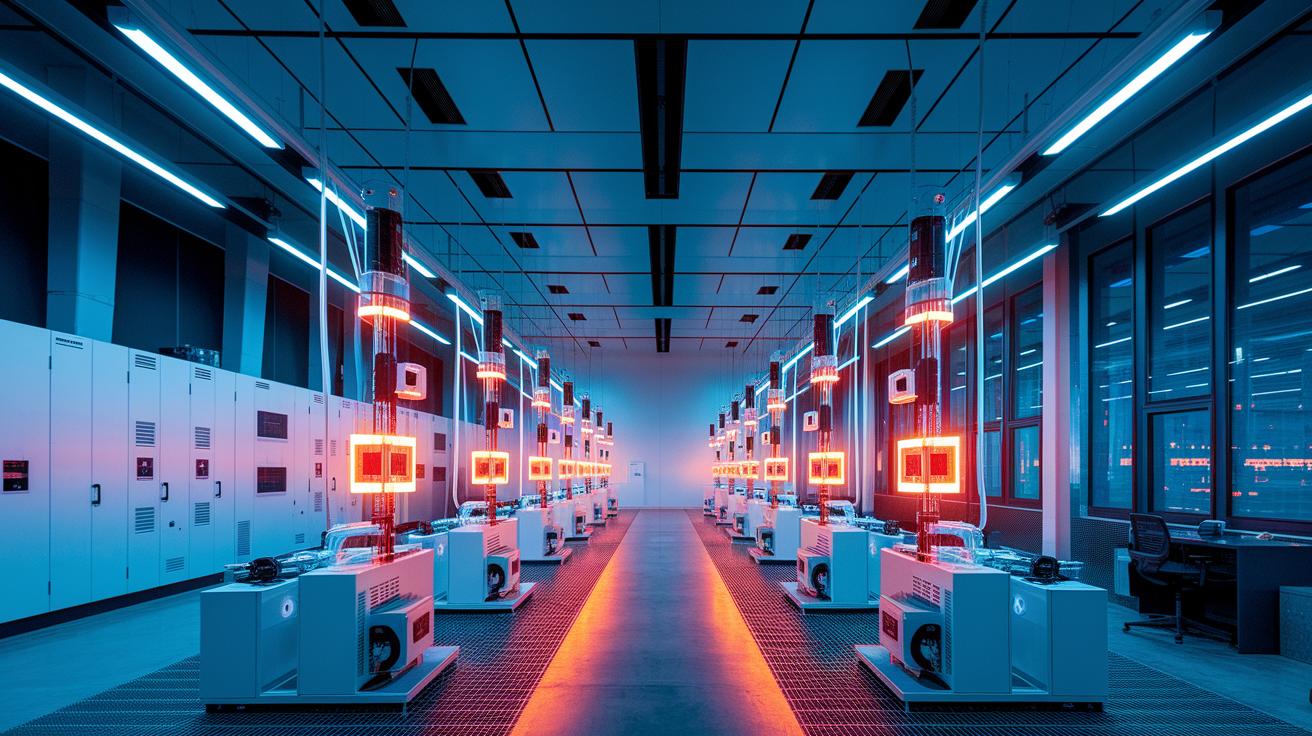
IoT sensor networks form the heart of digital twin systems. A host of sensors gathers live data from real-world equipment. This steady flow of info, from tracking temperature to measuring vibrations, keeps the digital twin in step with its physical counterpart.
Devices like cameras and special monitors add extra layers of detail. They feed varied data into the mix, so the system always shows a complete and updated picture. It’s like each data source brings its own unique twist to help the digital model quickly adapt when changes occur.
Machine learning steps in to make sense of all that data. It looks at both past records and live inputs to spot patterns. In doing so, it learns what to expect and even suggests tweaks to keep the digital model on point. This turns raw numbers into real, usable insights.
Remote monitoring brings another level of control. Operators can check on the system and tweak settings from anywhere. By using automated control loops, these tools help the digital twin stay perfectly in sync with its physical asset, ensuring smooth and efficient performance.
Emerging Trends and Future Outlook for Digital Twin Technology
A study from 2020 shows that the digital twin market could hit $48.2 billion by 2026. That’s a big number and it tells us just how fast these tech tools are growing, thanks to many industries and cool new tech.
Cloud computing is changing the game by letting digital twins live on cloud-native platforms. Imagine a digital showroom that updates in real time without you having to lift a finger. And then there’s edge analytics. This tech works like a super-fast sensor, processing data right where it’s made so that changes show up almost instantly. It’s like watching your favorite app refresh live as you use it.
On top of that, efforts to standardize data models and build systems that speak the same language are really picking up steam. This means different digital twins can work together easily, making everything run smoother and more efficiently.
For business leaders, these trends aren’t just buzzwords, they hint at a big shift. By embracing cloud-based twins, edge analytics, and common standards, companies can run more smoothly today and be ready to cash in on tomorrow’s tech innovations.
Selecting Platforms and Getting Started with Digital Twin Technology

Start by setting your evaluation criteria. Think about how well a platform links with your current systems, grows with increased data, and guards your sensitive information. It's a bit like a chef tasting every spice before preparing a new dish. This way, you pick a tool that not only fits your needs but also encourages smooth teamwork and reliable version control.
Major vendors offer a variety of choices. Big names, including Trimble Connect, Quadri, Agile Assets, and Tekla, provide centralized storage for your models. Meanwhile, some open-source options allow simple simulations with added community plugins. Cloud-based platforms further add flexibility, adapting easily to your team's evolving requirements.
- Figure out your needs for integration, growth, and security.
- Run a small pilot project using the chosen platform.
- Train your team on the main features and workflows.
- Collect feedback and adjust your plan as needed.
Final Words
In the action, this article followed digital twin technology from its core definition through smart real-world applications. It showed how live data and advanced sensors are used to create virtual replicas for improved maintenance and efficiency. We reviewed industry examples from manufacturing to construction, addressed common implementation challenges, and explored how IoT and AI boost these models. The discussion also touched on emerging trends and the need for careful platform selection. Embracing digital twin technology leads to practical insights and stronger digital strategies as you plan for the future.
FAQ
What is a digital twin technology?
The digital twin technology is a virtual replica of physical objects or processes created using sensors and data. It lets users monitor and simulate real-time conditions for improved performance and planning.
What is an example of a digital twin?
The digital twin example includes Rolls-Royce’s IntelligentEngine, which uses sensor data to track engine performance live, mirroring real operations for predictive maintenance and operational insights.
How is digital twin technology used in healthcare?
The digital twin technology in healthcare creates virtual models of patients or medical devices to test scenarios and personalize treatments, enhancing diagnostic workflows and patient care strategies.
Is digital twin a type of AI?
The digital twin is not a type of AI; rather, it integrates AI and machine learning to update models automatically, ensuring that virtual replicas accurately reflect changing physical conditions.
What are the four types of digital twins?
The digital twin types typically include a component twin for parts, a system twin for overall systems, a process twin for operations, and an asset twin for individual products, each offering distinct insights across the lifecycle.
How is digital twin technology applied in manufacturing?
The digital twin technology in manufacturing replicates machinery or production processes to track performance, predict maintenance needs, and optimize operations through real-time data analytics.
What does digital twin software do?
The digital twin software creates and manages virtual models of physical assets. It collects live sensor data, simulates operations, and supports decision-making by visualizing potential performance issues and improvements.
Where can I find digital twin technology resources and courses?
The digital twin technology PDF files, websites, and courses offer educational materials and case studies. These resources, available from academic articles and vendor sites, provide practical insights and step-by-step guides.
What is the history behind digital twin technology?
The history of digital twin technology began with early simulation tools and has evolved with advanced sensors and real-time data integration, gaining momentum from industries that needed dynamic, data-driven models for improved operations.

Tech Trends 2025: Bold Breakthroughs Abound

3 Future Tech Trends Spark Optimism

How to Help Kids Stay Sharp Over the Summer
About The Author
