Top 10 Technology Trends: Inspiring Future Tech
Have you ever wondered if tech has already redrawn our future? Picture a day where smart machines lend extra hands, fast networks keep you connected, and clever robots help make life smoother.
New trends in technology are shaking up how we work and play, turning everyday routines into bursts of fresh ideas and creativity. Our top 10 list shows how these breakthroughs will soon change your work life and leisure moments, giving you a sneak peek into a future that's almost here.
Get ready, because emerging tech is already making waves in our world.
Top 10 Technology Trends Shaping 2025

Technology is changing fast and reshaping the way we work and live. It’s like watching a cool movie unfold before our eyes, where every new scene signals the next big breakthrough.
-
AI Impact Revolution
Machines these days can learn on their own by crunching huge piles of data. This smart behavior boosts productivity and helps make better decisions across different fields. For instance, early 2025 showed that AI could flag diseases earlier than ever before. -
Machine Learning Surge
Advanced algorithms are now handling tasks that used to take ages. They make customer service smoother and improve the inner workings of businesses. It’s no wonder companies are excited over the steady rise in machine learning tools. -
Next-Gen Connectivity Rollout
Have you noticed how ultra-fast networks are changing our daily experiences? These speedy connections make high-def streaming and real-time data transfer a breeze, which is a game changer for remote work and gaming. Experts expect IoT devices to hit about 27 billion connections by 2025. -
Robotics Revolution
Robots aren’t just for sci-fi anymore, they’re handling both simple and complex jobs in manufacturing and logistics. By taking over routine tasks, they help cut costs and boost overall productivity. It’s a practical trend reshaping industries day by day. -
Decentralized Ledger Progress
Blockchain technology is proving its worth by offering secure and transparent transactions. This isn’t just about crypto, it builds trust and streamlines cross-border payments through tokenization, paving the way for secure data exchanges. -
Quantum Processor Promise
Imagine solving problems once thought impossible. Quantum computing is doing just that by enhancing our ability to simulate complex scenarios and secure data through advanced cryptography. Early models already hint at breakthroughs that could accelerate research. -
Green Innovation Strategies
Tech is going green, and that’s good news for both the planet and your wallet. By embracing sustainable energy solutions and smarter waste management, companies are cutting emissions and saving costs. Investments in green technology are on a clear upward trend. -
Network Security Protocols
Cybersecurity is getting a major upgrade with real-time, AI-powered protection systems that stand guard on our digital fronts. With cyber threats continuously evolving, these smart defenses work hard to keep our data safe and sound. -
Remote Computing Developments
As remote work becomes the new norm, distributed computing platforms are stepping in to boost processing speeds and reduce delays. Modern IT systems have never been more agile, processing far more data than a few years ago. -
Augmented Perception Integration
Blending real-world views with digital information, augmented reality tools are redefining user experiences. From training sessions to everyday interactions, these tools make data come to life, and market trends show that demand for immersive interfaces is only growing.
Keeping up with these trends is key for anyone who wants to stay ahead of the curve. Whether you’re a business leader or just a tech fan, these shifts are setting the stage for a more connected and innovative future. Stay curious, keep exploring, and get ready for tomorrow’s breakthroughs.
AI and Machine Learning Surge in Technology Trends
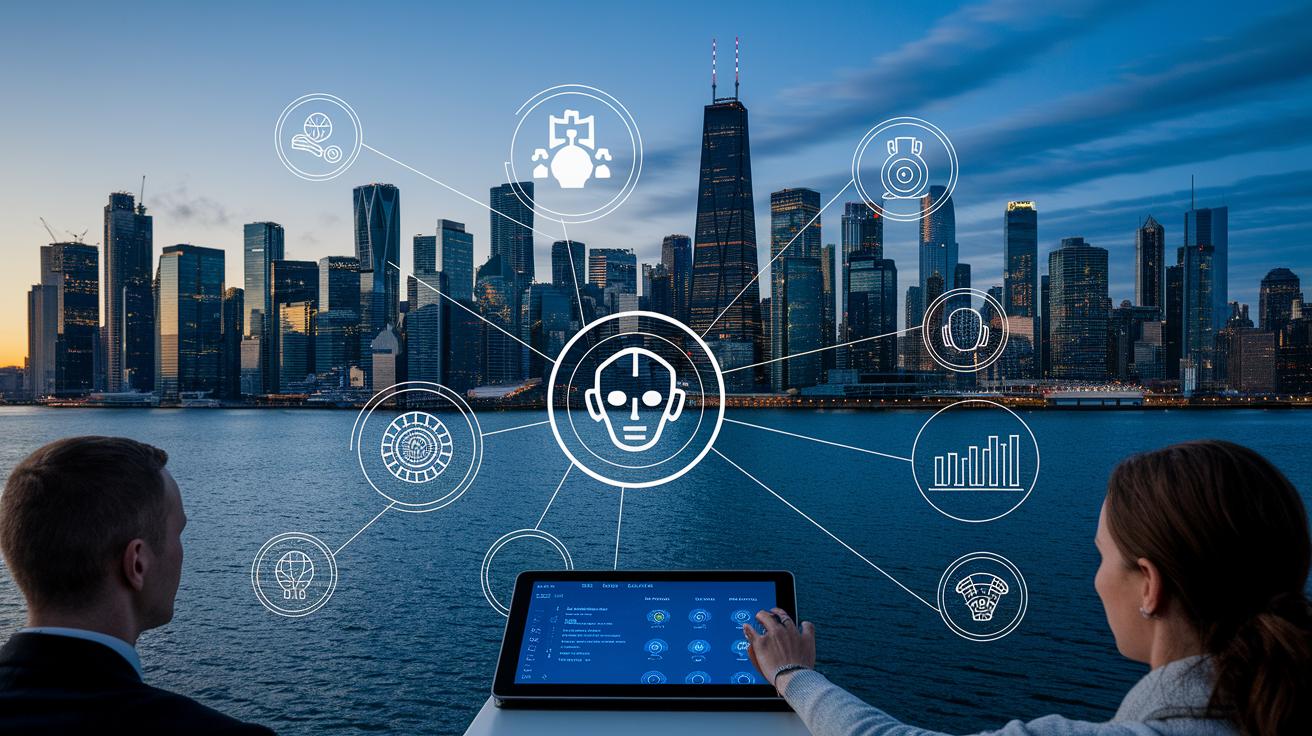
AI and machine learning are shaking up our everyday tasks by learning from huge piles of data. They work behind the scenes to predict what you might need next and tweak services while you're using them. Imagine a system that picks up on your spending habits and handles your bill payments automatically.
New AI methods, like agentic AI and multimodal systems, let gadgets work more on their own. They power cool tech such as voice assistants that tune into your tone, self-driving cars, and smart fraud detectors. Picture a voice helper that not only listens to you but also adjusts how it answers, making interactions smoother and tasks quicker.
Many industries are diving into predictive analytics to help them make better decisions. With tools like predictive modeling and neural networks, companies can detect health issues early or boost trust in financial services. These smart systems are constantly learning and refining what they do, opening doors for new business opportunities and smoother operations.
Next-Gen Connectivity and Network Evolution Trend

The latest 5G-Advanced and early 6G setups are changing how our mobile networks work. They offer super-fast speeds and very little delay, which means watching HD videos, playing games, or even doing remote surgery happens smoothly. Ever notice how technology used to be clunky? Now it fits into our lives so seamlessly, you hardly even realize it.
Today’s ambient computing mixes perfectly with a growing internet of things to create tech that almost disappears into the background. Experts say there will be over 27 billion connected devices by 2025. This explosion in devices makes our internet stronger and helps power new ways of working remotely.
Quantum Processor Promise in Top Technology Trends
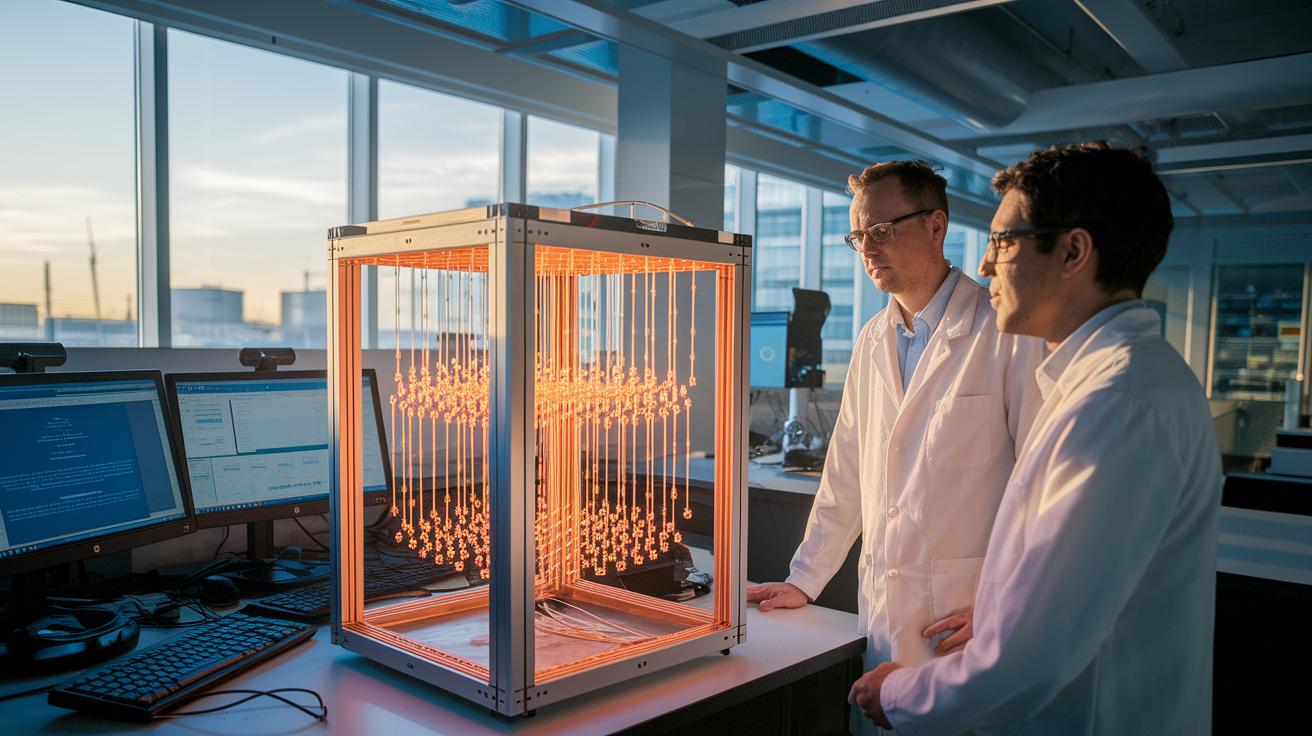
Quantum computing is moving from the lab to real-life tasks that matter. Researchers are using it to crack tough puzzles like optimization challenges, protect our data with new types of encryption, and mimic complex systems. They even use something called twin simulation modeling. This method is like running two similar virtual experiments at the same time to predict how quantum systems behave, pretty cool, right?
Today’s quantum chips are already making an impact. They help sort out resource allocation, run financial models, and secure information with fresh, innovative methods. Imagine a chip that can solve a brain-teaser in seconds, faster than you finish your coffee. This kind of breakthrough shows just how much quantum tech could change everyday work and business as we know it.
Early experiments to mix quantum processors with more traditional computing systems have hit some bumps in the road. Engineers are figuring out how to keep these delicate quantum bits stable while getting them to work smoothly with classic computers. The vision is a team-up between quantum and normal processors, each doing what they do best. Eventually, this could mean faster, smarter solutions for complex problems, leading us into a new era of computing that’s both efficient and exciting.
Edge Computing and IoT Integration Among Technology Trends

Edge computing brings data processing right to where the data is made. This means your tasks, like streaming videos or using smart gadgets, happen quickly without long waits. In 2023, data centers processed 374 EB per month. That’s a huge jump from 155 EB per month in 2018, showing how speedy these systems are getting.
AIoT networks mix artificial intelligence with smart devices to gather sensor data instantly. For example, smart cameras and environmental sensors quickly send their data so systems can react fast. Remote computing now uses nearby edge nodes to handle heavy jobs and manage network traffic more wisely. Quick then? It’s like an instant boost of insights that helps businesses decide on their next move right away.
| Year | Data Center EB/Month | IoT Connections (Billion) |
|---|---|---|
| 2018 | 155 | 15 |
| 2023 | 374 | 20 |
| 2025 | 450 | 27 |
Cybersecurity Improvements in Top Technology Trends

Cyber threats are on the rise, from everyday scams to even state-supported cyber operations. Businesses are now forced to ramp up their network defenses. New privacy rules are pushing companies to handle data more carefully and run regular compliance checks. This all-in-one approach paints a clear picture of what strong security looks like today.
Behind the scenes, innovative AI systems using zero-trust models and CTEM (that stands for Continuous Threat Exposure Management) offer real-time protection. CTEM keeps a close eye on network activity while ensuring strict access controls, kind of like storing your most private files inside a digital safe. Encryption methods secure data both when it’s stored and during transfers. Automated compliance checks jump into action to spot any unusual patterns. Think of a zero-trust network as a place where you must prove your identity at every door.
- AI-driven threat detection
- Zero-trust network systems
- Continuous threat monitoring (CTEM)
- Data encryption during storage and transit
- Automated compliance checks
Green Innovation Strategies and Sustainable Tech Trends
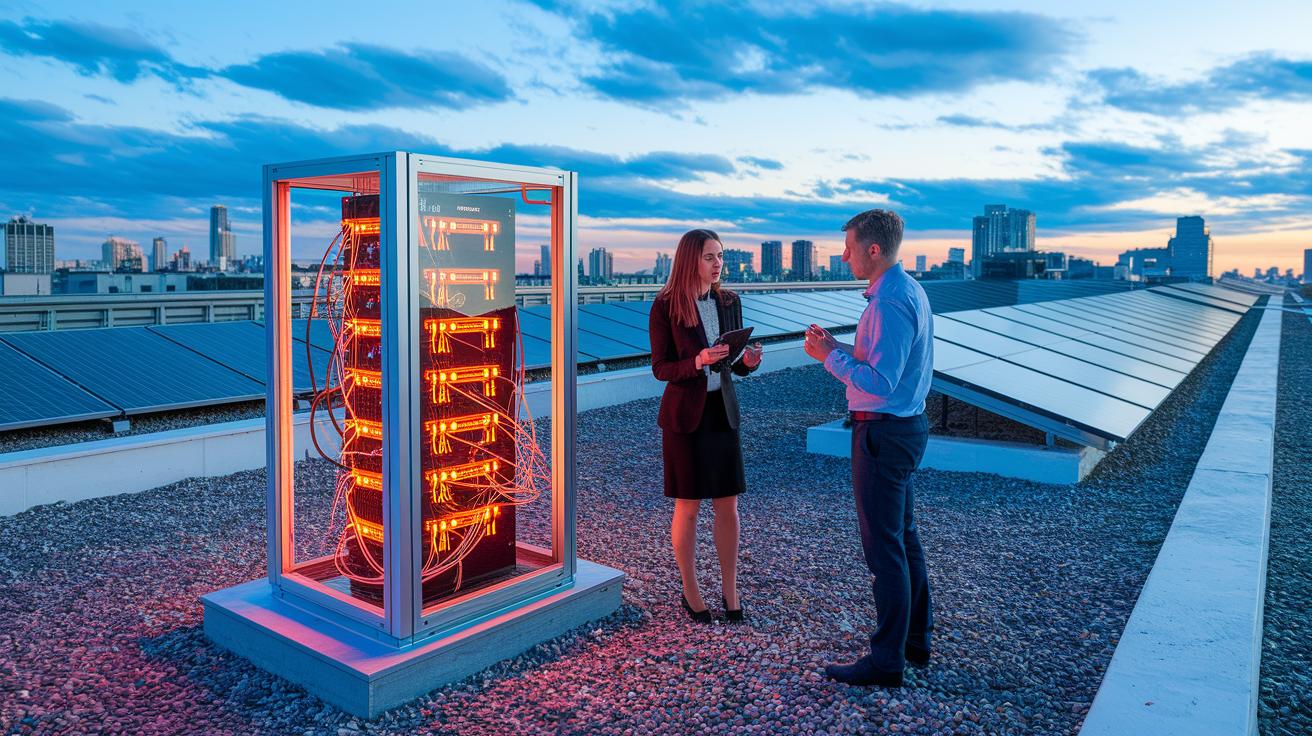
Climate tech is changing the game with cool tools like carbon-aware computing and smart energy management systems that help clean up waste and boost eco-friendly manufacturing. Companies are mixing renewable energy with sensor networks to cut energy use and keep costs low. Think of it like your fitness tracker counting steps, smart systems monitor energy flow in a similar way.
Venture capital is jumping on board too, with over 25% of funds now heading to climate tech startups. This focused cash flow is fueling smarter production methods and cutting down harmful emissions. Investors see a chance to earn money while helping the planet stay green.
Big industry names are also upgrading factories by installing energy-efficient setups and sensor networks that check usage in real time. These practical steps not only lower bills but also shrink carbon footprints, carving a path for a leaner and greener market.
Automation, Robotics, and Autonomous Systems in Top Technology Trends

Businesses are quickly adopting robotic process automation as they blend AI and machine learning into everyday work. Smart systems now take over routine tasks, which means fewer mistakes and faster operations. This switch lets teams dive into creative projects while automation handles the boring, repetitive work. In short, companies enjoy smoother workflows and boosted productivity.
The robotics revolution is making waves across many industries. In busy warehouses, robotic arms and mobile units team up with people to lift heavy loads and speed up order processing. And in sectors focused on worker safety, advanced exoskeletons help reduce strain and fatigue during tough jobs. These innovations not only boost safety but also expand the limits of what machines can do alongside humans.
In transportation, self-driving vehicles and drones are changing the way we move goods. They constantly choose the smartest routes, cut down delivery times, and even help save energy. By reacting to real-time conditions, these autonomous fleets keep supply chains running smoothly in both busy cities and quiet rural areas.
Immersive Media and Extended Reality Among Technology Trends
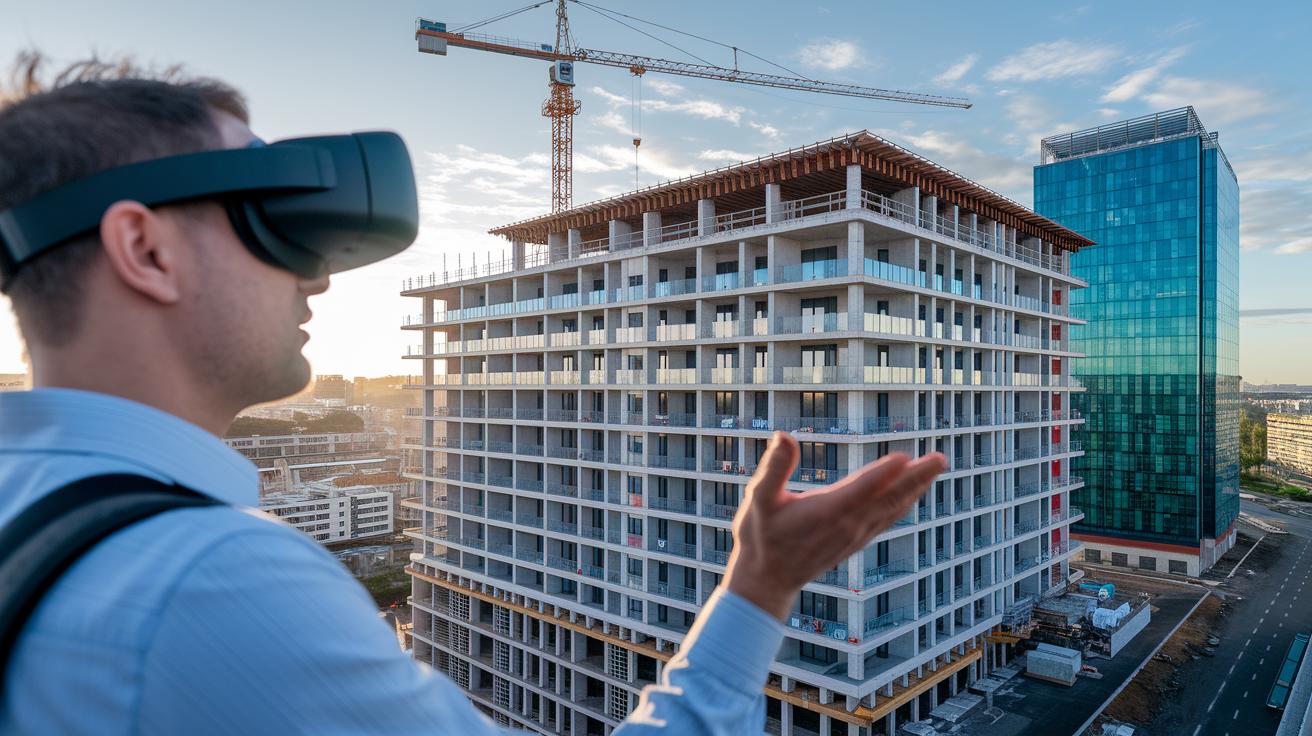
Spatial computing mixes digital elements with our real world, creating fun mixed reality experiences. Mixed reality is more than just virtual simulations, it adds interactive digital images into our everyday spaces. Picture a designer wearing a headset to view a 3D model of a building while on a construction site. Did you know that architects once used only paper blueprints? Now, immersive tech lets them see structures in real time.
In businesses and schools, extended reality is changing how we learn and work together. Companies now hold virtual training sessions where employees can interact with digital prototypes, and classrooms transform into interactive labs with vivid visuals that help students understand difficult ideas. Imagine a student exploring the human body by virtually moving through its systems. This hands-on approach makes tough subjects feel clear and easy to grasp.
Wearable devices and gesture-controlled interfaces are also shifting the way we interact with tech. With a simple movement, you can control digital environments, making tasks feel natural and immediate. Think of a technician who adjusts controls on a digital panel with just a swipe of the hand. It’s like the tech is part of you, smooth, engaging, and refreshingly simple.
Blockchain Progress and Fintech Service Innovation in Technology Trends

Enterprise blockchain helps make supply chains safer. It uses tokenization and smart contracts to secure transactions. Companies now rely on decentralized ledgers to check records, cut fraud, and boost data accuracy. For example, a retailer might track shipments in real time with blockchain. Before these secure systems, record tampering was common and trust was hard to build.
Cryptocurrency systems are also evolving. They are changing network designs and tightening rules to handle more transactions during busy times. Did you know some setups can now process thousands of transactions every second? That’s a big shift from the past and shows how general blockchain trends differ from more specialized fintech services.
Fintech startups are shaking up cross-border payments too. They use decentralized ledgers to lower costs and speed up settlements without middlemen. In many cases, what once took days now clears in just a few clicks. This change highlights the unique edge fintech innovations bring, offering faster and smoother services for global finance.
Biomedical Breakthroughs and Advanced Materials in Top Technology Trends
New advances in gene editing have sparked a fresh era in biomedical research. Researchers are now tweaking genes with true precision to create breakthrough therapies and give a boost to innovative biotech startups. Think of it like discovering a secret route to healing, a tool that fixes genetic errors before they even cause trouble.
Nanomaterials and advanced composites are also changing the game for medical devices. Engineers are designing implants that are both light and incredibly tough, meaning better performance with fewer side effects. For example, picture a small sensor hidden in a nanocomposite prosthetic that adjusts to your body’s temperature and movement for extra support. These new materials don’t just add strength; they help devices mesh perfectly with our bodies.
By early 2025, telemedicine took off, completely transforming how we get healthcare. Fresh medical gadgets, packed with sensors and smart AI, now send real-time patient information straight to clinicians, so they can instantly track and react to health changes. Even remote consultations have improved, with advanced devices continuously monitoring important health signs, making treatments quicker and more effective. This lively mix of biotech and smart materials is paving the way for a whole new level of patient care.
Final Words
In the action from AI breakthroughs to blockchain evolution, this article unraveled key insights behind the top 10 technology trends. Smart robotics, quantum processing, immersive media, and secure networks all play a part in shaping a future rooted in progress. Green innovation and next-gen connectivity added fresh angles that help explain how technology can boost business and digital work. These trends bring a blend of expert analysis and real impact, setting a positive stage for what lies ahead.
FAQ
Q: What are the top 10 technology trends today?
A: The top 10 technology trends today include AI innovations, machine learning, next-gen connectivity, quantum computing, edge innovation, improved cybersecurity, sustainable tech, robotics, immersive media, and blockchain progress that are reshaping industries.
Q: Where can I find the top 10 technology trends in the world?
A: The global top 10 technology trends highlight breakthroughs such as AI and next-gen connectivity, offering a comprehensive look at digital advancements that drive efficiency and market growth.
Q: Is there a PDF for the top 10 technology trends?
A: A PDF version of the top 10 technology trends is available online, providing easy access to concise summaries and data insights that help readers understand each trend’s market impact.
Q: What technology trends are predicted for 2025 and 2026?
A: The trends for 2025 and 2026 focus on AI surges, quantum processor progress, advanced network connectivity, and enhanced cybersecurity, each promising to redefine market strategies and operational innovation.
Q: Which new technologies are in high demand?
A: Technologies in high demand include AI-powered tools and next-generation connectivity systems that offer faster processing and smarter automation, fueling efficiency across multiple industries.
Q: What are the top 10 emerging technologies in 2025?
A: The top 10 emerging technologies in 2025 span from AI-driven solutions and robotic automation to quantum computing and green tech, each offering key benefits and transformative market data.
Q: What are the latest technologies in the software industry?
A: The latest software technologies feature AI enhancements, machine learning integration, robust cybersecurity measures, and cloud innovations that drive more agile and secure digital solutions.
Q: What are Gartner’s top 10 strategic technology trends for 2026?
A: Gartner’s top 10 strategic trends for 2026 include advancements in AI, improved connectivity solutions, immersive tech, and blockchain evolution, all designed to reshape business strategies and foster innovation.

Adas Technology Empowers Safer Driving Innovations

Web3 Technology: Inspiring Decentralized Future

3 Future Tech Trends Spark Optimism
About The Author
