Rfid Technology Fuels Modern Industry Progress
Have you ever thought about how radio waves could change the way we work? RFID does just that. It uses tiny chips with radio signals to send key details instantly, kind of like scanning a product at checkout without anyone even lifting a finger.
Businesses love it because it cuts down on manual checks and makes everyday operations smoother. With RFID, routine tasks become easier and more connected, showing us that even simple tech can lead to big improvements.
RFID Technology Overview and Core Capabilities
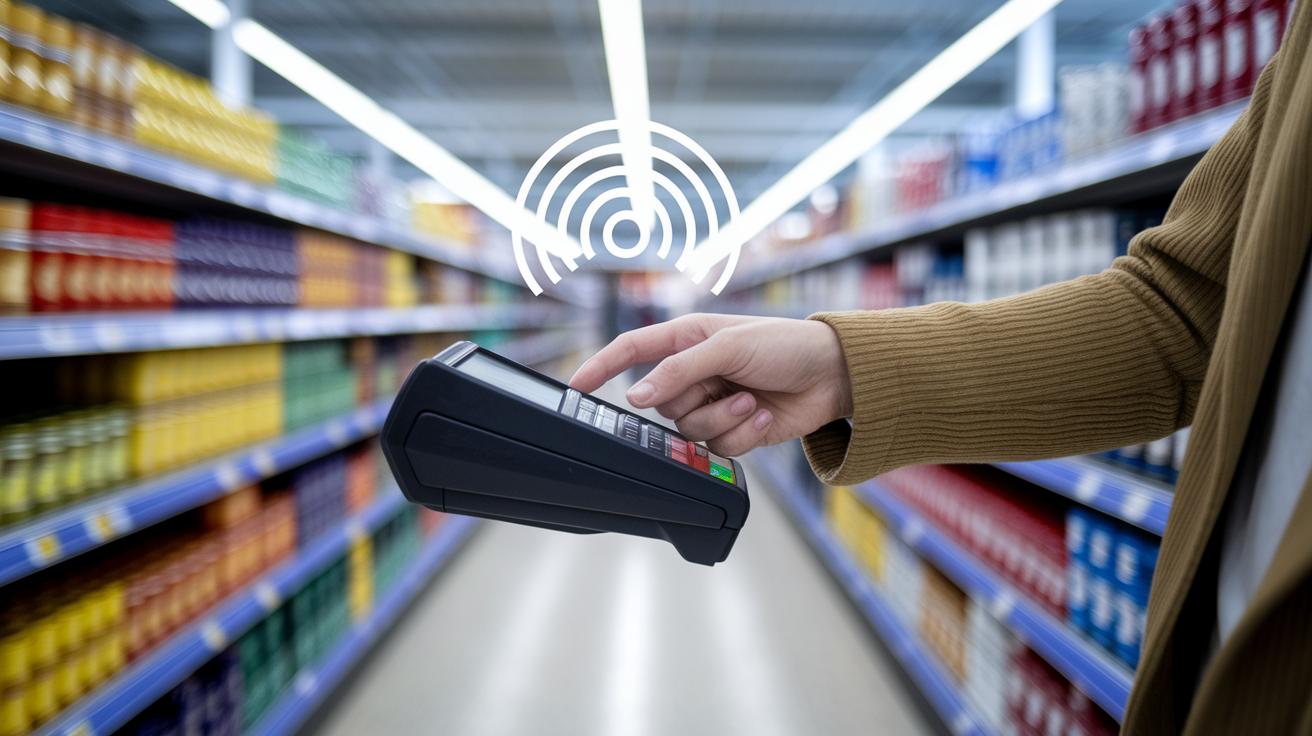
RFID stands for Radio-Frequency Identification. It’s a neat technology that uses radio waves to read codes from tiny chips embedded in tags or cards, letting you store and pull up information from a distance. Think of it like scanning a product at checkout without the hassle of manually reading a barcode. One retailer even boosted their sales by 5% simply by using RFID to track inventory in real time.
At its core, RFID works very simply. A reader sends out radio waves that power a small chip (often called a tag), which then sends back its stored data. This creates a smooth connection between physical items and digital records, making inventory tracking and supply chain management a breeze. Businesses have seen a drop of 10–15% in labor hours by automating these routine tasks, which also helps cut down on errors.
But RFID isn’t without its challenges. The start-up costs for the necessary hardware and software can be steep, and performance issues can crop up in tricky environments, like places with high humidity or lots of metal. Imagine a warehouse where temperature and moisture might throw off tag performance; it’s a reminder to always plan and test thoroughly before going all in.
In short, RFID systems are a vital tool for modern asset tracking. They offer a practical way to boost supply chain visibility in many settings, from retail checkouts to highway toll collections, helping today’s industries keep up with fast-paced, digital-driven progress.
How RFID Systems Work: Core Components and Data Flow
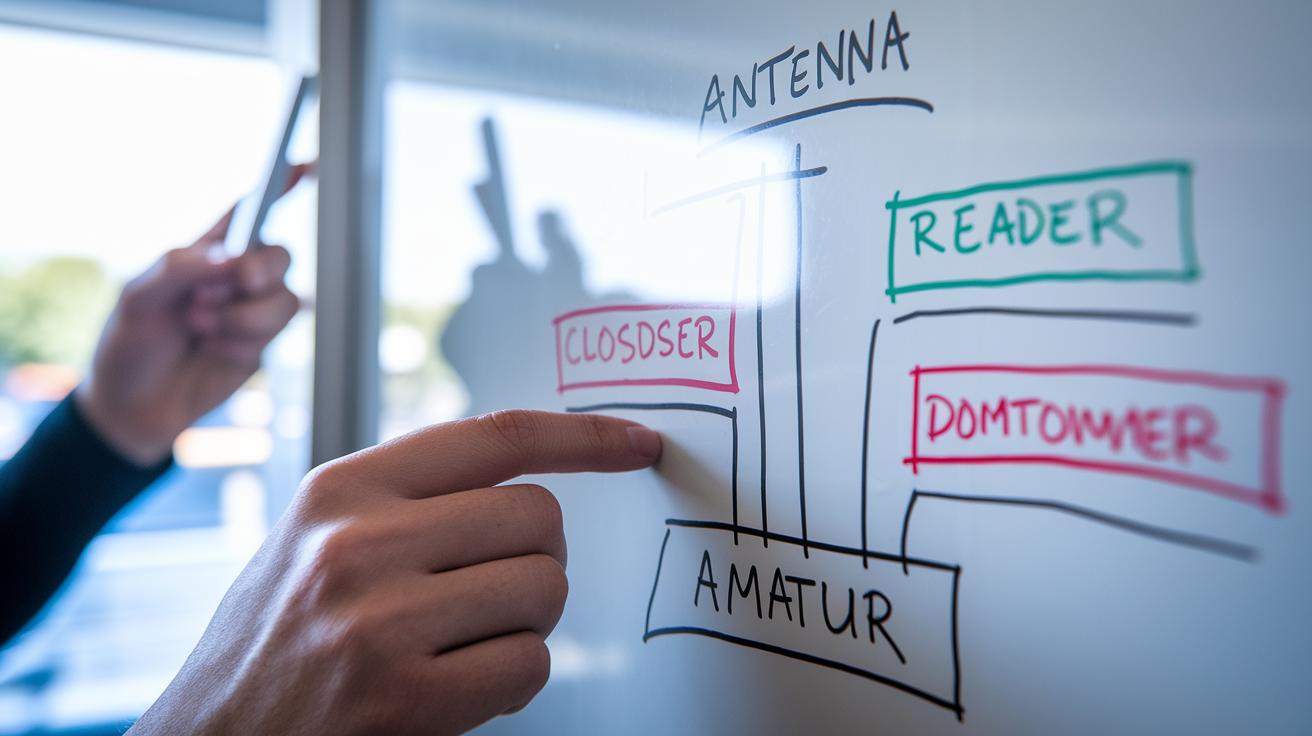
Every RFID system relies on three main parts. First, you have the antenna, which sends out radio waves that create a field to power the tag. Then comes the transceiver, also known as the reader, which captures those radio waves and decodes the tag’s information. Finally, the transponder, or tag, stores the electronic data and sends it back using radio signals.
Imagine a small card with a tiny chip and antenna that, when scanned, updates inventory records in a flash. For example, a single RFID tag on a product can alert a system immediately if a shipment breezes past a set temperature range.
Different data protocols, which depend on the frequency band (like LF, HF, or UHF), decide how far the signal travels and the speed at which data moves. Advanced systems may even use embedded sensors so that the tags can check conditions like temperature or motion. This way, a warehouse can know not only the location of an item, but also whether it's being stored under the best conditions.
As radio waves bounce back and forth, the entire system keeps digital records in sync with physical products, smoothing out processes and boosting reliability.
Comparing Passive, Active, and Semi-Passive RFID Technologies

Passive RFID tags depend on the reader’s electromagnetic field to power up. They’re very affordable and last a long time but have a limited range. Think of it like scanning your concert ticket, the tag only activates when hit by the reader's signal. This makes them an excellent choice for straightforward tasks like animal ID or event ticketing.
Active RFID tags, however, come with their own battery. This extra juice lets them reach far and transmit data much faster. Imagine a logistics setup where each delivery truck is tracked live. Although powerful, the added cost and battery needs mean these tags are best for real-time asset tracking over large areas.
Semi-passive RFID tags hit a sweet middle ground. They use a battery to keep their internal circuits running but wait for the reader to wake them up before sending data. This results in better performance and longevity than passive tags without the full expense of active ones. They’re often used for environmental monitoring, where capturing details like temperature is key.
| Tag Type | Advantages | Drawbacks | Typical Use Cases |
|---|---|---|---|
| Passive | Low cost, long life | Shorter read range | Ticketing, animal ID |
| Active | Long range, fast data transfer | Higher cost, battery dependency | Real-time asset tracking |
| Semi-Passive | Better performance, balanced cost | Compromise in range | Environmental monitoring |
RFID Frequency Bands and Technical Specifications
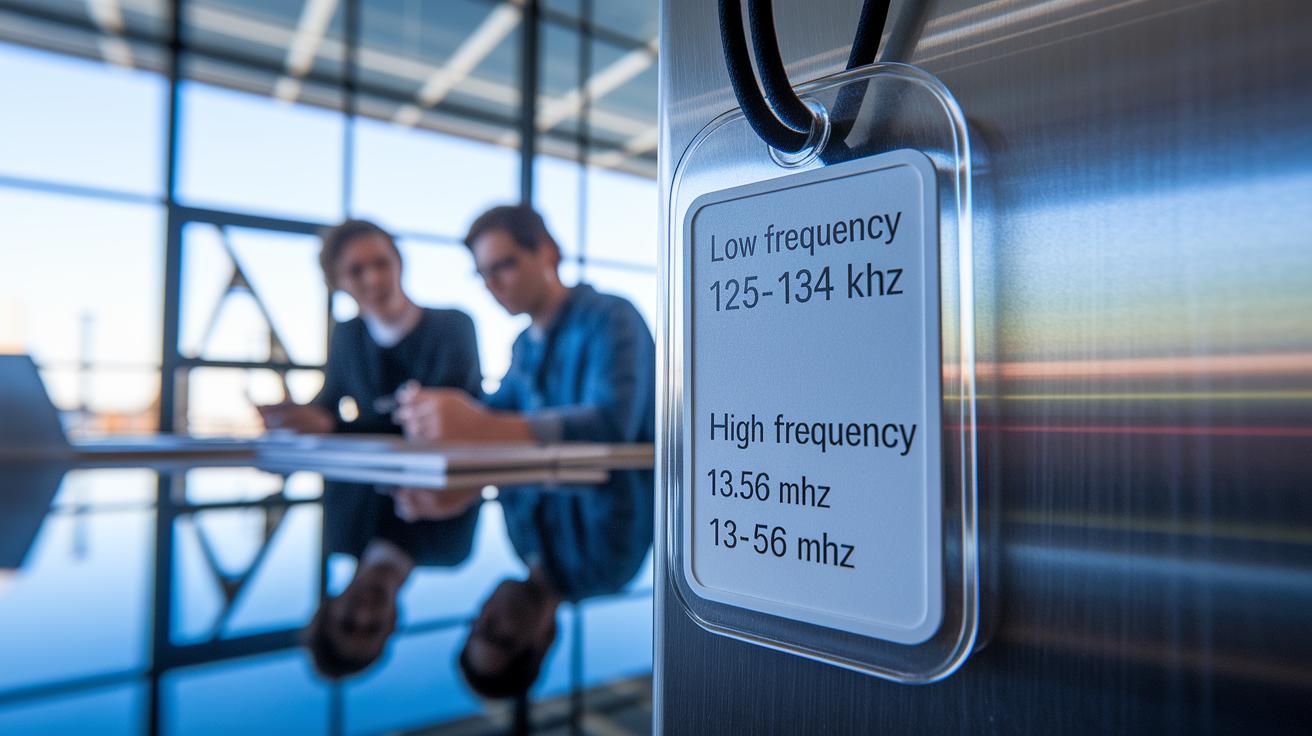
RFID systems use three main frequency bands that directly affect how well they work. Think of it like a set of tools where each one is designed for a specific job. The Low Frequency band, which runs between 125 and 134 kHz, is great for close-up reads and can handle tricky spots like liquids or metals. Picture a livestock tag that works reliably even when conditions are less than perfect.
High Frequency, operating at 13.56 MHz, gives you a decent read range and speed. It’s the choice for everyday tasks like contactless payments and NFC services. Imagine tapping your card at a subway turnstile. The tag sends the necessary data quickly enough so you breeze through without any hassles.
Ultra-High Frequency covers the 860 to 960 MHz range and is built for longer distances and faster data transfer. This band shines in environments like warehouses where you need to track lots of items over a big area.
Calibration also plays an important role in keeping everything running smoothly. Simple tweaks like adjusting power levels and making sure antennas are lined up correctly can clear up the signal. Think about a distribution center that repositions its antennas just right, so data flows perfectly through a busy warehouse.
It’s worth remembering that the environment can affect system reliability too. Temperature swings, high humidity, electromagnetic noise, and physical barriers can all make a difference. That’s why experts continue to work on tougher tag materials and durable sensor housings. By focusing on smart calibration and robust designs, RFID systems can keep delivering reliable performance in the real world.
Industry Applications of RFID Technology
Retail stores are using RFID to make work smoother and keep better track of their items. By tagging products, they watch their stock in real time. Imagine a supermarket catching a low-stock item before it hits the shelf. One interesting fact: a retailer boosted sales by 5% simply by avoiding stockouts with RFID tracking. Plus, RFID helps checkouts run faster by scanning items automatically, which cuts wait times and slashes manual errors.
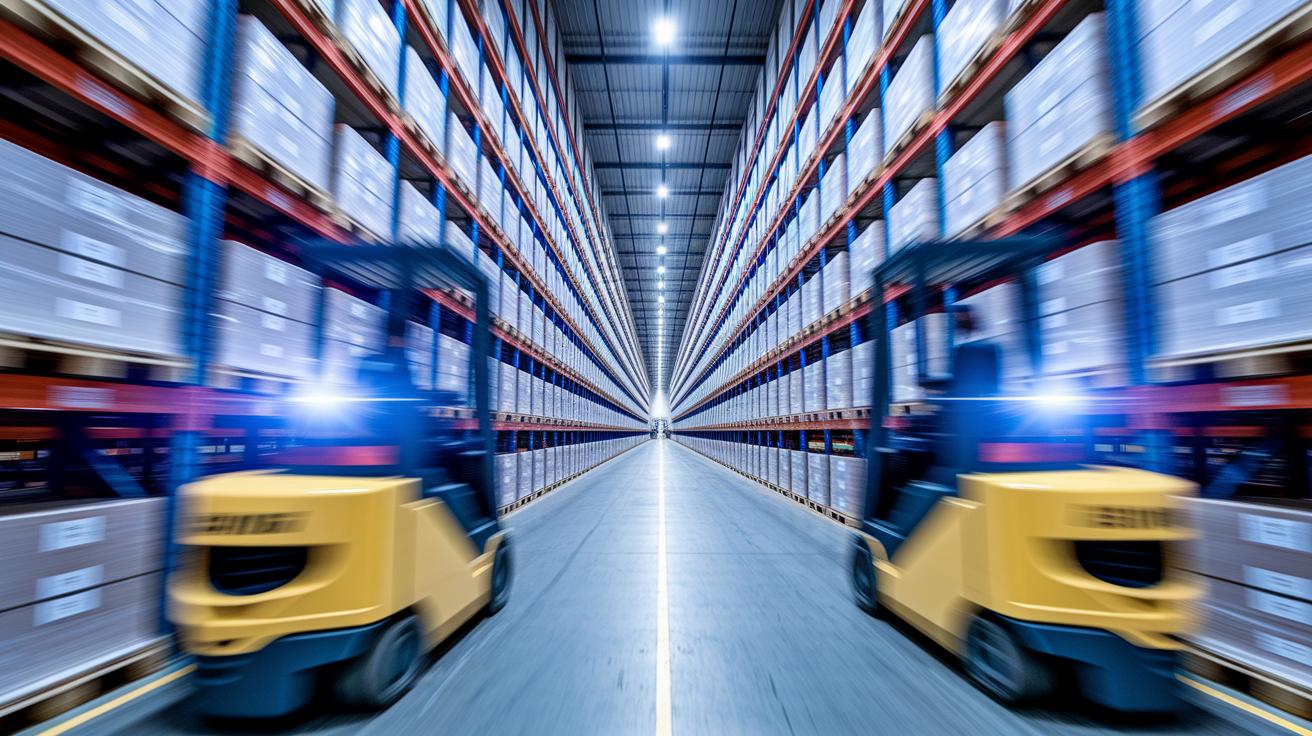
Logistics really depends on RFID for both automation and security. Warehouses tag shipments and track every move, even noting each truck’s entry and exit. Picture a busy distribution center where RFID logs every truck’s arrival and departure with precision. This setup strengthens supply chain security and alerts managers if there are any unexpected delays or route changes. One shipping company even used RFID to perfectly coordinate its loading docks so that every product ends up on the right truck at the right moment.
Healthcare reaps big benefits from RFID too. Hospitals tag essential equipment, like wheelchairs and infusion pumps, so they’re easy to locate at a moment's notice. This simple step boosts patient care and streamlines equipment management. For instance, if a vital device leaves its designated spot, tracking monitors alert staff instantly to keep patients safe.
Even the automotive world is getting on board with RFID for smoother operations. Toll systems let vehicles breeze through checkpoints without stopping, and assembly lines track parts to ensure every component is put together correctly and on time. RFID also plays a role in tasks like animal identification, smart shelf monitoring, and automated fare collection in public transport, all of which add up to more efficient and reliable processes.
RFID Technology Fuels Modern Industry Progress

Rolling out RFID isn’t a shoot-from-the-hip move. You need a clear plan right from the start. Begin by walking through your site to figure out where to place the tags and readers. Think of it like a warehouse manager checking every corner to spot dead zones where signals might fade.
Next, map out your budget. You’ll have to invest in tools such as inventory software, portable or fixed readers, tags, antennas, and integration services. Picture a logistics supervisor poring over numbers to find the most cost-effective way to cover every inch of the site.
Keep an eye on the environment, too. A quick look around for things like metal racks or even liquids can help avoid future hiccups. It’s like inspectors checking for spots where radio waves could be blocked, letting you adjust the reader positions to ensure smooth data flow.
Try rolling out the system in steps. This phased approach gives everyone time to get used to the new setup while iron out any early issues. One store manager even noted how this step-by-step process helped the team learn faster and cut down on downtime during the switch.
Lastly, schedule regular maintenance to keep everything running smoothly. Routine check-ups help spot problems before they snowball, and good training keeps the team sharp. With these simple steps, your RFID system can keep pushing industry progress forward every day.
Security, Privacy, and Compliance in RFID Systems

RFID systems can face trouble from unauthorized scanning and cloning, so boosting the security of each tag is crucial. Think of it as each tag doing its own quick ID check, like a secret handshake that only trusted devices share. This small step keeps many curious intruders at bay.
Then there’s the mutual challenge-response. Here, both the tag and the reader ask, "Who are you?" before any data gets passed along, making sure both sides are really who they say they are. We also use data encryption like AES, which scrambles the information into secret codes. Even if someone snags the data, it stays unreadable.
Privacy is covered too. Techniques such as hash locking work like a digital padlock that only opens for a trusted key, and blocker tags add another safety layer by stopping unwanted access. Some anti-skimming wallet designs even shield passive tags from stray signals.
Finally, these systems have to follow rules set by regulators like GDPR in Europe and FCC in the U.S. Regular audits and updated threat checks keep everything secure and ensure that both private data and public safety are always protected.
Future Trends and Innovations in RFID Technology
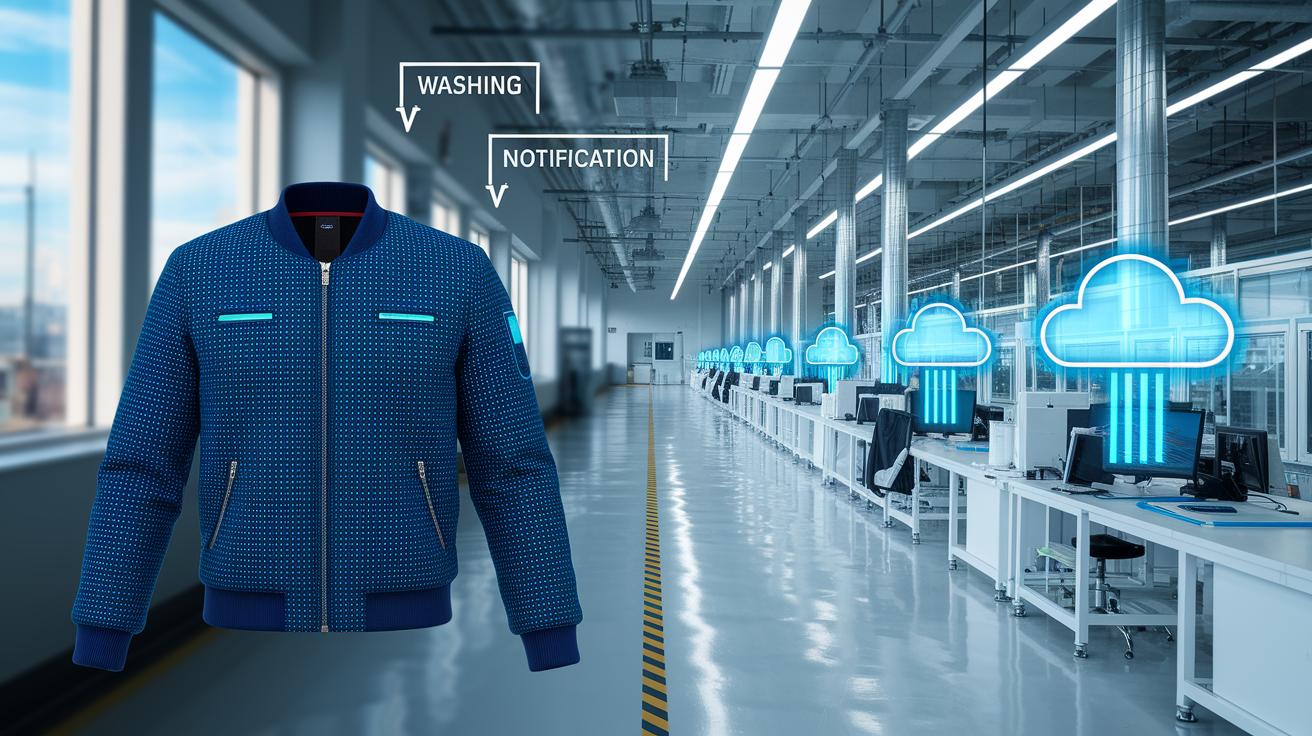
RFID technology isn’t stuck in the past. Soon, we’re likely to see ultra-small, affordable tags woven into everyday things like your favorite t-shirt, a simple package, or even a cool accessory. Imagine a smart jacket that gives you a little nudge when it needs a wash, proof that these tiny tags can really change how we live day to day.
The magic really happens when RFID meets the Internet of Things. Picture a busy factory where sensors alert the maintenance team the moment a machine hiccups. Cloud data syncing makes sure everyone stays updated about assets and inventory around the globe, keeping things smooth and responsive.
Edge computing is also stepping into the spotlight. Think of a warehouse where local devices crunch RFID data on the spot, adjusting stock levels instantly without waiting for far-off servers. This setup speeds up decisions and cuts down on downtime, making operations leaner and more efficient.
RFID isn’t stopping there. It’s branching out into new areas like indoor navigation and wearable tech. Researchers are busy boosting tag sensitivity and even exploring ways to let them capture energy from their environment. All these innovations hint at a future where next-generation tracking touches almost every part of our connected world.
Final Words
In the action, we examined how rfid technology works, from basic components to data transfer, and how it boosts operational efficiency. We covered differences between passive, active, and semi-passive tags, compared frequency bands, and explored real-world uses in retail, logistics, healthcare, and more.
We also reviewed setup challenges, solid security measures, and bright future trends in this space. With clear best practices and smart planning, every tech leader can tap into these insights for forward-thinking success.
FAQ
What is RFID technology used for and what are some applications?
The RFID technology is used for remote data collection via radio waves. It powers retail checkout, logistics tracking, toll collection, healthcare asset monitoring, and many other automated systems.
How does RFID work?
The RFID system sends data from tags to readers using radio waves. The antennas power the tags, and the readers capture the data for processing in a seamless workflow.
What is an RFID tag and what does RFID card mean?
The RFID tag is a tiny chip with a built-in antenna that stores data. RFID cards use this same technology to allow quick, contactless data exchange during payments or access.
Does my credit card have RFID?
Many credit cards incorporate RFID or contactless features for tap-and-pay functions, which speeds up transactions and reduces physical contact during payments.
What are the advantages and disadvantages of RFID?
RFID offers quick, real-time tracking and accurate inventory management but may have high initial setup costs and occasional interference issues in challenging conditions.
What is an RFID technology wallet and how does it protect users?
An RFID wallet protects your RFID-enabled cards by blocking unauthorized scans. It acts as a shield during transactions, making your sensitive information less accessible to unwanted devices.
Is RFID theft a real thing?
RFID theft is a real risk, since unauthorized scanning can capture data. Security measures like tag-level authentication and blocker techniques help reduce potential losses during wireless transactions.
Signs Your AC Needs Replacement: An Alabama Homeowner’s

What Is Computer Simulation Technology: Clear Insight

Introduction To Information Technology: Inspiring Overview
About The Author
