What Is Computer Simulation Technology: Clear Insight
Ever wonder how businesses can try out new ideas without building anything physical? They use computer simulation, a tool that imitates real-world processes on a computer. This lets experts see how things might work in a safe, digital space.
It’s a pretty smart move. It saves time and money by giving companies a sneak peek at potential issues before any real changes happen. In this article, we’ll walk you through the process step by step. You'll learn why so many industries have found this approach to be a game-changer.
what is computer simulation technology: Clear Insight
Computer simulation technology uses computer programs to mimic real-life activities by blending smart computing with engineering methods. It helps businesses in manufacturing and process industries improve efficiency by testing operations in a safe digital space. By turning real processes into simple digital models, companies can predict outcomes and fine-tune production without running full-scale tests.
It works by using special software that mimics real-life scenarios. This software builds math models that cover the key details while skipping parts that might slow things down. For example, a simulation might focus on the main engine functions and ignore smaller factors. This approach gives quick, clear feedback, letting engineers refine designs without the trial-and-error of physical prototypes.
Virtual studies are great when real-world tests are risky or costly. They let researchers and engineers try out different scenarios, like checking if a building can handle stress or testing car safety, without endangering people or equipment. For instance, running crash simulations helps engineers assess vehicle safety under various conditions, all in a safe and controlled digital setting.
Key Components and Types of Computer Simulation Technology
Computer simulation technology builds a digital twin of real systems using clear instructions and smart math. It lets you test ideas like car crash safety or how a machine handles stress, all without expensive or risky physical setups. The trick is balancing detailed accuracy with smart shortcuts that keep the calculations fast.
Key Components
At its heart, simulation tech relies on algorithms and math models that follow real-world laws. First, you feed in data that describes every important detail of a system. Then a computer repeatedly runs these instructions to predict outcomes. Analysis tools help engineers check results, like spotting excessive vibrations or unexpected heat. A good simulation focuses on the key parts while skipping noncritical details. Early simulations with simple coding even paved the way for innovations in safety testing by reducing the need for physical crash prototypes.
Primary Simulation Types
- Continuous Simulation models systems that change smoothly over time.
- Discrete-Event Simulation tracks specific changes at defined moments.
- Agent-Based Modeling simulates individual parts interacting in an environment.
- Monte Carlo Simulation uses random sampling to estimate various outcomes.
Choosing the right simulation depends on your goal. Continuous simulations work best for systems with gradual changes, while discrete-event ones shine when events happen at clear points. If individual interactions matter, agent-based models are the ticket; and if randomness is a big factor, Monte Carlo methods deliver the insights you need. In short, understanding these methods helps teams pick the right approach for accurate predictions and smarter design decisions.
Historical Evolution of Computer Simulation Technology

Back in 1943, ENIAC first came to life at the Moore School of Electrical Engineering. It started out doing ballistic trajectory calculations, and that little machine really paved the way for all modern digital modeling. Early on, engineers used these basic simulations to test their ideas without having to build actual prototypes. For instance, they could mimic motion in a design, which helped make projects both safer and more efficient.
Today, computer simulation covers a whole bunch of areas like static and dynamic analysis, vibration studies, thermomechanical checks, thermal management, low-frequency electromagnetics, and multiphase flow. This smart approach lets engineers focus on the key parts of a design while skipping over the less important details that could slow things down.
Modern advancements have made simulation tools easier to use than ever. Now, many web platforms come with built-in automated RFQ/RFP workflows and AI-driven boosts. These tools seamlessly connect with design software, helping streamline the entire process. Events like the NAFEMS World Congress highlight how these trends are cutting costs and saving time, making it possible for teams across all industries to design faster, safer, and with even more insight.
Applications of Computer Simulation Technology
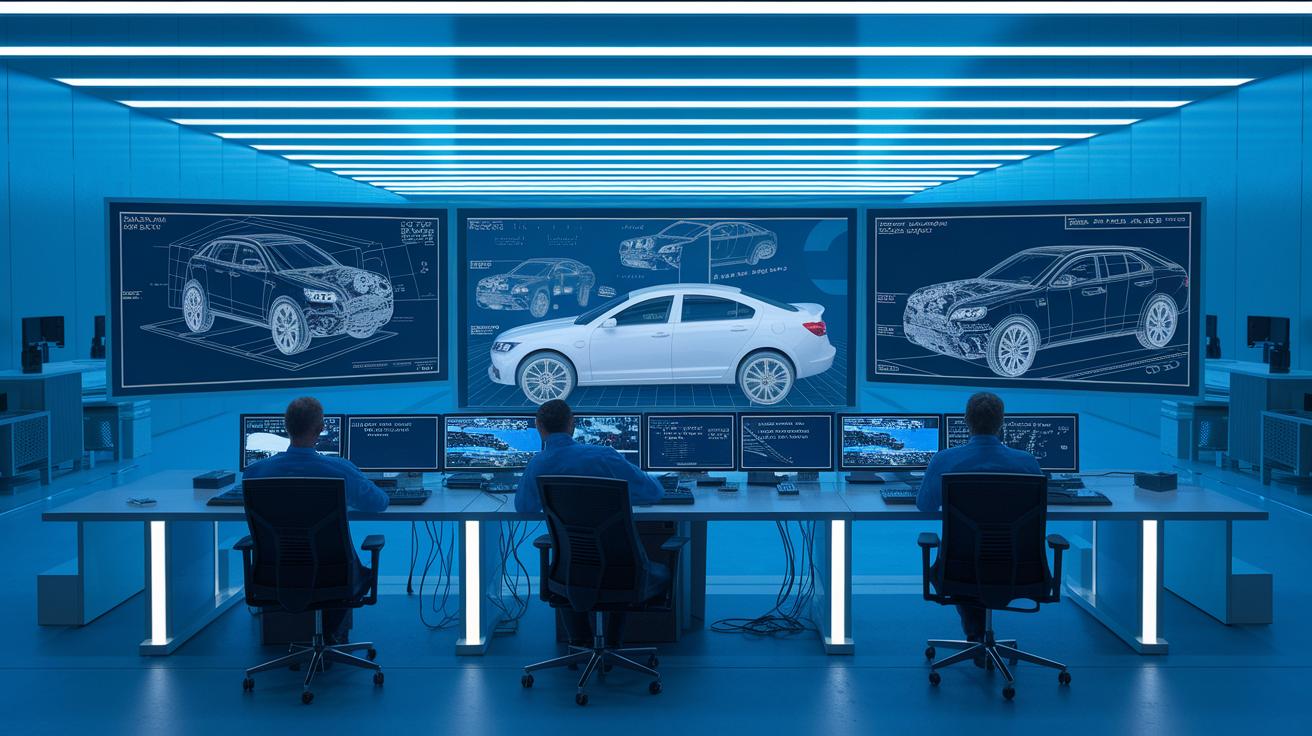
Computer simulation technology helps solve real-world problems without the need for risky physical trials. Companies in sectors like automotive, aerospace, manufacturing, energy, and urban planning now test their ideas in a safe, digital space. For instance, engineers run virtual crash tests on vehicles to boost safety or simulate air flow over wings to fine-tune aircraft designs. Public health teams even use simulations to assess health code compliance, making inspections much more effective. This digital approach not only speeds up results but also cuts down on costs and dangers.
| Field | Use Case | Outcome |
|---|---|---|
| Healthcare | Ebola & cancer treatment models | Improved planning & discovery |
| Automotive | Crash scenario simulations | Reduced prototype costs |
| Environmental | Earthquake & air quality forecasts | Enhanced disaster preparedness |
| Physics Research | Black hole analog experiments | Insight into quantum-gravity connections |
| Public Safety | Health code violation prediction | 14% more violations found |
These simulation methods greatly lower the risks tied to physical experiments. When engineers explore ideas in a controlled digital space, they dodge the hazards and high costs that come with real-world accidents. This means repeated testing can spot problems early on, leading to safer, more optimized designs. Whether it’s perfecting a crash test or fine-tuning environmental forecasts, simulation technology strikes the right balance between speed and accuracy. And really, who doesn't want designs that are both reliable and cost-effective before being taken to the field?
Advantages and Limitations of Computer Simulation Technology

Computer simulations can really cut your risks and costs. They let engineers and designers experiment in a digital space where there's no danger of breaking expensive prototypes or risking lives. For example, running a virtual crash test over and over gives quick feedback so teams can decide what works best without burning too much cash. It speeds up the design process and lets you tweak things early on for a smoother overall project.
But here's the catch. Digital models might miss some important details if they make things too simple. Even a tiny error in the input data or how the algorithm is set up can lead to results that misguide rather than help. Since simulations depend on accurate data, any gap can skew the predictions. This shows why it’s so important to fine-tune your model and double-check everything to avoid making decisions based on faulty info.
The key is balancing what simulations do well with their limits. Regular checks, updated data, and a bit of iterating here and there can make a huge difference. Running several simulations and comparing their outcomes helps catch mistakes early. When simulations are used as one tool among many, you get the benefits of speed and lower costs while keeping costly errors at bay.
Future Trends in Computer Simulation Technology
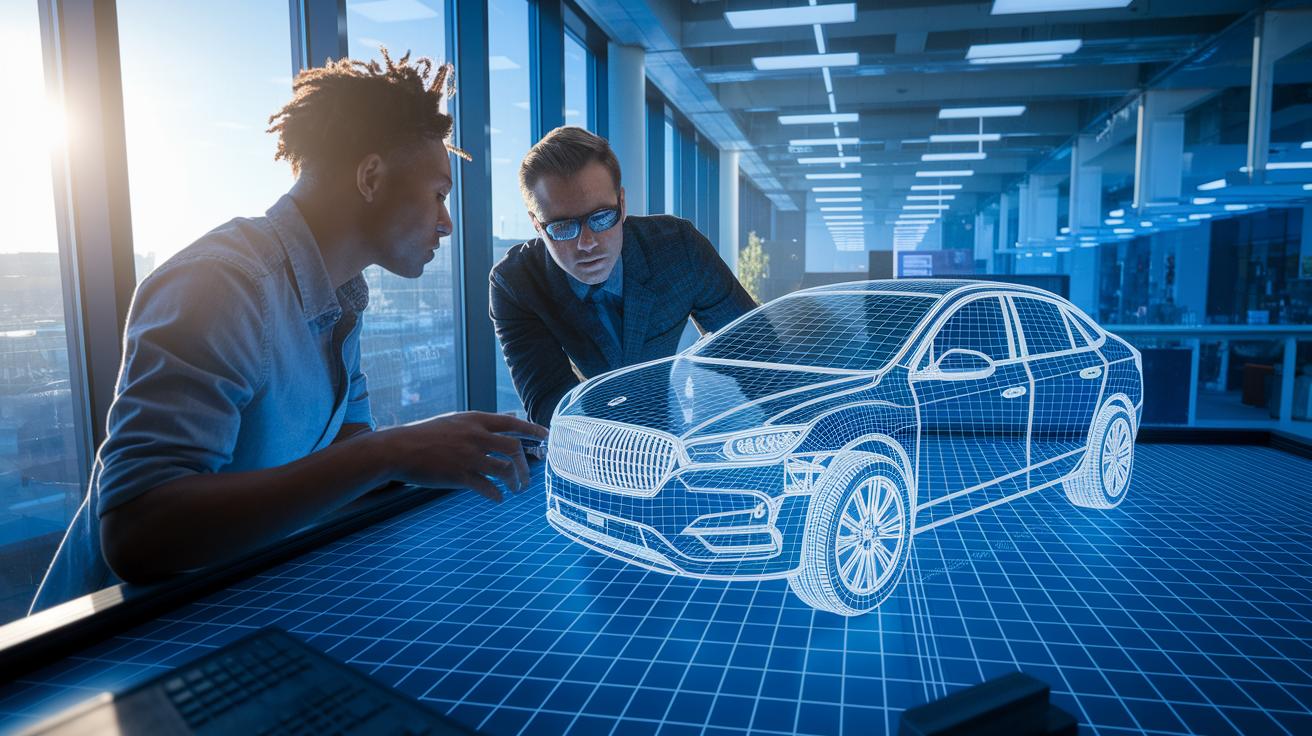
Digital transformation in computer-aided engineering is charging ahead in a big way. New AI models and built-in simulation features are turning advanced tools into something any engineer can use. Imagine running a car crash test or checking a building’s safety with just a few clicks, even if you’re not a coding expert. It really feels like the doors have opened wide, lowering costs and taking the work out of hard, complex processes.
New tools in simulation are also shaking up fields like healthcare and materials science. Picture a tool that creates a virtual twin of a tumor, letting cancer researchers try billions of treatment options to find the best one. Then, there’s the next generation of molecular modeling that simulates how materials act at speeds that seem almost magical. And brain scientists are buzzing about new ways to model neuron growth, a key step toward better treatments for diseases like Alzheimer’s.
These trends are set to change entire industries. Think about weather models that use huge amounts of data to make forecasts way more accurate, helping communities and businesses plan better. As simulation technology grows stronger, it’s paving the way for smarter design and testing across the board. In the end, we’re looking at a future where our decisions come from real, data-driven trials that save money and lower risk.
Final Words
In the action, this article broke down computer simulation technology fundamentals, from its definition and key components to its historical roots, diverse applications, and clear look at benefits and limits. Each section gave a simple yet detailed glimpse into what is computer simulation technology, shedding light on how virtual tests can lower risks and cut costs without physical trials. We ended with a look toward future innovations that promise safer and faster results. Positive shifts in tech keep our work dynamic and our curiosities alive.
FAQ
Q: What are examples of computer simulation technology in real life?
A: The computer simulation examples in real life include crash tests in automotive design, weather forecasting models, and virtual experiments in healthcare. These models allow safe and cost-effective testing without physical risks.
Q: How is computer simulation used in education?
A: The computer simulation technology in education helps students visualize and interact with complex processes, making abstract theories concrete. It offers a hands-on way to explore scientific concepts in a safe, controlled setting.
Q: What is computer simulation software?
A: The computer simulation software comprises specialized programs that digitally mimic real-world processes with algorithms and models. They let users test scenarios and study outcomes quickly while saving time and reducing practical risks.
Q: What are the advantages of computer simulation?
A: The advantages of computer simulation include reduced risk, lower costs, and faster testing. This approach allows users to experiment freely, optimize designs effectively, and make informed decisions without real-world trial constraints.
Q: What are common uses for computer simulation?
A: The computer simulation uses span automotive crash tests, urban planning, aerospace design, and healthcare modeling. They enable engineers and researchers to evaluate scenarios, improve designs, and avoid costly physical tests.
Q: What are the types of computer simulation?
A: The types of computer simulation cover continuous simulation for dynamic systems, discrete-event simulation for specific event changes, agent-based modeling for autonomous interactions, and Monte Carlo simulation that uses random sampling to estimate outcomes.
Q: Why does Elon Musk think we’re in a simulation?
A: The idea behind Elon Musk’s view is that advanced simulations could someday create realities nearly identical to actual life. He proposes that future societies might run simulations of their past, raising the idea that our reality is simulated.

Computer Science Vs Information Technology: Bright Career Insights

Computer Technology Courses: Inspiring Future Success

Tech Lead Role: Empower Your Future
About The Author
