Digital Twin Technology Boosts Business Innovation
Ever wonder if you could try out new ideas without messing up your real system? Digital twin technology helps businesses create a virtual version of their operation so they can catch issues before they turn into big problems. It uses live data to mirror the actual setup, much like running a simulation where you see what might go wrong and fix it early. With a digital twin, companies make faster, smarter decisions and dodge unexpected, expensive surprises. In simple terms, it boosts everyday work by making processes smoother and more reliable.
Understanding Digital Twin Technology: Definition & Key Features
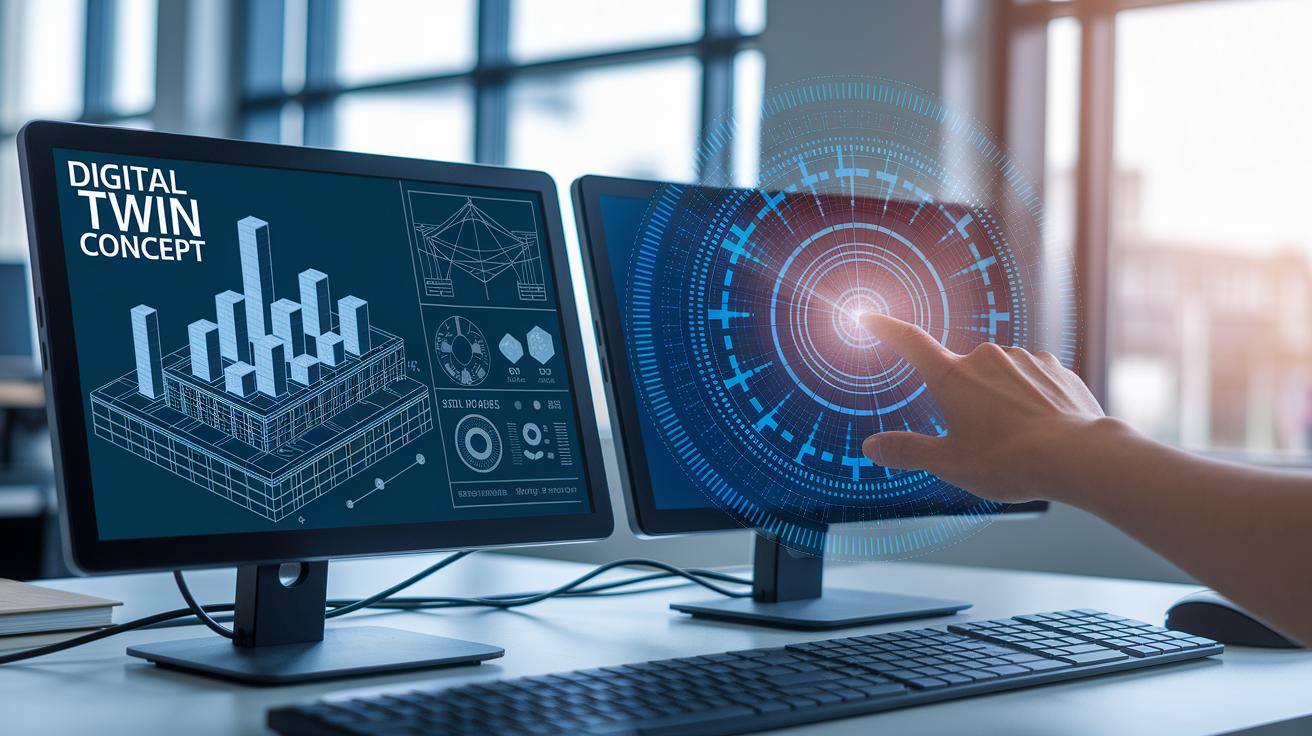
Digital twin technology is all about creating a virtual copy of real systems and processes. This lets you test ideas, see setups in action, and fine-tune operations without touching the actual system. It uses live data from sensors, 3D models, and building information platforms to keep the virtual model updated with the latest details. For more background, check out the link in the text.
At its heart, digital twin technology works in two simple steps. First, it gathers the important facts, like equipment lists, asset hierarchies, and supplier info. Then it uses metadata to show how every piece connects with the others. Think of it as a puzzle where each piece represents part of your business. Imagine a digital twin that runs a factory's production line. Even a tiny misalignment in a machine can be spotted early with live data, which helps prevent costly downtime. Little data points truly add up to big efficiency gains.
Key parts of this tech include sensor integration, real-time data feeds, and intelligent analytics that process information quickly. The model learns and adapts over time, offering neat insights into how operations are performing well. A smooth flow of accurate data is crucial, messy info from sources like ERP or SCADA can weaken its impact. Here’s a quick look at the essentials:
| Key Feature | Description |
|---|---|
| Live Updates | Instant data that keeps the model current |
| Data Integration | Brings together info from multiple systems |
| AI Insights | Smart analysis for better operational decisions |
Digital twin technology isn't just a mirror of your physical system, it’s a powerful tool that drives business innovation and improves how things run.
Digital Twin Technology Architecture & Key Components
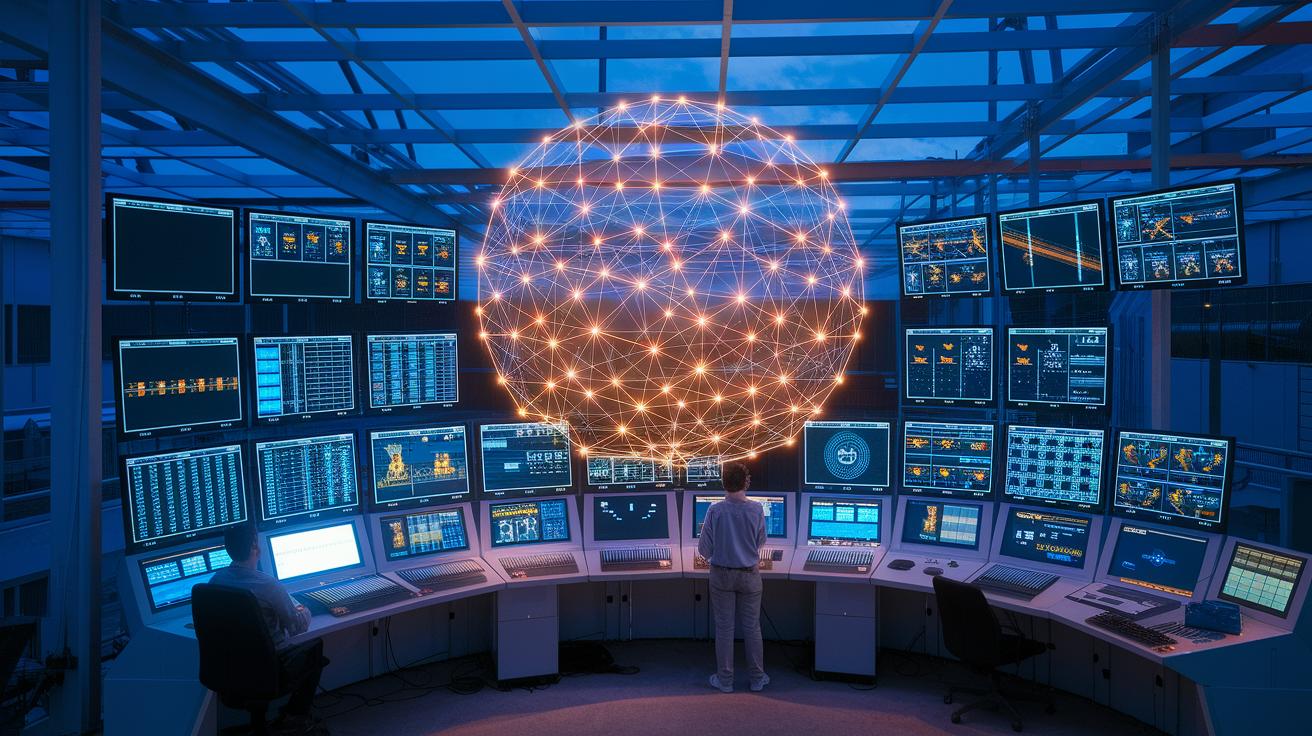
Digital twins rely on a strong, clear data backbone. They use important records like assets, detailed equipment layouts, parts inventories, and supplier info. Plus, they add extra details, known as metadata, to show how everything connects. Think of it as a map where each point tells you how one piece links to another, for example, a sensor reading a machine's temperature can affect other parts of the system.
The system gathers info from many sources like ERP platforms, maintenance tools, and control systems. Sensors keep the twin updated in real time, much like a navigation app that shows live traffic. And here’s the exciting part: by using AI and smart analysis, these setups go from basic monitors to clever helpers that guide decision making.
Key elements include:
- A solid mix of master data and metadata that gives a complete view of assets.
- Sensor feeds that capture real-time readings.
- Data pipelines that bring different systems together to form one clear digital model.
- AI tools that crunch numbers and offer helpful insights.
For example, when a sensor on an essential asset sends a reading, it sets off an AI alert, much like a smoke detector warning you of hidden danger.
Industrial Applications of Digital Twin Technology in Manufacturing
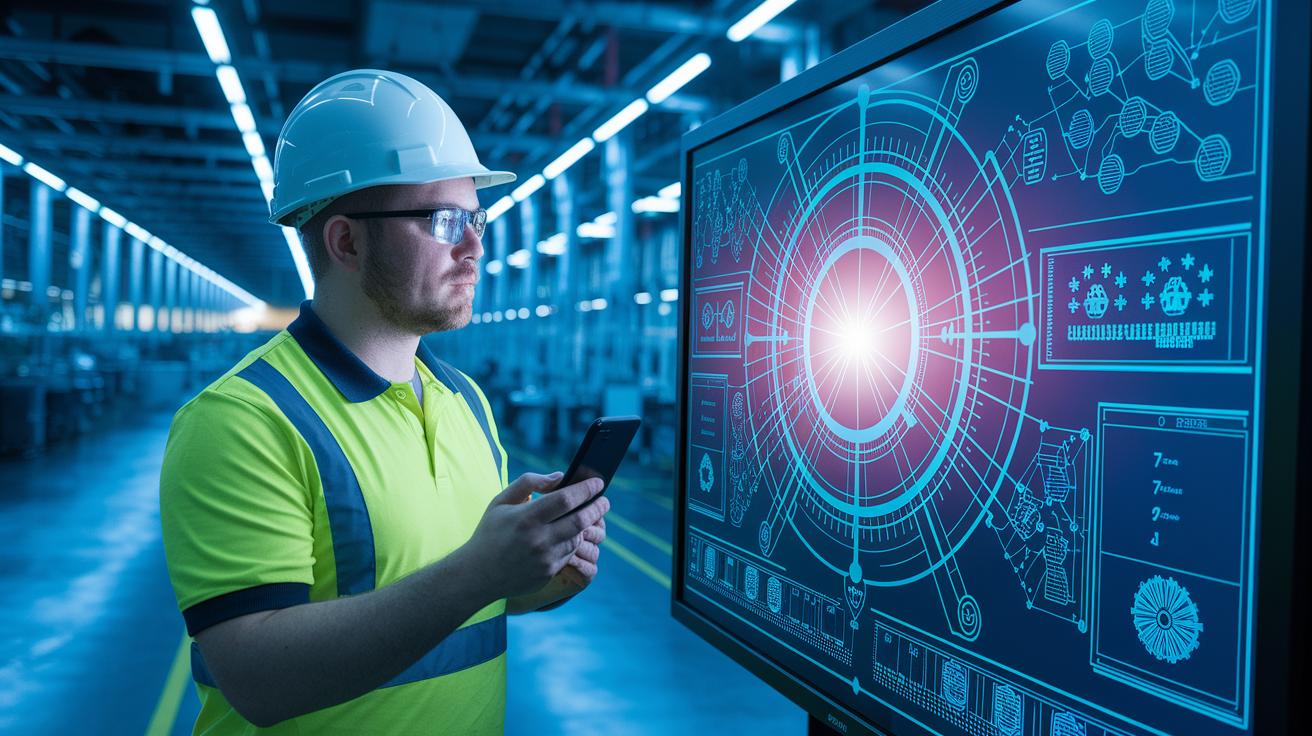
Manufacturing companies are quickly catching on to digital twin technology. They’re using it to bring fresh ideas to the factory floor. Imagine a detailed, virtual version of your production line where you can test out changes and spot problems before they slow you down. For example, Rolls-Royce’s IntelligentEngine watches over more than a dozen engine parameters in real time, sending alerts that cut downtime and keep things running smoothly.
Siemens is also on board, weaving digital twin solutions into its smart factory projects. This tech gives them a complete view of the supply chain, making it easier to fix issues fast and keep maintenance on track. By tweaking digital models of production lines in a virtual setting, they can experiment with changes to boost product quality and workflow without the guesswork.
Other manufacturers are doing the same. These digital replicas let them try out updates and fine-tune operations without stopping actual production. They rely on real-time sensor data and inputs from the shop floor to plan resources and predict maintenance needs. This smart modeling equips decision-makers with clear insights that speed up product development and increase efficiency in competitive markets.
In the end, using these digital simulation methods not only smooths out daily processes but also offers a roadmap for long-term strategy. It transforms traditional production lines into dynamic, data-rich spaces that easily adapt to market needs.
Healthcare & Life Sciences Use Cases with Digital Twin Technology
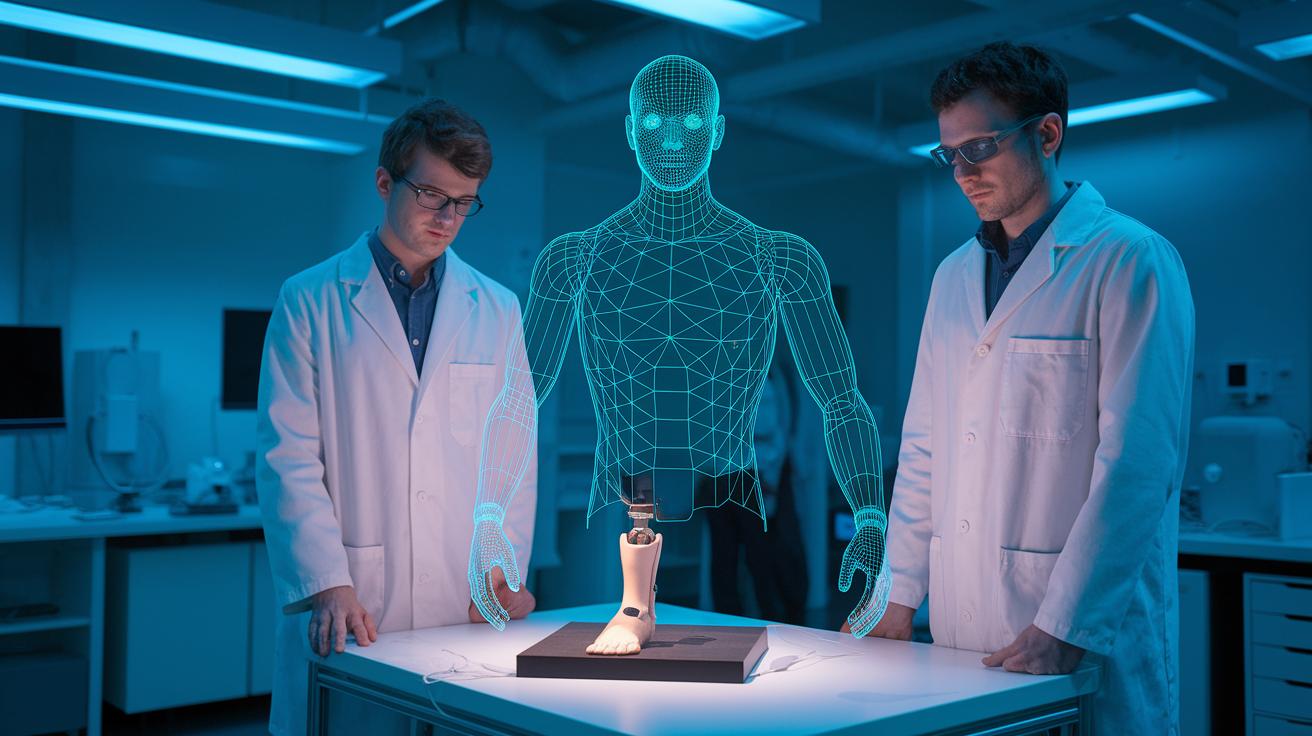
Digital twins are really shaking things up in healthcare. They help doctors and researchers get clear, data-driven insights into patient care. Össur, for example, uses these digital replicas to simulate real patient scenarios. Imagine having a virtual copy of a limb that lets you try on different prosthetic designs before settling on the right one. Before someone gets a custom prosthetic, they can explore several designs in a virtual space to see which fits best. Amazing, right?
Pfizer is also jumping on board. They use digital twins to create virtual models that mimic how treatments work on a molecular level. This smart approach helps in cancer research by highlighting the compounds that work best, all while cutting down risks and speeding up the discovery of effective therapies.
Digital twin technology is transforming clinical trials too. Researchers can run different treatment scenarios in a virtual lab, adjust variables, and fine-tune therapies on the fly. This means that treatment plans can be tailored to fit the unique needs of each patient. It’s like having a practice run that mirrors real-life outcomes before making any big decisions.
Digital Twin Technology in Construction & Infrastructure Projects
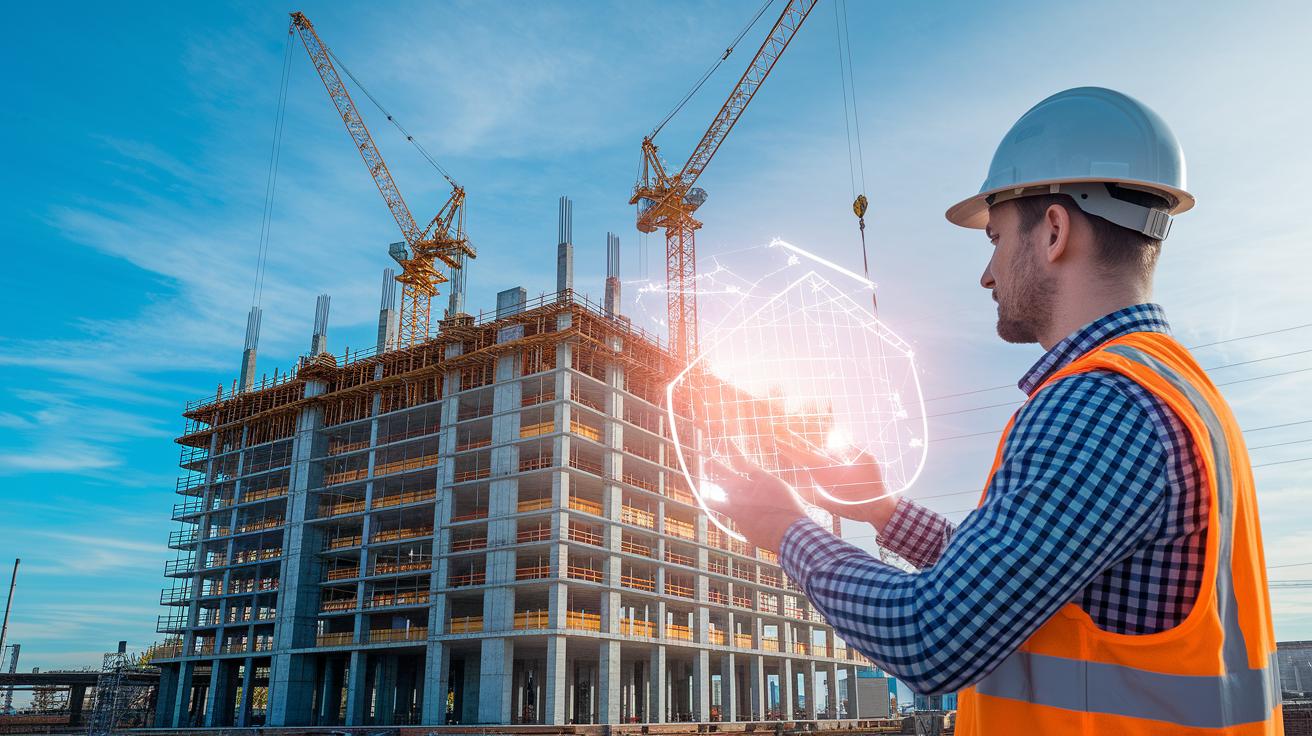
Digital twins are changing the game in construction. They act like a live digital map that lets engineers walk through every step of a project from start to finish. For example, London's Crossrail project used digital twins to see what the finished structure would look like, keep track of progress on site, and even spot risks like floods or earthquakes before they become big problems. This smart approach makes it easier to check the building's design and plan for potential issues.
Engineers now put together data from 3D laser scans, drone photos, sensor feeds, and camera views to get a clear, real-time picture of their work sites. Imagine looking at a digital blueprint that updates instantly, almost like watching your building come together in real time. It’s like having a magical window into your project.
Tools such as Trimble Connect, Quadri, Agile Assets, and Tekla help create these detailed digital maps, while smart simulation models work to catch design issues early on. By mixing these technologies, project teams can handle surprises, boost their workflow, and improve safety. In truth, this approach not only mirrors the physical site but also powers better decisions to keep projects on track and sturdy for the long run.
Platforms, Data Integration & Tooling for Digital Twin Technology
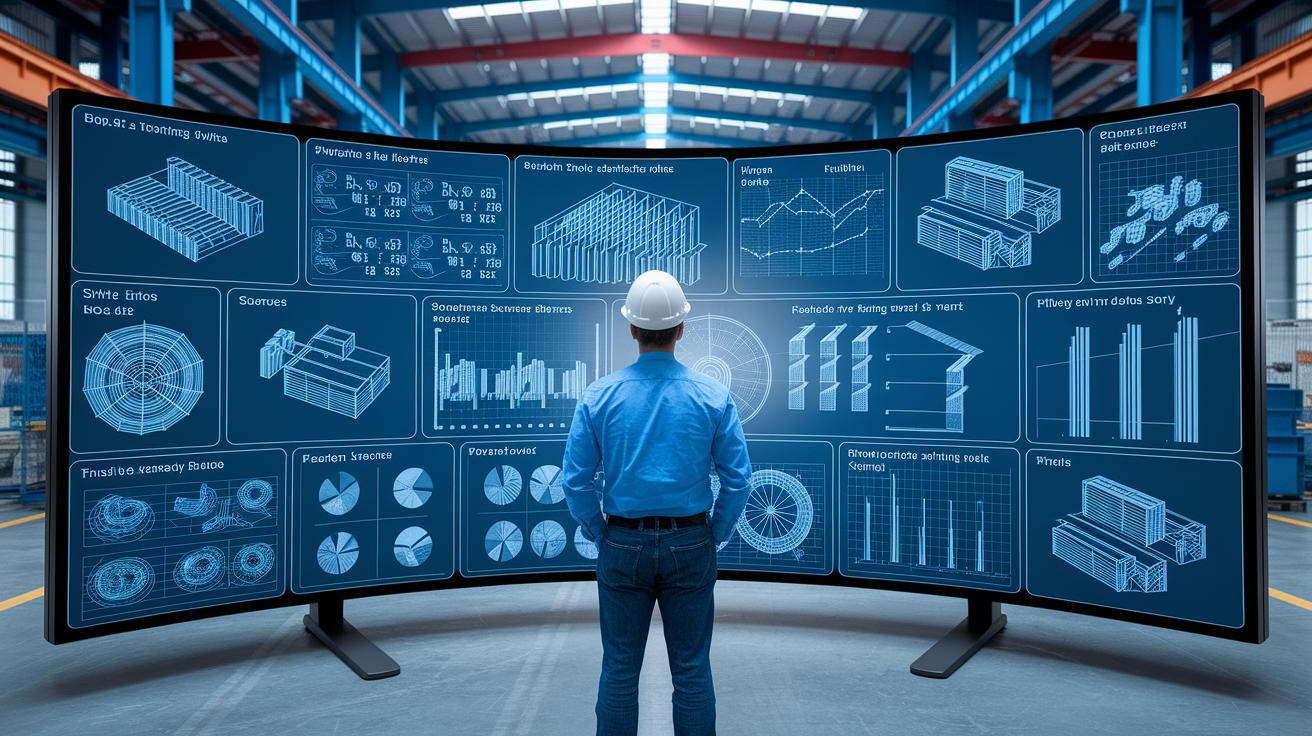
Digital twin technology is reshaping how businesses innovate. It all begins with sturdy software platforms and smart data integration systems that turn real-world sensor signals into lively simulations. Platforms like Trimble Connect, Quadri, Agile Assets, and Tekla act as central hubs, where detailed digital models come to life. These tools let companies run simulations in real time, showing how changes on the factory floor might ripple through the entire operation.
Cloud systems help power these simulations by handling growing amounts of data and complex tasks without missing a beat. For example, one factory managed 150 simulations at once on its cloud system, cutting down decision-making time dramatically. This shows just how much quicker and efficient cloud deployment can be.
Edge computing plays its part too. By capturing data from IoT devices and virtual models, it delivers updates almost instantly. This means adjustments based on new conditions happen right away, keeping the digital model in sync with reality.
Key integration points include:
| Integration Point | Description |
|---|---|
| Digital Model Simulation | Creates detailed virtual copies to test various scenarios. |
| Cloud Systems | Provides scalable and reliable environments for data and simulations. |
| IoT & Edge Computing | Ensures real-time updates by capturing live data from connected devices. |
Together, these tools build a strong foundation that not only modernizes operations but also offers insights to boost efficiency and guide smart decisions.
Benefits & Challenges of Implementing Digital Twin Technology
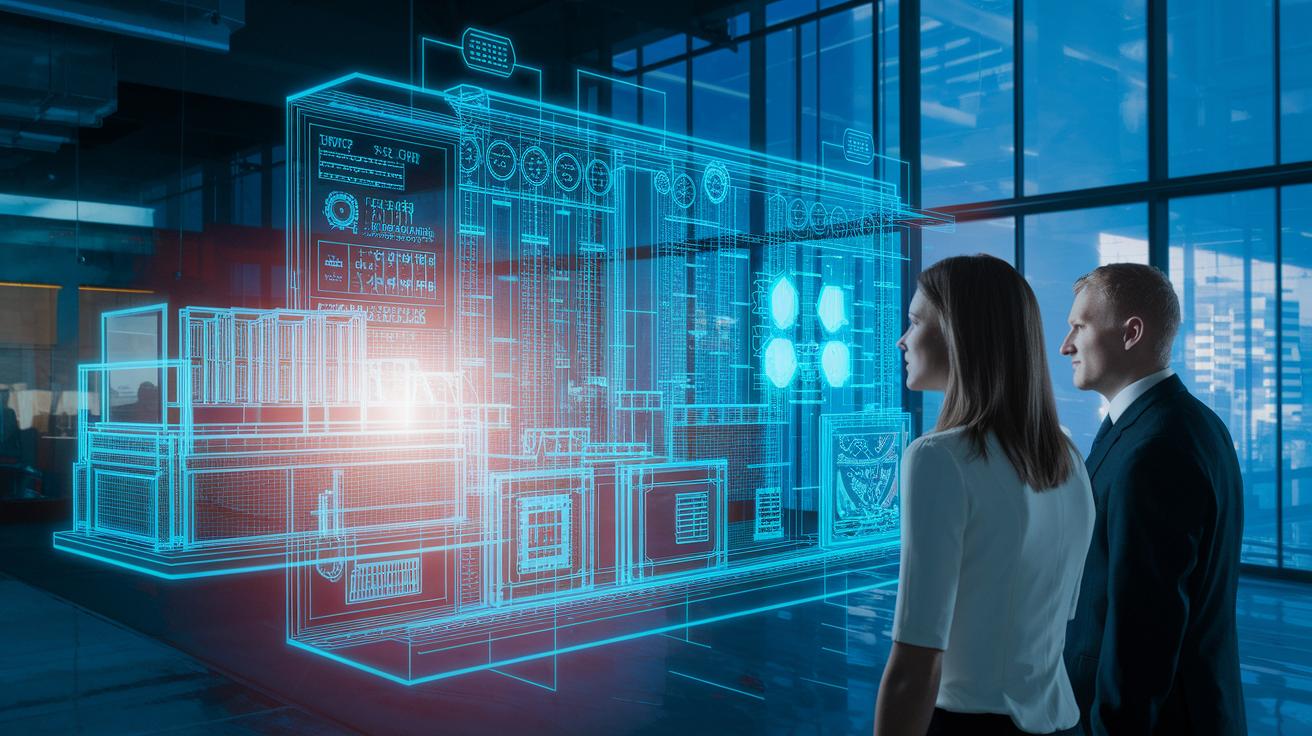
Digital twin technology brings clear, hands-on benefits by helping companies make smarter decisions and cut downtime. It creates a virtual copy of your real systems so that operations can be fine-tuned through predictive maintenance. Imagine your sensor giving you a quick alert, just a little nudge pointing out that a small glitch might turn into a big problem later. It’s almost like having a backup system that warns you before things go off track.
By pulling live data into one simple view, organizations can smooth out workflows and quickly shift resources where needed. This setup often means fewer unexpected shutdowns and a boost in overall productivity. Picture routine sensor checks that deliver timely insights, this is predictive maintenance at its best, keeping everything on schedule and running smoothly.
Still, there are hurdles to overcome. Digital twin systems sometimes struggle when data is scattered across platforms like ERP, CMMS, and SCADA. And when the input data isn’t top quality, the whole system suffers. As the saying goes, if you put in garbage, you get garbage. The promise of a market worth billions by 2026 hinges on breaking down these data silos and keeping digital records accurate across all platforms.
Best Practices & Future Trends in Digital Twin Technology
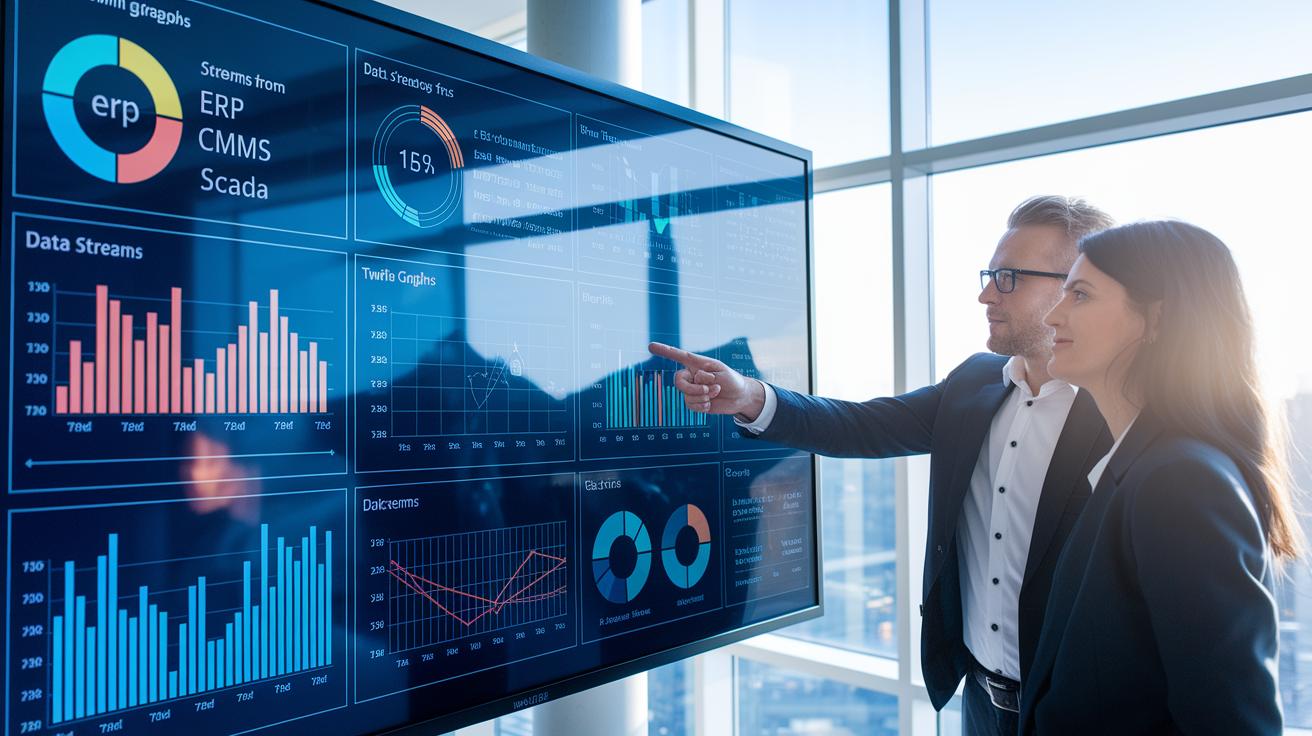
Getting started with digital twins means setting up a clear structure for both your main data and the extra details. By blending key business records with connection maps, you break down silos that can trap information. Pulling together data from systems like ERP, CMMS, and SCADA creates one clear view of operations, making sure your digital twin truly reflects real-world conditions. A good idea is to establish common rules for managing data and to involve both IT and operations teams from the start. Picture it like this: a shared dashboard that brings together everything from machine metrics to supplier updates on one screen.
New digital twin solutions are stepping up with smart AI-powered simulations. These AI tools look at live sensor data to spot issues early, much like a check engine light warning you to get maintenance done in time. This turns digital twins into active partners that help guide smart decisions instead of just standing by as passive monitors.
Looking ahead, future trends include blending digital twins with AR/VR. Soon, teams will be able to step inside a digital copy of a facility to see current conditions and try out improvements, just like strolling through a space with real-time data highlighting key points. At the same time, tighter integration with IoT devices is making these virtual replicas even more precise. Enhanced sensors feed continual, detailed data into your digital twin, which powers real-time analytics to smooth out daily operations.
Bringing all this together, centralized data, AI-driven insights, and immersive AR/VR experiences, creates a path toward a more efficient, smart, and data-driven future. This approach not only improves day-to-day operations but also supports the broader shift towards digital transformation and smart city innovations.
Final Words
In the action, we explored how digital twin technology creates virtual replicas to test and optimize real-world systems. We touched on its core concepts, smart architecture, and practical uses in manufacturing, healthcare, and construction. Each part offered clear insights, from sensor integration to predictive maintenance and project monitoring. Digital twin technology paves the way for smarter strategies that boost efficiency while inspiring innovative digital solutions. The future looks bright with continuous tech advances that keep pushing operational boundaries.
FAQ
What is digital twin technology?
The digital twin technology means creating a virtual copy of physical systems, processes, or products that gather real-time data. This model helps test and optimize operations without affecting the live system.
What are examples of digital twin technology?
The digital twin technology examples include virtual models in healthcare for simulating patient treatments, in manufacturing for predictive maintenance, and in construction for visualizing project progress and managing risks.
What is an example of a digital twin?
The digital twin example is seen with Rolls-Royce using virtual replicas of engine parameters to predict maintenance needs, thereby reducing downtime and enhancing operational performance.
What are the four types of digital twins?
The four types of digital twins refer to models focused on individual assets, entire products, processes, and systems, each designed to replicate different levels of operational detail using live data.
How does digital twin technology differ from simulations?
The digital twin vs simulation aspect relies on live data updates, making twins dynamic and continuously accurate, whereas simulations typically use static or pre-determined data sets that do not change in real time.
Is digital twin technology a type of AI?
The digital twin technology is not AI by itself; instead, it incorporates AI and analytics to enhance the virtual replica, using real-time sensor data to drive smarter decision-making.
How is digital twin technology used in healthcare?
The digital twin technology in healthcare is applied to simulate patient scenarios, design custom prosthetics, and run clinical trial models, thereby improving treatment planning and reducing potential risks.
How is digital twin technology applied in manufacturing?
The digital twin technology in manufacturing models production workflows, predicts maintenance needs, and optimizes process performance, thereby increasing uptime and streamlining operational efficiency.
How are digital twin courses structured?
The digital twin technology courses share core principles, covering data integration, real-time simulation, and practical modeling techniques to help learners understand and implement virtual replication systems.
How does one implement a digital twin project?
The digital twin project implementation involves gathering master data, integrating sensor feeds, and using specialized software to create a synchronized virtual model that informs decision-making and efficiency improvements.
How do you use digital twin technology effectively?
The digital twin technology is used effectively by continuously integrating live sensor data with simulation tools, monitoring performance, and making real-time adjustments to optimize operations and reduce downtime.
Is there a digital twin technology PDF available?
The digital twin technology PDF provides a detailed document covering fundamentals, case studies, and industry applications, serving as a handy reference for those seeking to understand and deploy virtual twin solutions.
How is digital twin technology utilized in civil engineering and construction?
The digital twin technology in civil engineering and construction uses BIM integration, 3D modeling, and live sensor data to track progress, model environmental conditions, and improve project management outcomes.
Signs Your AC Needs Replacement: An Alabama Homeowner’s

Tech Certifications: Ignite Your Career Potential
What Is Computer Simulation Technology: Clear Insight
About The Author
