Adas Technology Empowers Safer Driving Innovations
Ever thought about your car being a trusted friend on the road? ADAS technology works like a smart co-pilot. It gives you quick alerts and even steps in during sudden moments. It uses cameras and radar to watch the road in real time, so you feel safer and more confident. In short, ADAS helps make every second count by keeping you secure when you need it most.
Understanding How ADAS Technology Works
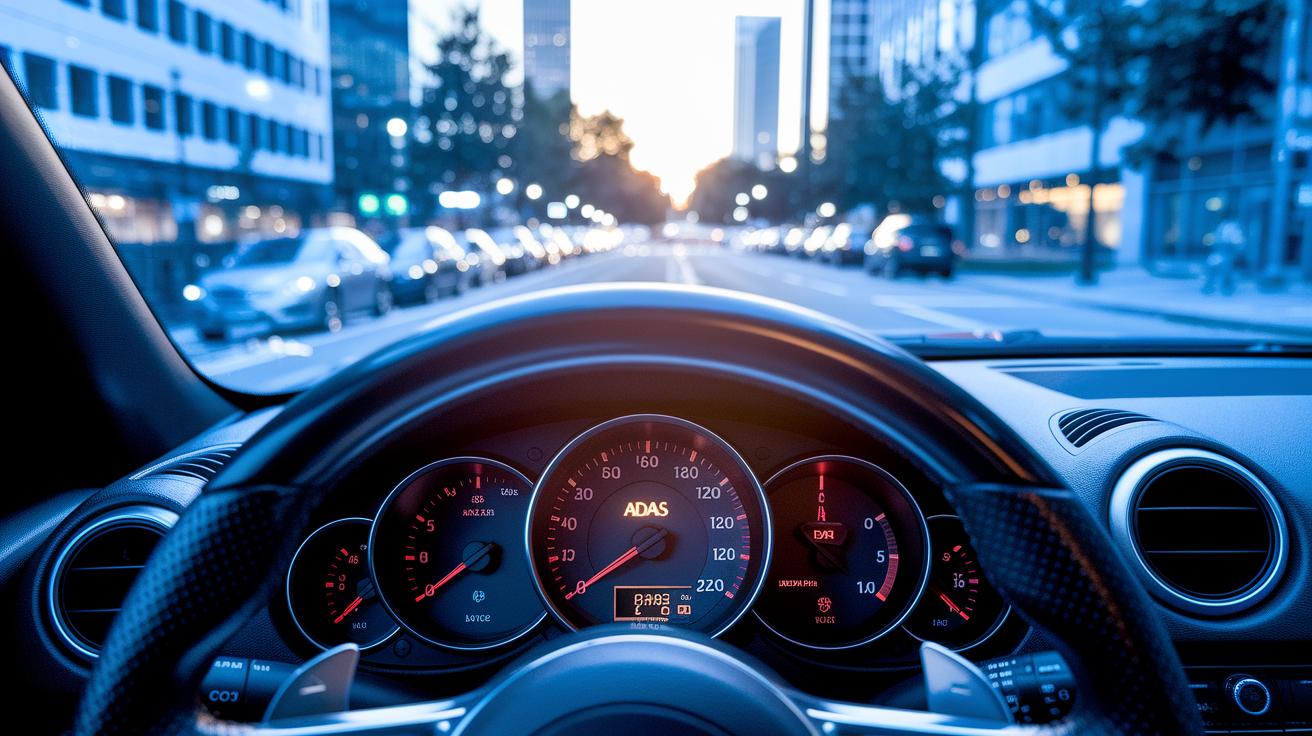
ADAS is a smart safety system built into many cars. It helps warn drivers about dangers and can even take over some driving tasks if needed. In other words, it works like a helpful co-pilot, improving safety for drivers, passengers, and even people walking nearby.
This technology gives drivers faster reaction times when it matters most and keeps the vehicle steady on regular drives. By using sensors and smart computers, ADAS gathers constant information about the road and traffic. This steady stream of data helps reduce risks and makes sure technology is there to back you up during busy moments on the road.
Here are some key features of ADAS:
- Adaptive Cruise Control: Keeps a set speed and a safe gap from the car ahead.
- Lane Keeping Assistance: Offers gentle steering feedback or a sound alert to keep you centered in your lane.
- Collision Avoidance Systems: Uses sensors to spot potential crashes and can trigger emergency brakes fast.
- Parking Assistance: Helps steer the car when you’re parking in tight spots.
- Blind Spot Detection: Watches areas you can’t easily see and lets you know if something is nearby.
All these features work together by collecting real-time data from sensors and cameras. With platforms like Mobileye’s EyeQ™, the car’s brain can quickly process this information and alert you immediately. This teamwork not only helps avoid accidents but also builds your confidence when navigating busy roads.
Key Sensors and Components in ADAS Technology
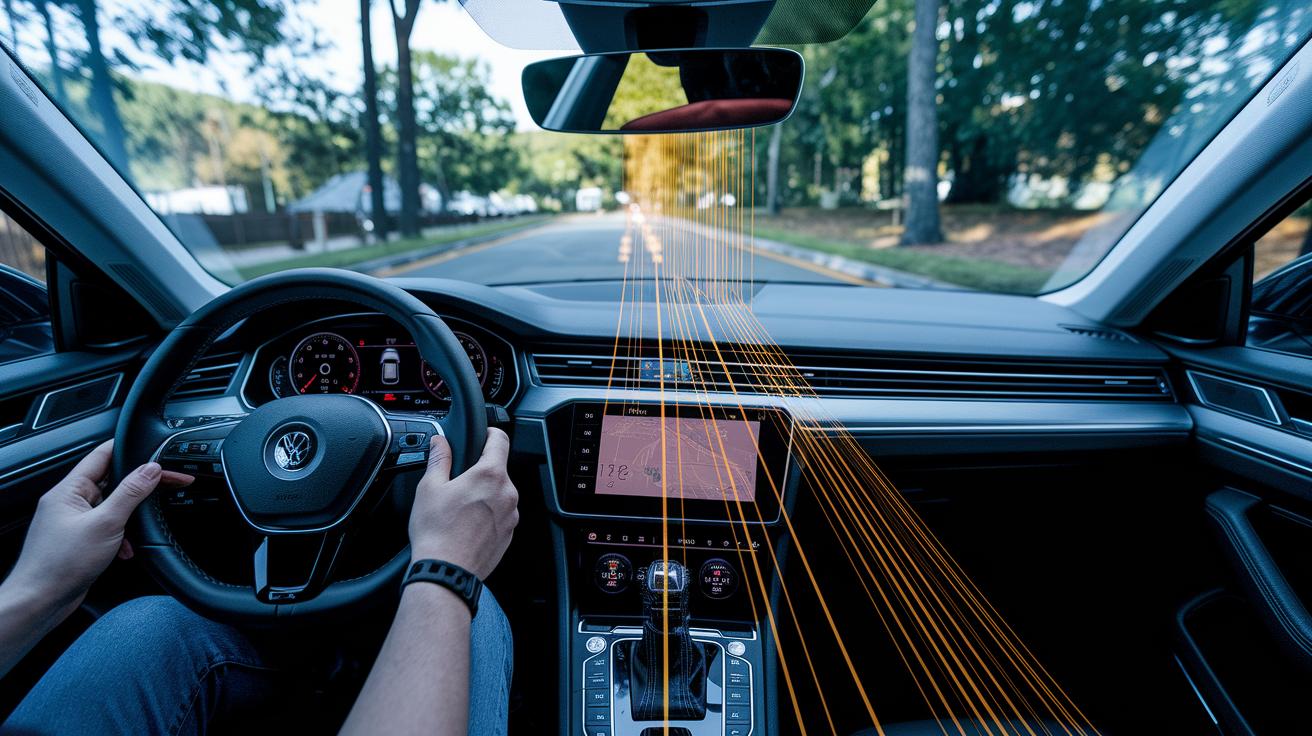
ADAS systems use a mix of sensors to create a clear, real-time snapshot of what’s happening on the road. Vision cameras snap detailed images, radar uses radio waves to gauge distances, LiDAR builds three-dimensional maps, and ultrasonic sensors pick up objects during close moves. All these sensors send their data to onboard processors, which quickly turn raw info into practical alerts.
| Sensor Type | Primary Function | Typical Range |
|---|---|---|
| Vision Camera | Takes pictures to spot objects | 10-150 meters |
| Radar Module | Checks distances using radio waves | Up to 200 meters |
| LiDAR Unit | Makes a 3D map of the area | Up to 100 meters |
| Ultrasonic Sensor | Finds nearby objects during slow moves | 2-5 meters |
Edge AI-powered processors play a big role here. They mix data from all these sensors using simple computer vision techniques along with radar, LiDAR, and ultrasonic readings. This smart fusion gives fast, clear insights that help the vehicle run smoothly and keep drivers safe. It’s like having a very alert copilot who watches over every detail, ensuring you have a full picture of what’s around you.
Common ADAS Technology Features and Applications
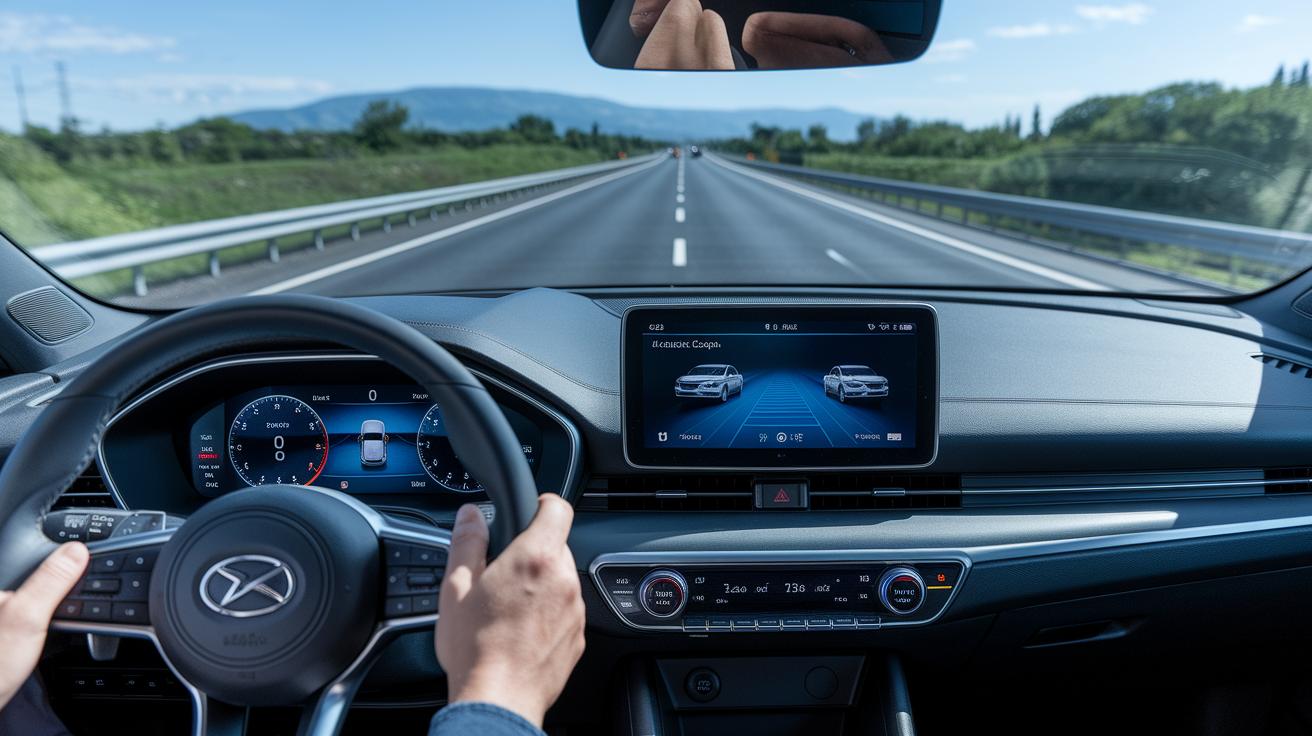
Adaptive Cruise Control Technology automatically adjusts your speed and maintains a safe gap from the car ahead. Back in 1992, Mitsubishi first introduced a hint of this idea, and by 1999, Mercedes-Benz had fine-tuned it. Imagine cruising down the highway while the system smartly manages your speed, even when traffic slows unexpectedly. It takes a bit of the stress off your shoulders, letting you focus on enjoying the ride.
Lane Keeping Assistance Systems help you stick to your lane by watching the road markings closely. Using cameras and sensors, these systems give you a light tap on the steering wheel or a gentle beep if you start to drift. It’s like having a friendly reminder to keep you centered, making long drives or moments of distraction a little less nerve-wracking.
Collision Avoidance and Emergency Braking work together to spot obstacles and hit the brakes if a crash is looming. Starting with Volvo’s City Safety in 2010, this technology quickly processes what the sensors see and reacts in a flash. Picture an unexpected piece of debris on the road, the system steps in to help you steer clear of danger, giving you a crucial moment to regain control.
Parking Assistance and Blind Spot Detection make maneuvering in tight spots and busy streets easier and safer. First appearing in the early 2000s through advances by Toyota and Volvo, these features guide your steering when parking and alert you to vehicles hidden in your blind spots. Together, they add an extra layer of security, helping you navigate those tricky parking lots and crowded roads with more confidence.
adas technology Empowers Safer Driving Innovations

ADAS technology has helped reduce accidents by guiding drivers in real time. When a car is equipped with these smart systems, drivers get quick alerts about any upcoming hazards. For example, collision avoidance and lane departure warnings send easy-to-understand cues that keep drivers alert and in control, which has led to fewer accidents overall.
Fleet managers also see big savings with these driver assistance features. In fact, using tools like adaptive cruise control can lower repair bills and decrease the time vehicles spend off the road. One study from Enterprise Fleet Management even found that pairing these safety systems with fleet electrification could save up to US$33 million. The savings come from reduced maintenance costs, lower insurance premiums, and smoother vehicle operations.
Real-time video safety tools and telematics add another layer of protection by continuously checking the system’s performance. This steady stream of feedback lets fleet managers quickly adjust settings or fix issues. It’s like having a reliable co-pilot that keeps both drivers and vehicles safer on every journey.
Industry Trends and Future Outlook for ADAS Technology
Cars today are getting smarter. Advances in driver support tech are pushing vehicles closer to full automation. ADAS systems now go beyond simple alerts and can start handling driving tasks on their own. Edge AI devices speed up data processing so that cars respond quickly no matter the driving conditions. For example, early tests showed that cars with these systems had a 20% drop in emergency braking incidents, a clear sign of rapid progress.
The industry is also shifting toward more connected vehicles. Automakers are blending active safety features with new autonomous controls, making it easier to switch between manual and automated driving. This means your car isn’t just a machine; it’s becoming a smart helper that can take care of tasks like keeping you in your lane or adjusting speed in busy traffic.
Innovations in semiconductor packaging are fueling these breakthroughs too. Technologies such as DLP® lithography allow processors to handle tougher tasks at faster speeds. At the same time, renewable-powered data centers are lending a hand with AI growth, ensuring that sensor data fuses together smoothly. This new tech lays a solid foundation for systems that are both tough and energy-conscious.
Press releases on May 28, 2025, June 30, 2025, and July 17, 2025 have marked exciting milestones. These updates are stepping stones that could soon bring everyday fully autonomous driving closer than ever before.
Calibration and Maintenance Practices for ADAS Technology

Imagine getting your car’s windshield or sensors replaced, now picture the safety systems like lane-keeping or collision warnings getting a little confused from misaligned sensors. Calibrating your car’s ADAS is crucial to keep everything working at its best. Even after a minor repair, a sensor can misfire and trigger false alerts during a crucial moment. That’s why recalibration is a must, so your vehicle always sends the right signals when you need them most.
Static calibration happens in a controlled setting, like a workshop, where technicians use target boards and alignment tools to set sensors just right while the car remains parked. Think of it as giving the system a firm, precise tune-up to match factory standards. This step is key in keeping performance steady under usual conditions.
Then there’s dynamic calibration. Here, the vehicle is actually moving, and specialized tools check everything in real-life driving conditions. In simple terms, this method catches any quirks that might slip by in a stationary setup. Mobile calibration services even come to you, making it easier for fleet operators and everyday drivers to keep their systems in top shape.
It’s a smart idea to schedule regular appointments following the vehicle maker’s guidelines, especially after any sensor work, to ensure your ADAS stays accurate and reliable, giving you peace of mind on the road.
Regulatory and Safety Standards Governing ADAS Technology
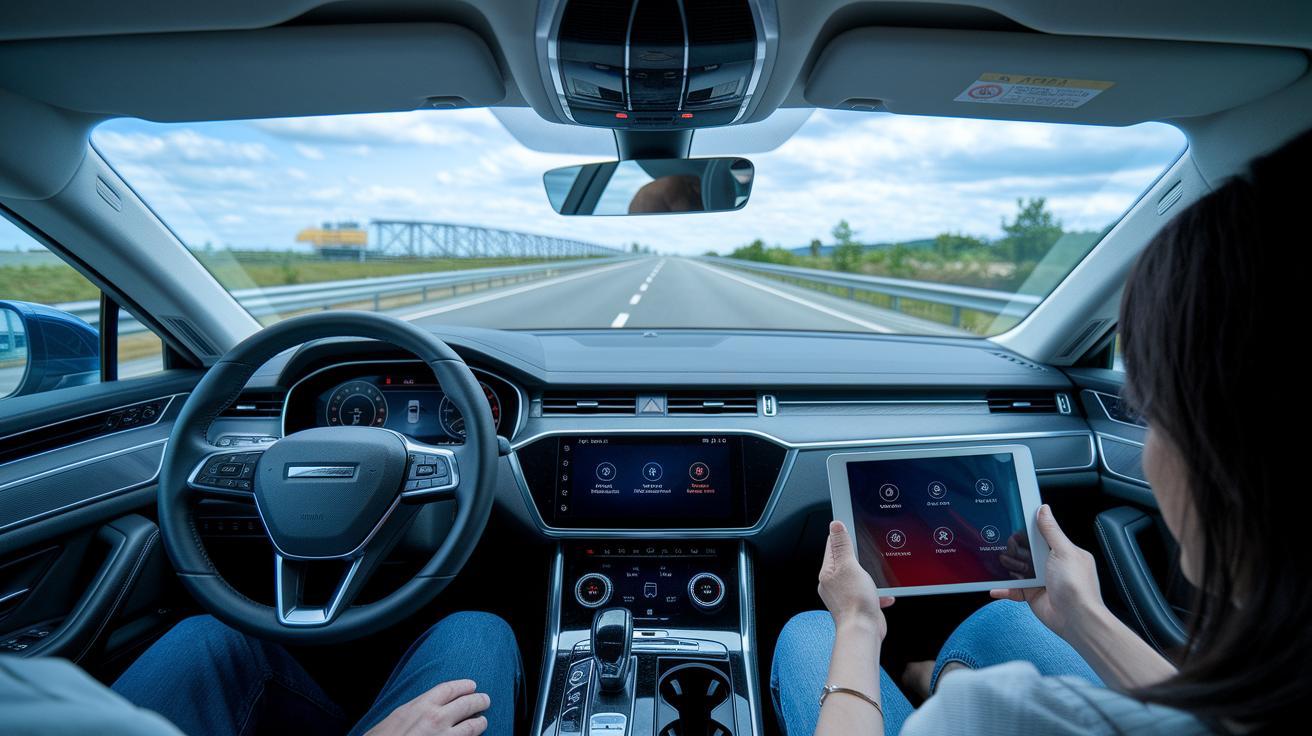
When it comes to keeping our vehicles safe, ISO 26262 is a key player. It’s a clear guide for building ADAS software that sets out practical steps for designing and testing electronic systems in cars. In simple terms, it helps engineers make sure that safety features from alerts to controls work reliably on both smooth and bumpy roads.
Since 2022, UNECE Regulation 152 has been a must, requiring Automated Lane Keeping Systems in vehicles. This rule works hand in hand with Euro NCAP protocols, which now put every advanced driving system through tough tests. Together, these standards form a global safety net that gives drivers extra peace of mind.
Over in the United States, NHTSA guidelines clearly spell out what’s needed to avoid crashes. They insist on detailed data-logging so that every system not only helps reduce collisions but also learns from each trip. These rules push automakers to continuously improve their technology, making every journey a bit safer.
Final Words
In the action, we walked through how adas technology boosts road safety by keeping drivers alert and easing driving tasks. We explored core features like adaptive cruise control, lane keeping, and collision avoidance, all backed by smart sensors and edge AI.
We also touched on maintenance, regulatory rules, and future trends. It's clear that these systems work in harmony to support safe driving. There's plenty to be excited about as innovations continue to improve everyday road experiences.
FAQ
Frequently Asked Questions
Q: What is the ADAS full form?
A: The ADAS full form is “Advanced Driver Assistance Systems.” These systems work to improve driving safety by alerting drivers to hazards or taking charge of certain driving tasks.
Q: What are ADAS features?
A: ADAS features include adaptive cruise control, lane keeping assistance, collision avoidance, parking assistance, and blind spot detection. They use sensors and processors to keep drivers informed and safe.
Q: What are ADAS levels?
A: ADAS levels refer to the stages of automation in vehicles, from basic support to partial automation. Level 2, for instance, combines steering and speed control while the driver remains alert.
Q: What is ADAS Level 2?
A: ADAS Level 2 systems automate steering and speed functions under set conditions but still need driver supervision. This setup offers added support while the driver stays in control.
Q: What are the types of ADAS?
A: The types of ADAS cover features like adaptive cruise control, lane departure warnings, forward collision avoidance, parking assistance, and blind spot detection, each designed to improve safety on the road.
Q: How does ADAS work?
A: ADAS works by using sensors and cameras to monitor the vehicle’s surroundings. Onboard computers process the data and activate alerts or controls to help manage driving tasks safely.
Q: What are ADAS technologies?
A: ADAS technologies include a range of systems that assist drivers by using cameras, sensors, and processors to observe conditions and provide timely alerts and corrective actions during driving.
Q: Which car has the highest ADAS?
A: The car with the highest ADAS features changes by model and maker. Many brands, including Mercedes-Benz and Volvo, offer systems packed with safety tools that boost overall driver support.
Q: Does my car have ADAS?
A: Your car may have ADAS if it comes with features like adaptive cruise control, lane keeping assistance, collision avoidance, or parking assist. Check your owner’s manual or with your dealer for details.
Q: What are the disadvantages of ADAS?
A: ADAS disadvantages include over-reliance on automated alerts, sensor limits in poor weather, and high repair costs. Manufacturers continue to improve system reliability with ongoing refinements.
Q: What are ADAS technology stocks?
A: ADAS technology stocks are shares of companies involved in creating or using advanced driver assistance systems. Investors often include these stocks in tech and automotive portfolios.
Q: What are ADAS technology cars?
A: ADAS technology cars are vehicles that come equipped with systems to help drivers stay safe, featuring tools for collision avoidance, adaptive cruise control, and lane keeping assistance.

Top 10 Technology Trends: Inspiring Future Tech

Uwb Technology Sparks Wireless Excellence

Tech Breakthrough Sparks Industry Excitement
About The Author
