Gold Tech Analysis Boosts Market Optimism
Ever wonder if gold analysis really boosts market optimism? Traders now see gold charts as more than just numbers; they see them as clear signals for when to buy or sell.
Imagine noticing a trend change on a weekly chart and quickly seizing that opportunity, kind of like catching a moment of calm before a storm.
This article shows how simple chart views and real-time price tracking help traders act fast. Read on to see how these insights can lead to smarter moves in a bustling market.
Gold Tech Analysis Boosts Market Optimism
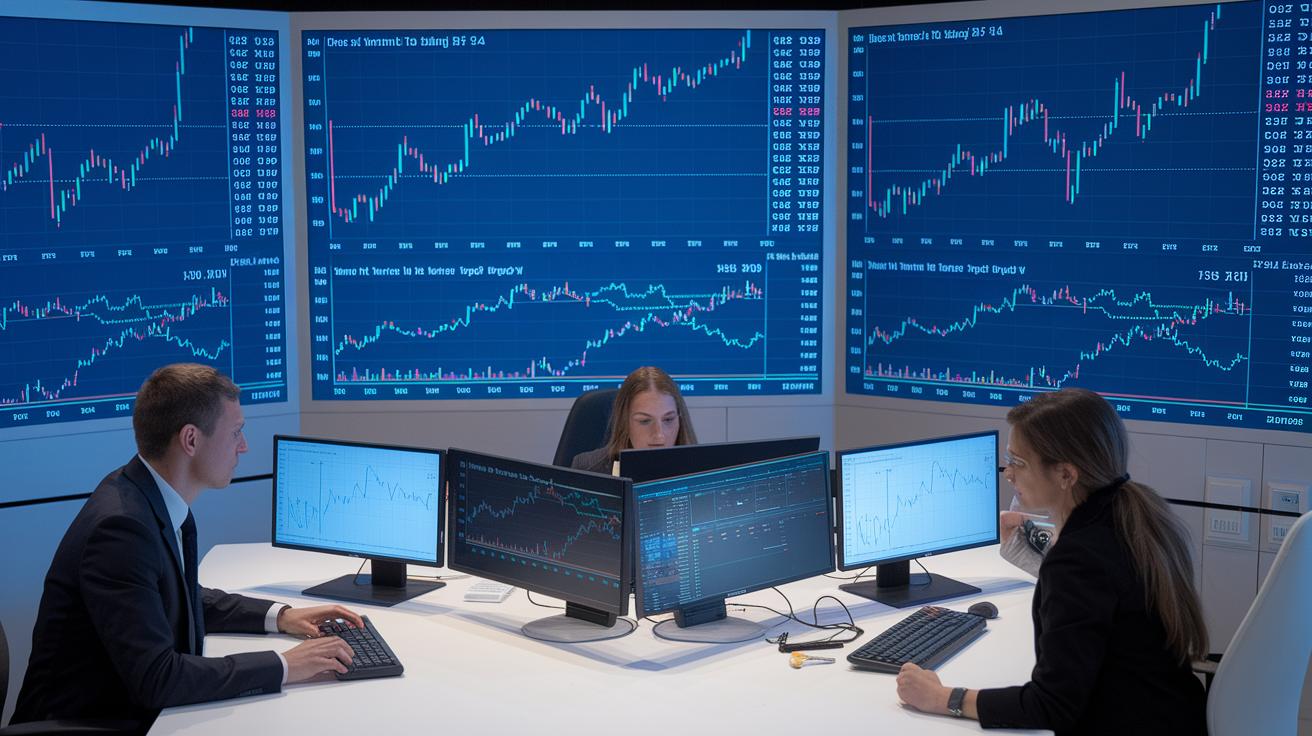
Today’s gold tech analysis gives traders a fresh look at the market with a clear, detailed chart overview. Gold, known as a safe haven traded in USD, doesn’t just move with market moods, it also shifts with changes in the US dollar. Traders use different timeframes, like Weekly, Daily, and H4 for swing moves and even H4, H1, or 15-minute charts for quick intraday plays. Imagine a swing trader spotting a trend change on a Weekly chart and saving hundreds of dollars in just one session. Cool, right?
A key part of tracking gold live is marking support and resistance levels on the Daily and Weekly charts. These zones help traders pick the perfect moments to enter or exit trades, which is super important when markets get bumpy. Plus, watching the long-term trends on the weekly charts can give clues about when a bull run might pause before charging ahead again.
Traders also rely on breaking down technical signals in metals. They use chart patterns, like the triangle apex reversal pattern made famous on April 12, 2018. This pattern often pops up when support and resistance lines meet, hinting that a reversal could be coming, kind of like feeling the calm before a storm in gold prices.
Mixing all these methods creates a simple, solid plan. With a detailed gold chart overview, live price tracking, and clues from long-term trends, traders can make smart moves. This multi-timeframe approach means they’re ready to act on every market twist right as it happens.
Historical Gold Price Review: Decade-Long Trend Analysis for Gold Tech Analysis

From 2013 until mid-2020, gold's price changes showed us a clear story about market moods. In the early years (2013-2015), gold slipped lower, moving between about $1,180 and $1,400 with each new low hinting at a downward path. Then, between 2016 and 2018, the market took a breather. Prices settled in a neat triangle formation, trading in the $1,150 to $1,365 range. Imagine setting your watch and noticing its soft tick, those small moves hinted at bigger shifts ahead.
Between 2019 and 2021, gold began to climb quickly. Breakout rallies pushed prices up to nearly $2,067, a jump fueled by global uncertainty and a weakening US Dollar. More recently, from 2022 to now, gold has moved sideways with a hint of bullish strength, finding firm support around $1,800. This phase marks a new chapter in its long-term journey.
Traders use these long-run trends as key benchmarks and to fine-tune their risk management strategies as the market changes.
| Period | Price Range | Key Pattern |
|---|---|---|
| 2013-2015 | $1,180–1,400 | Falling trend with lower highs |
| 2016-2018 | $1,150–1,365 | Triangle consolidation |
| 2019-2021 | $1,280–2,067 | Rising trend with breakouts |
| 2022–Present | $1,800–2,000 | Sideways leaning bullish |
Precious Metal Technical Study: Key Indicators and Signal Interpretation in Gold Tech Analysis

Gold analysis uses clear, everyday signals to help us understand market trends. One favorite tool is the Relative Strength Index (RSI). Running on a simple 14-day setup, the RSI measures how strong the price trend is. When it dips below 30, it could be a hint to buy, like noticing a quiet moment before a busy street fills with people. On the flip side, an RSI over 70 suggests that prices might pull back, hinting at a potential drop.
Then there’s the MACD indicator, which keeps an eye on two moving averages (using figures like 12, 26, and a 9-day signal). When the MACD line moves above the signal line, it often points to a bullish shift. If it slides below, it signals that a bearish turn might be on the way. Think of it like catching that perfect wave on a sunlit beach, timing really matters.
We also rely on the stochastic oscillator, set to 14,3,3. This tool compares recent closing prices to a broader price range over time. When the %K line rolls above the %D line, it confirms the chance for an upturn; if it crosses the other way, a short-term dip could be coming.
Finally, a moving average cross using the 50-day and 200-day averages helps confirm overall trends. When the 50-day line exceeds the 200-day line, it’s a bullish sign, almost like the sun breaking through the clouds. But if the 50-day falls below the 200-day, it’s a cautionary note.
| Indicator | Parameter | Bullish Signal | Bearish Signal |
|---|---|---|---|
| RSI | 14-period | <30 reversal | >70 pullback |
| MACD | 12,26,9 EMA | MACD line > signal | MACD line < signal |
| Stochastic | 14,3,3 | %K crosses above %D | %K crosses below %D |
| MA Cross | 50/200 SMA | 50 crosses above 200 | 50 crosses below 200 |
Algorithmic Trading Signals in Gold Tech Analysis: AI and Quantitative Models

AI and math-based models add a cool twist to gold trading analysis. They let you automate trade orders and sharpen signal precision. Regression and machine learning methods now pick entry points about 15% better than before. That extra accuracy gives traders a clear edge. These models sift through huge amounts of data from many timeframes, spotting small shifts that might otherwise go unnoticed.
Many traders use backtesting that mixes momentum oscillators with pattern-recognition tools. For example, one algorithm detected candlestick formations with about 78% accuracy on one-hour XAU/USD charts. Such a finding speeds up decision making for active traders. This clever blend of past data and real-time tweaks makes complicated patterns easier to spot.
By combining hard numbers with classic technical indicators, these algorithmic signals turn gut feelings into a clear strategy. When traders embed these insights into their systems, they can automate trade entries and exits without getting caught up in emotions. In the end, it's a powerful tool that works hand in hand with traditional methods, giving each signal a solid foundation in both detailed analysis and smart statistics for gold trading.
Short-Term Outlook: Real-Time Movement and Dynamic Price Insights in Gold Tech Analysis
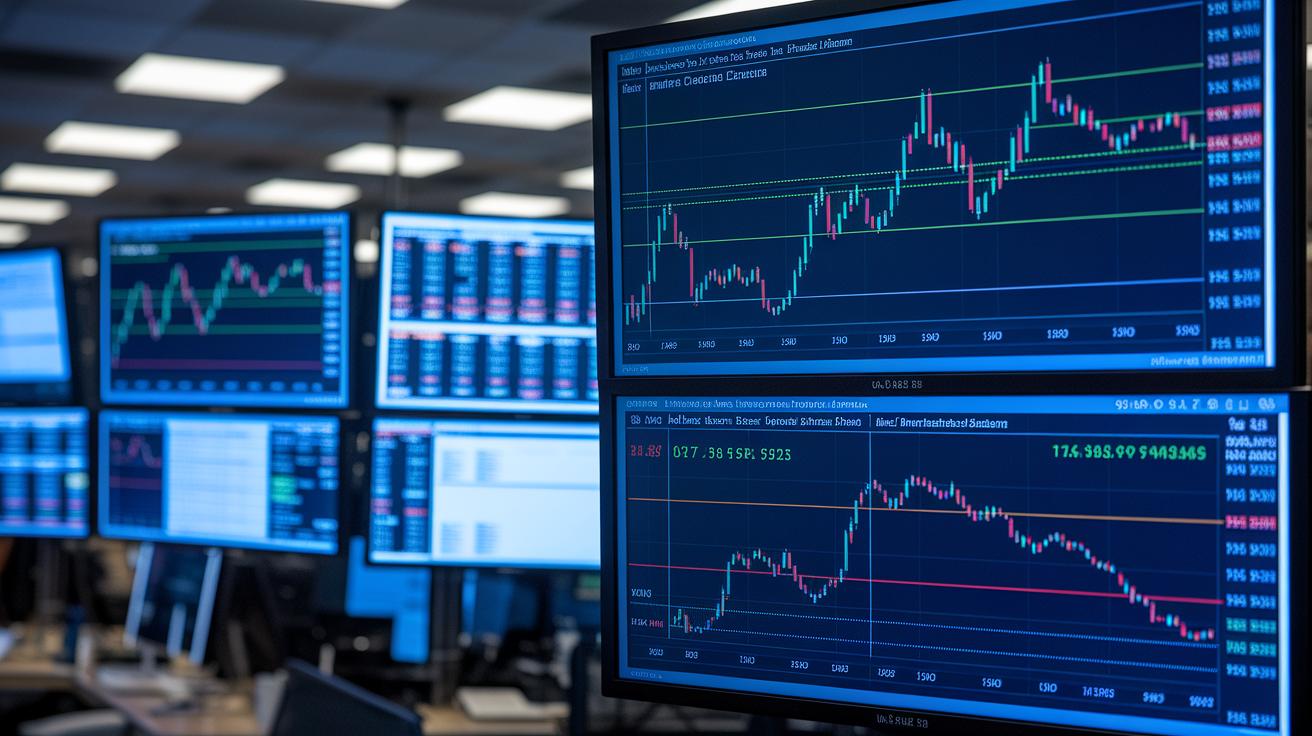
Intraday charts clearly show signals that active traders can use to catch quick moves. On both the H1 and H4 timeframes, you can see a bullish flag forming. This pattern signals a growing buying pressure that might push the price higher. Traders often watch these signs to get a head start on reversals before the price moves up even more. It gives them a chance to enter the trade with a bit of confidence.
Many traders are also keeping an eye on a pullback toward the key $1,900 support level per ounce. This level could offer a smoother entry point before the upward move picks up again. By monitoring closely, traders can set tighter stop-loss orders, which is really important during wild sessions. The Average True Range over 14 periods shows a typical movement of about $18, which helps set risk limits. Every real-time signal adds more clarity to the trading decision.
Tracking gold prices live means mixing dynamic chart reading with key measures of price swing. This hands-on style lets traders blend current data with clear technical patterns to make smart moves. When they combine these approaches, they can tweak their strategies as market conditions shift by the minute. Quick adjustments and careful checks really make a difference in capturing short-term gains.
Gold Tech Analysis Forecast Report: Market News Update and Entry/Exit Strategies

Recent news shows gold slipping by 1.2% after the latest Fed minutes, mainly because the U.S. dollar grew stronger. This shift has led traders to rethink their plans and study the charts again. Many see this moment as a cue to balance risk and reward when the market is bouncing around.
Traders are now focusing on key price levels for next week. They expect a high point near $2,050 per ounce and solid support around $1,880. A smart entry point might be around $1,900 per ounce. Picture this: you enter at $1,900, set a stop loss at $1,880, and watch your trade bounce back with the market. Aiming for about $2,020 per ounce could help manage risk while chasing gains.
This technical review zeroes in on clear entry and exit points. When traders keep their eyes on these levels and act quickly, they can manage risk confidently and stay nimble in this ever-changing market.
Final Words
In the action, our post tackled chart patterns, historical price trends, technical indicators, AI predictions, and short-term gold moves, all key aspects for smart trade decisions. We broke down core details to help you understand market shifts and spot real-time signals. Gold tech analysis remains a powerful tool to guide your strategy and keep you ahead of the curve. Stay curious and ready to act as new insights roll in. Happy trading!
FAQ
Gold technical analysis today
The gold technical analysis today focuses on reviewing live charts and key indicators that help traders gauge market trends, key support/resistance levels, and potential entry points.
Gold tech analysis chart
The gold tech analysis chart lays out price patterns and trend lines so traders can quickly spot critical levels and reversal signals, helping them make timely decisions.
Gold tech analysis free
The gold tech analysis free option provides no-cost tools and resources, offering essential chart patterns and live tracking features that help traders assess market conditions without fees.
Gold price analysis forecast
The gold price analysis forecast combines current trends, historical data, and support zones to predict future price movements, enabling traders to plan effective entry and exit strategies.
Gold technical analysis today TradingView
The gold technical analysis today on TradingView offers interactive, real-time charts that display trend shifts and key patterns, allowing traders to refine their timing for buy or sell actions.
Gold technical analysis today live
Live gold technical analysis delivers up-to-the-minute market data and chart indicators, aiding traders in quickly identifying shifts in momentum and adjusting their positions in real time.
Gold analysis today
Gold analysis today reviews current chart formations and technical signals, offering actionable insights that help traders understand market momentum and plan their trades effectively.
Gold buy or sell today
Gold buy or sell today decisions are guided by technical analysis that pinpoints trend signals and key price levels, assisting traders in determining optimal entry and exit points for risk-managed trades.

Tech Analysis Patterns Fuel Confident Market Moves

Ai System Innovation Analysis Explained: Engaging Insights

Iot Device Connectivity Analysis Review: Superior Insight
About The Author
