Cybersecurity Threat Risk Analysis In Tech: Smart Tactics
Have you ever paused and wondered if your tech is really secure? With online threats lurking everywhere, it's easy for teams to miss clear signs of risk. This guide walks you through a simple, step-by-step plan to spot weak areas and quickly patch them up.
We’ll show you easy ways to check everyday tools, from your computer to your router, so that you can catch problems early. With a clear and steady approach, you can create effective defenses and feel more confident about your cybersecurity. Ready to take charge of your digital safety?
Comprehensive Methodologies for Threat Risk Analysis in Tech Environments

Organizations today are up against many digital threats. A smart, step-by-step risk plan helps teams spot weak points and get ready if someone tries to break in. With everything from computers and tablets to routers and servers humming along, having simple tech checks and IT reviews is a must. This hands-on method not only finds trouble spots but also makes it easier to plan quick fixes when problems pop up.
Taking a thoughtful, clear approach helps everyone see where risks lie and how to best use resources. When each team follows a set plan, they can look closely at every possible attack point and put in place the right defenses. This clear, guided method also makes it simpler to keep an eye on network performance. Plus, using smart tools to detect intrusions naturally helps keep every risk measure clear and manageable.
- Define the limits and goals
- List out all devices and network tools
- Check for weak spots and possible threats
- Weigh the impact and chance of risks using simple cost ideas
- Rank risks and pick the best fixes with proven methods
- Add safety features and keep watch all the time
These six clear steps serve as a handy guide for tech risk checks. For instance, breaking down real cases, like recent headlines about cybersecurity breaches, helps teams see the financial hit of a bad attack. Smarter tools, like AI that automates checks in supply chains, add an extra boost. With around-the-clock threat tracking, a 24×7 security operations center, expert advisors, and cloud-based security setups, companies can stay one step ahead and protect their tech gear as new risks show up. This savvy approach lets businesses run smoothly and safely while always being ready to tackle new challenges.
Implementing Frameworks and Standards for Tech Threat Risk Analysis

Frameworks give you a clear way to spot and cut down on cybersecurity risks. They break complicated problems into simple steps. Standards like NIST CSF and ISO/IEC 27001 help teams set up strong security rules and internal processes. Tools such as FAIR let you put numbers on risks, while MITRE ATT&CK shows common hacker moves. Meanwhile, COBIT acts as a handy guide for managing IT controls. In short, these benchmarks provide a solid point of reference for organizations that want to assess risks in a steady and repeatable way.
| Framework | Focus Area | Key Components |
|---|---|---|
| NIST CSF | Core functions and categories | Identify, Protect, Detect, Respond, Recover |
| ISO/IEC 27001 | ISMS requirements | Risk management, Security controls, Continual improvement |
| FAIR | Financial risk quantification | Cost estimation, Impact measurement |
| MITRE ATT&CK | Adversary tactics | Tactics, Techniques, Procedures mapping |
| COBIT | Governance and control | Process assessment, Control objectives |
It’s important to adjust these frameworks to fit your specific industry needs. For example, healthcare must follow HIPAA rules to protect patient data, while financial firms stick to SEC guidelines. Government agencies and nonprofits can fine-tune compliance checks and secure coding standards to match their unique challenges. By blending in modern ideas like zero trust and strong policy designs, organizations can turn tough regulations into a chance to build smarter defenses. This tailored approach transforms regulatory hurdles into opportunities for proactive and savvy cybersecurity strategies.
Cybersecurity threat risk analysis in tech: Smart Tactics

Automated vulnerability scanning is at the heart of today’s cyber defense. These smart tools run constant checks on everything, from your work computer to network gateways, without needing a hand on deck. They scan regularly and catch weak links or missteps in the system configuration. For example, if a scanner finds a misconfigured server, it logs the error so the team can quickly fix it.
AI systems add another smart layer to the mix. They use machine learning to spot odd activity or malware and send real-time alerts through dashboards that update instantly. Imagine hearing that quiet ping on your screen, nudging you to take a closer look at a potential breach. It’s like having a vigilant friend who never sleeps.
Cloud-native solutions also play a big role in keeping IT environments safe. They mix cloud-based checks with reviews of endpoint defenses and next-gen antivirus measures. On top of that, managed SOC services and vCISO consulting work together for round-the-clock threat monitoring. This comprehensive approach helps organizations keep digital risks in check and handle them as soon as they pop up.
Quantitative Models for Measuring Cybersecurity Risks in Tech

Risk scoring models turn potential threats into clear numbers so teams can see both how likely an attack is and how much damage it might cause. It’s like a handy gauge that gives you a heads-up, imagine a scale from 1 to 10 where a misconfigured server might get a 7, telling you it needs quick attention. These numbers help everyone compare risks side by side, so the toughest problems get fixed first.
Exposure quantification looks at the full cost of a breach, from money lost to damage to the company’s reputation. It puts a dollar value on what a breach could cost, which makes it easier to decide on security spending. Teams often use simple tools like risk matrices and heat maps to see which parts of their network need the most care. Picture a heat map where bright red spots mark the most vulnerable areas, that’s your guide for where to start. This clear view helps businesses match technical risks with big picture priorities, ensuring they stay one step ahead of cyber threats.
Integrating Threat Intelligence and Real-Time Monitoring in Tech Risk Analysis

Bringing together internal logs with outside threat feeds helps teams see the whole picture of possible dangers. By collecting clues from network activities, security alerts, and threat bulletins, security teams link pieces of data that might feel separate. For example, if system logs show several unauthorized login attempts, matching these with outside reports on similar behavior provides a clearer signal, prompting an immediate review and response.
Dynamic visualization dashboards show real-time patterns and surprises in the data. These dashboards turn live data into simple graphs and heat maps that spotlight unusual spikes or network shifts. It’s like watching a live radar screen where every alert and number highlights where changes are needed. Picture a dashboard that suddenly shows a spike in access requests; this quick insight sparks timely actions before problems grow larger.
Around-the-clock monitoring makes sure threat intelligence stays useful 24/7. Managed service providers keep an eye on incident trends by comparing new information with past patterns to fine-tune defenses. With constant checks, security teams catch small changes early, stopping them from becoming big issues. Regular updates and data reviews create a proactive setup where adjustments happen on the fly, keeping systems secure even as conditions change.
Case Study: Applying Threat Risk Analysis Practices in a Tech Organization

A tech firm kicked off its risk analysis journey by counting more than 2,000 devices on its network. They recorded every computer, router, printer, server, and phone to make sure nothing slipped through the cracks.
After the complete inventory was in place, the team put automated scans and smart AI to work, checking for any weak spots. They used a simple model to assign numbers to potential impacts, which helped them see how each threat could hit their bottom line.
Then they turned on cloud-native SASE controls and set up continuous SOC monitoring to keep the network safe. They even ran simulated intrusions and did detailed investigations to spot and fix any security issues that came up.
In the end, constant feedback helped them refine their containment and remediation plans. Every lesson learned sharpened their protocols, boosting both their immediate defenses and their readiness for future challenges.
Best Practices for Sustaining Threat Risk Analysis in Tech
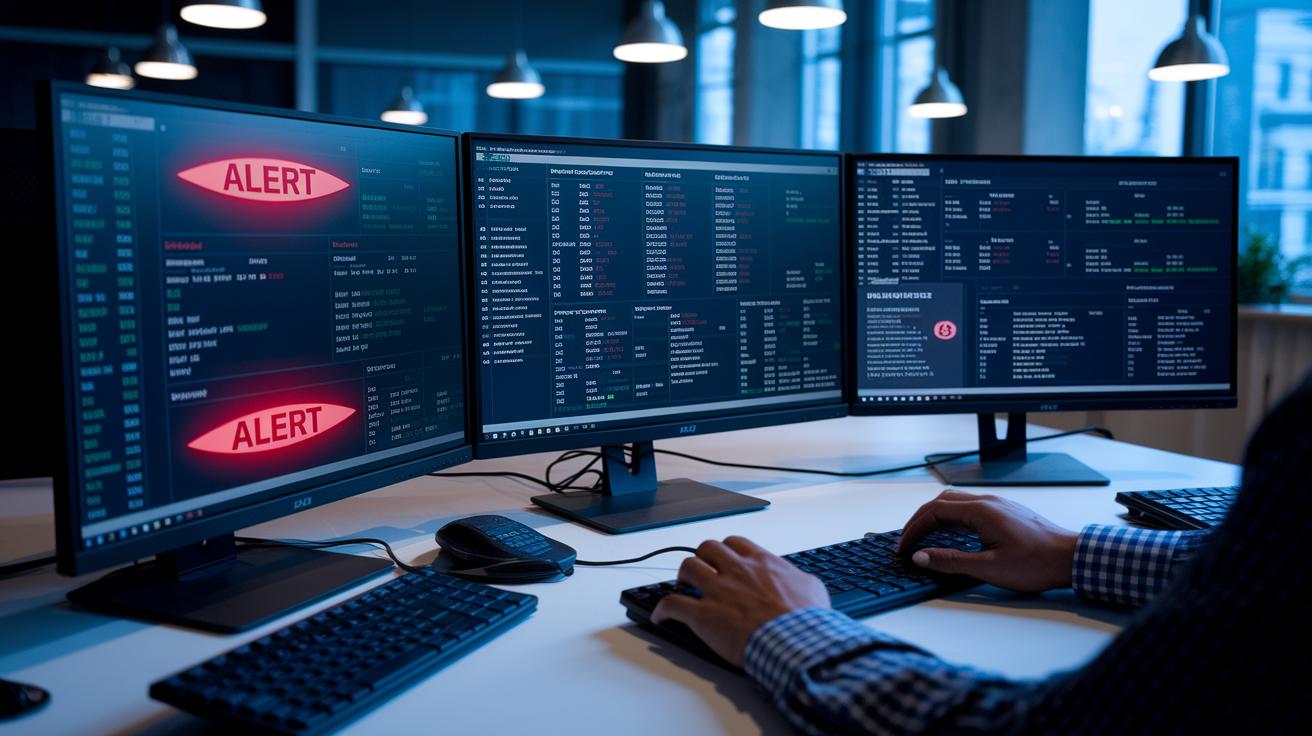
Use audit automation tools and dynamic dashboards as your go-to guides in a digital world that constantly changes. Imagine a dashboard that flashes red the moment something feels off, it’s your cue to check the logs. These tools keep an eye on every device and network event without you having to manually check every time.
Stick to firm compliance rules and secure coding practices that match your company’s comfort level with risk. Think of incident response training as a quick drill before a fierce cyber storm. This kind of practice builds accountability and ties technical work directly into your business goals.
Make regular forensic reviews and audits a part of your routine to keep your system healthy. It’s like taking your car in for a service check-up to ensure everything runs smoothly. These regular reviews give you the insights you need to keep your defenses strong and ready for whatever cyber challenges come your way.
Final Words
In the action, the article walked through a clear six-step process for assessing tech threats, from asset inventory to continuous monitoring. It tied in standardized frameworks, advanced tools, and even a real-world case study to show practical application.
We saw how a mix of automation and expert insights drives proactive IT security. By embracing cybersecurity threat risk analysis in tech, businesses are well positioned to guard their systems and move forward with confidence.
FAQ
What is a cybersecurity threat risk analysis template and where can I find one in PDF or Excel formats?
A cybersecurity threat risk analysis template offers a structured guide to evaluate vulnerabilities. It’s available in PDF and Excel formats to standardize your risk assessment process effectively.
What do risk analysis and threat analysis in cybersecurity mean?
Risk analysis in cybersecurity involves evaluating vulnerabilities, potential impacts, and the likelihood of attacks, while threat analysis focuses on examining adversary methods to detect and counter security exposures.
What are the seven types of cybersecurity threats?
The seven types of cybersecurity threats include malware, phishing, denial-of-service, man-in-the-middle, SQL injection, zero-day exploits, and insider threats—each posing distinct risks to network security.
What are the four stages of a cybersecurity risk analysis process?
The four stages of risk analysis involve identifying potential risks, assessing vulnerabilities, measuring impact and likelihood, and prioritizing remediation efforts to manage exposures effectively.
How can I perform a cybersecurity risk assessment?
Performing a cybersecurity risk assessment means using detailed templates and tools to inventory assets, scan vulnerabilities, score risks, and implement controls, often documented through PDFs or online frameworks.
What does an IT security risk assessment involve?
An IT security risk assessment evaluates potential risks such as data breaches and unauthorized access. It uses structured methods like checklists and automated tools to identify and address security gaps.
How do cybersecurity risk management plans and frameworks work?
Cybersecurity risk management plans combine structured risk assessments with frameworks like NIST to continuously protect systems. They integrate automated controls and best practices for ongoing risk mitigation.
What role does cybersecurity risk assessment certification play?
Cybersecurity risk assessment certification confirms a professional’s expertise in using standardized methods and tools to conduct risk analyses, ensuring competent handling of complex IT security challenges.
What is a cybersecurity risk assessment tool?
A cybersecurity risk assessment tool automates the process of vulnerability scanning, risk scoring, and asset tracking, allowing organizations to monitor and manage security risks in real time.

In-depth Cloud Computing Cost Analysis Report: Smart Results

Crypto Tech Analysis Sparks Powerful Performance Insights

Ai System Innovation Analysis Explained: Engaging Insights
About The Author
