Tech Analysis Patterns Fuel Confident Market Moves
Have you ever thought that chart patterns might hold the key to making smart market moves? Think of them as simple maps that guide traders along clear price paths. Each pattern can show you whether the market is steady or about to shift suddenly.
When you read these visual clues, you feel more in control of your trades, like turning on a light in a dark room. Curious how these analysis patterns can boost your confidence and help you make clearer decisions in the market?
Tech Analysis Patterns Explained: Interpreting Market Trends

Chart patterns are like handy maps for traders. They show us how prices move over time and help predict what might happen next. When you notice a series of higher lows on a chart, it’s a bit like finding clues that point to an upward trend. These patterns tell you when to jump in or back out, making them essential for smart trading.
There are three main types of patterns: continuation, reversal, and bilateral. Continuation patterns, think flags, pennants, and cup-and-handle shapes, suggest that a trend will pause briefly before carrying on. These usually form over 3 to 8 weeks, with prices clearly following a trendline. Reversal patterns, like head and shoulders or double tops and bottoms, warn that a smooth ride might suddenly hit a turn. Bilateral patterns pop up when the market seems unsure, lingering between support and resistance as if waiting to burst out. It’s kind of like that quiet, calm before a big storm.
Understanding these patterns is a big help when forecasting market moves. Noticing whether the trend is steady, about to flip, or caught in a standstill can really boost your trading confidence, almost like an artist confidently adding the final brushstrokes to a masterpiece.
Tech Analysis Patterns Classification: Continuation, Reversal, Bilateral

Chart patterns help traders decide when to hold or exit a trend by grouping price movements. They come in three types: continuation, reversal, and bilateral. Each type acts as a signal, whether it shows an ongoing trend, a market pivot, or some hesitation.
Continuation Patterns
In these patterns, a current trend takes a short break before continuing. They usually form over three to eight weeks. Traders often look for three or four touches along support or resistance lines to confirm the pattern. You might see shapes like flags, pennants, rectangles, cup-and-handle formations, or triangles (ascending or symmetrical). A trader noticed that after drawing trendlines on a six-week chart, the price bounced three times exactly along the line before shooting up. This little clue often hints at the trend getting back on track.
Reversal Patterns
These patterns hint that an ongoing trend might soon turn around. They pop up after a long move in one direction, giving traders a heads-up to rethink their strategy. Familiar shapes in this group include head and shoulders, inverse head and shoulders, double tops and bottoms, or even triple tops and bottoms. Imagine spotting a double top after a long run-up, it can be a clear sign that the trend is about to flip.
Bilateral Patterns
Bilateral patterns come into play during times of market indecision. Prices swing between support and resistance without a clear direction, which means a breakout can go either way. Traders usually wait for added clues, like a jump in trading volume, to decide how to react. Ever wondered how a price figures out its next move? In these cases, the market offers extra hints after the initial uncertainty.
Identifying Tech Analysis Patterns: A Step-by-Step Tutorial

Getting a clear view of tech analysis patterns starts with a clean chart and using the right timeframe for your trading style. Whether you’re looking at a quick 15-minute chart for fast moves or a daily chart for broader trends, that choice sets the stage for spotting what’s happening with prices. Drawing neat trendlines and marking key support and resistance levels turns raw numbers into a clear picture of potential breakouts and pullbacks. Usually, watching for three to four touches on these lines, along with volume checks and a glance at other timeframes, helps boost your confidence in the signals you see.
Step 1: Chart Setup and Timeframe Choice
Kick things off by picking a chart interval that fits your trading plan. Short intervals, like a 15-minute chart, can reveal sudden shifts perfect for quick trades, while longer intervals show the steadier trends. It’s like choosing the right lens to see all the details without any fuzz.
Step 2: Drawing Trendlines and Spotting Key Levels
Next, trace the price action by drawing lines that connect the big highs and lows. Mark out the zones where the price often stalls or bounces off; these act as checkpoints on your chart. When you see these clear markers, you’ve turned a jumble of numbers into a roadmap that highlights possible breakout or pullback points.
Step 3: Confirming Your Pattern
Finally, make sure your pattern really holds up. Look for three or four touches on your trendlines, check for surges in volume that back up the move, and review multiple timeframes to lock in your analysis. This extra step turns your chart into a reliable guide to help you make smarter trading decisions.
Top Bullish Tech Analysis Patterns for Identifying Entry Points

Finding bullish signals can be a game-changer when you’re looking to buy during a downturn. These patterns serve as guideposts that the market might soon shift upward. Spotting them early helps traders jump in confidently at the right time.
- Triple Bottom – Think of it like three soft landings at a support level. It tells you that sellers are getting tired and buyers might soon take over.
- Double Bottom – This one forms a clear "W" shape, signaling that a robust support level has been tested twice before prices bounce up.
- Inverse Head & Shoulders – A neat reversal pattern that hints the market’s swing might be turning in favor of buyers after a downtrend.
- Rounded Bottom – Picture a smooth curve that shows buying pressure slowly building again, a gentle yet steady reversal in market mood.
- Cup-and-Handle – Resembling a cup with a slight dip, this pattern points to a pause in the downtrend before the market gears up to climb again.
Volume is a key part of the story. Higher trading volumes when breaking out from these levels help confirm that the move is real.
Key Bearish Tech Analysis Patterns for Spotting Exit Signals
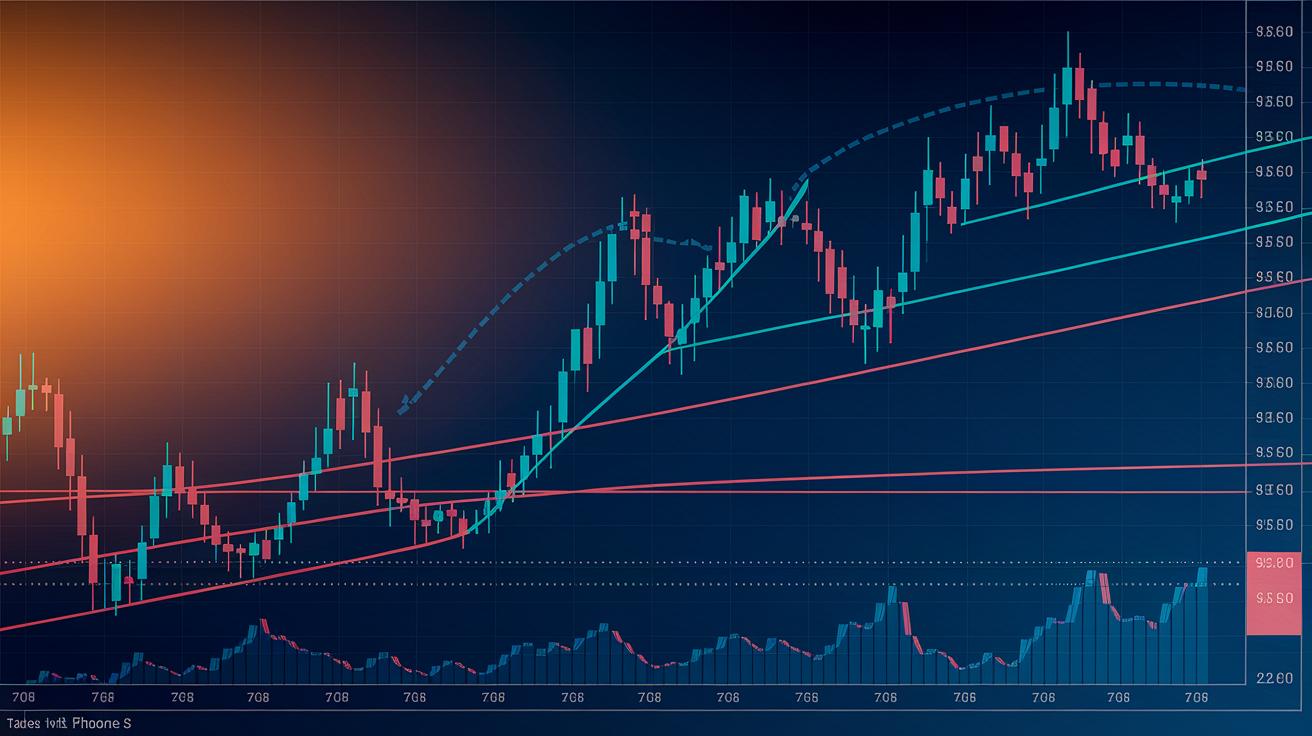
Knowing when to exit a trade can mean the difference between making a profit or taking a loss. By watching for reversal patterns, traders can clearly see risk zones in a rising market, helping them decide the right time to step away from a position.
-
Triple Top: When prices repeatedly hit a barrier three times, it’s a sign that the upward push is losing steam. Think of it as a ball that can't bounce back after hitting the ceiling for the third time.
-
Double Top: Seeing two clear peaks suggests that the rally is fading. It’s like noticing two strong warnings that the climb might be coming to an end, nudging traders to take a closer look.
-
Head & Shoulders: This pattern shows a high peak in the middle with two lower peaks on each side. It’s a clear sign that the uptrend could be turning around, much like spotting a mountain with two smaller hills on either side.
-
Rounded Top: A soft, gentle curve at the peak indicates that bullish energy is easing off. This smooth arc hints that the rally might be winding down.
-
Rising Wedge: When upward-sloping lines start to close in on each other, it means the momentum is slowing. The tightening pattern suggests that a downturn might be just around the corner.
Pair these cues with careful stop-loss strategies to manage risk effectively.
Japanese Candlestick Patterns within Tech Analysis Patterns

Candlestick charts show a trading period's open, high, low, and close in one neat picture. They help you quickly see how prices have moved during the day. Imagine a candle with a long lower tail, it tells you that prices dropped sharply before bouncing back later. This simple snapshot turns raw numbers into a vivid story of market action.
Each candlestick pattern can hint at what might happen next. Patterns like Doji or Hammer may signal that the current trend is about to lose its steam or even reverse. And then there are patterns like Bullish or Bearish Engulfing. Picture spotting a Bullish Engulfing right after a down day, it’s like a nod that buying power is picking up, hinting at an upward move.
To be sure of these signals, it’s best to check the trading volume and review several timeframes. High volume backing a pattern adds extra proof that the move isn’t just random noise. This extra step is like getting a second opinion, making patterns such as the Doji or Shooting Star more reliable. With clear signals and solid volume, you can make smarter, more confident moves in the market.
Integrating Tech Analysis Patterns into Trading Strategies

Traders are now mixing technical signals with flexible risk management to better handle unpredictable markets. Instead of just spotting familiar patterns, many are using insights from different timeframes and real-time volume signals to fine-tune their stop levels and profit targets during big market moves. It’s all about quick adjustments when price swings knock down usual support or resistance lines, and remembering that trading is as much about managing your emotions as it is about crunching numbers.
Take a bullish cup-and-handle setup, for example. First, draw trendlines along the top of the “cup” and keep an eye on volume spikes as the handle forms. Watch how the price behaves. If things get too shaky, shift your stop order on the fly instead of sticking to one fixed level. One trader shared, "I jumped in after a volume surge on the handle and moved my stop order up during a short pullback to secure my gains." This move not only confirms your entry but also helps shield your capital during sudden market shifts.
For a solid risk-to-reward balance, tweak your stops in real time and don’t let market pressure make you act on impulse. Plan your moves ahead, set clear thresholds, and keep checking your targets as the market changes.
| Tip | Example |
|---|---|
| Dynamic Stop Adjustment | Raising stops during high volatility to lock in profits |
| Pre-planned Targets | Setting profit levels based on fresh resistance after a surge |
| Emotional Discipline | Sticking to your plan even when the market gets hectic |
Risk Management and Confirmation in Tech Analysis Patterns

When you trade, think of stop-loss orders as a safety net. You place them just beyond key support or resistance lines to protect your position. So if the price bounces off a support level a few times, your stop-loss should sit just below that level. For example, if a trader sees price touch support three times, they might set their stop roughly 2% below to guard against sudden drops.
Next, back up your trading decisions with extra confirmations. Look for signals like volume spikes, trendline breaks, and other simple indicators. A big jump in volume combined with a clear trendline break can help filter out market noise and steer you away from false signals. This extra check often confirms your analysis, offering a safer point to either enter or exit the trade.
Essential Tools and Resources for Mastering Tech Analysis Patterns

When it comes to tech analysis, having the right tools really makes a difference. Simple resources can help you spot trading patterns faster and more accurately without all the hassle. Picture a custom TradingView script or Autochartist that quickly picks out key formations for you, this saves time and cuts out the manual work.
You can also count on handy PDF cheat sheets and easy indicator packs that clearly show you what to track in each time period. And if you prefer a more relaxed pace, free pattern guides break down complex charts into bite-sized steps. All these aids work together to help you get a stronger grip on your technical analysis toolkit.
- Automated scanning scripts for quick pattern detection
- PDF cheat sheets for instant reference on key formations
- Free pattern guides for step-by-step self-learning
- Indicator packs that give clear visual cues and confirmation signals
For more insights, check out our internal guide on stock tech analysis.
Final Words
In the action, we explored chart patterns, how they form, and what they signal with a clear breakdown of continuation, reversal, and bilateral setups. We walked through spotting patterns, confirming them with key touches and volume, and using bullish and bearish setups to guide trade decisions. We also looked at Japanese candlestick formations and practical strategies for integrating technical setups into a trading plan. Embracing tech analysis patterns is a smart move for anyone planning future trades and sharpening market insights. Positive results lie ahead!
FAQ
How can I get a chart patterns PDF?
The chart patterns PDF offers a clear guide to technical analysis, helping traders view key formations and trends with easy-to-read visuals and explanations.
How can I obtain a tech analysis patterns PDF free download?
The tech analysis patterns PDF free download lets traders access a no-cost guide that outlines trend signals and pattern setups for better market decision-making.
What does a technical analysis chart patterns PDF cover?
The technical analysis chart patterns PDF details different pattern types—like continuation, reversal, and bilateral—presenting clear visuals and concise explanations for effective market interpretation.
Where can I find a PDF on the most profitable trading chart patterns?
The most profitable chart patterns PDF focuses on high-yield setups and actionable insights, offering traders a practical guide to identify and apply winning strategies in the market.

Semiconductor Breakthrough Analysis Report: Bright View

In-depth Cloud Computing Cost Analysis Report: Smart Results

2. Detailed Tech Industry Market Analysis 2025: Upbeat
About The Author
